The Importance of Silver Authentication
In a market flooded with "silver" claims, verifying genuine 925 sterling silver is essential for retailers selling quality jewelry. Fake silver (plated base metal, alloys with little actual silver) causes allergic reactions, tarnishes quickly, and damages your reputation. Knowing how to authenticate silver protects your business and your customers.
Silver Hallmarks and Stamps
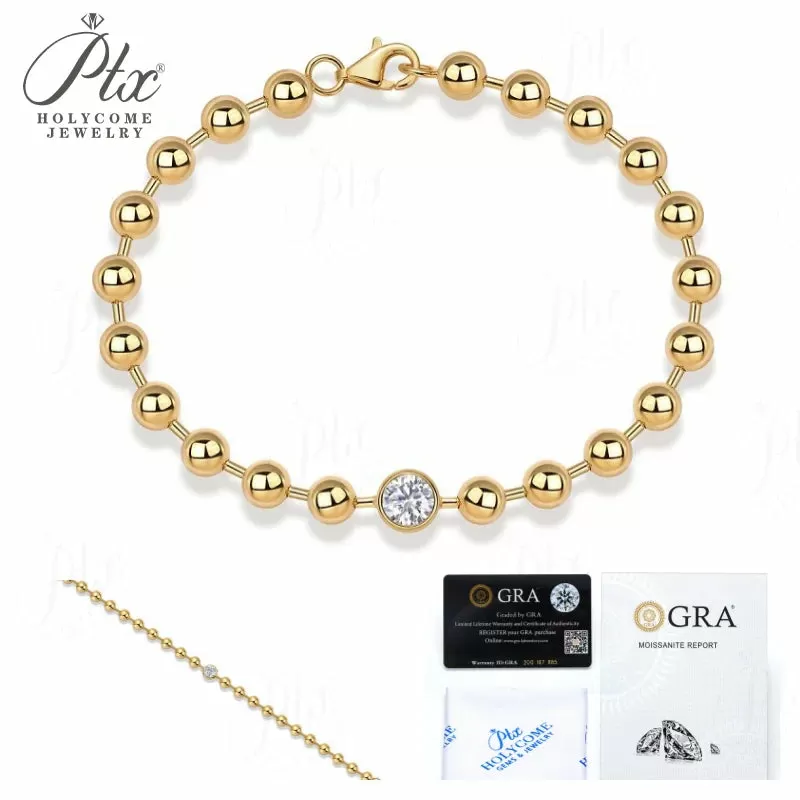
Genuine 925 silver carries stamps indicating purity: "925," "S925," "STERLING," "STER," or "925/1000." These marks are typically found on the inside of rings, on earring posts, near clasps on bracelets/necklaces, or on tags. The stamp indicates the manufacturer guarantees 92.5% silver content. Holycome stamps all pieces with 925 marks.
Common Fake Silver Marks
Beware of misleading stamps: "925" on plated items (illegal but common), "German silver" (contains NO silver — it's nickel/copper/zinc alloy), "silver tone" or "silver colored" (just color description), "EPNS" (electroplated nickel silver — base metal with silver plating), and unmarked items sold as silver. If a deal seems too good to be true, it probably isn't real silver.
Testing Silver Authenticity
Magnet test: Silver is not magnetic. If a magnet strongly attracts the piece, it's not solid silver (may be silver-plated steel). Note: some clasps have steel springs, so test the main body.
Ice test: Silver has high thermal conductivity. Place ice on the silver — it should melt quickly (faster than room temperature objects). Silver conducts heat away rapidly.
Bleach test: Apply a drop of bleach — genuine silver tarnishes immediately (turns black). Rinse immediately. This is destructive (tarnishes the piece), so use only on inconspicuous areas or test items.
Acid test: Silver testing acid (nitric acid) changes color based on purity. Professional jewelers use this. Requires proper safety equipment.
Weight check: Silver is denser than most fake metals. Compare weight to known silver pieces of similar size.
Quality Beyond the Stamp
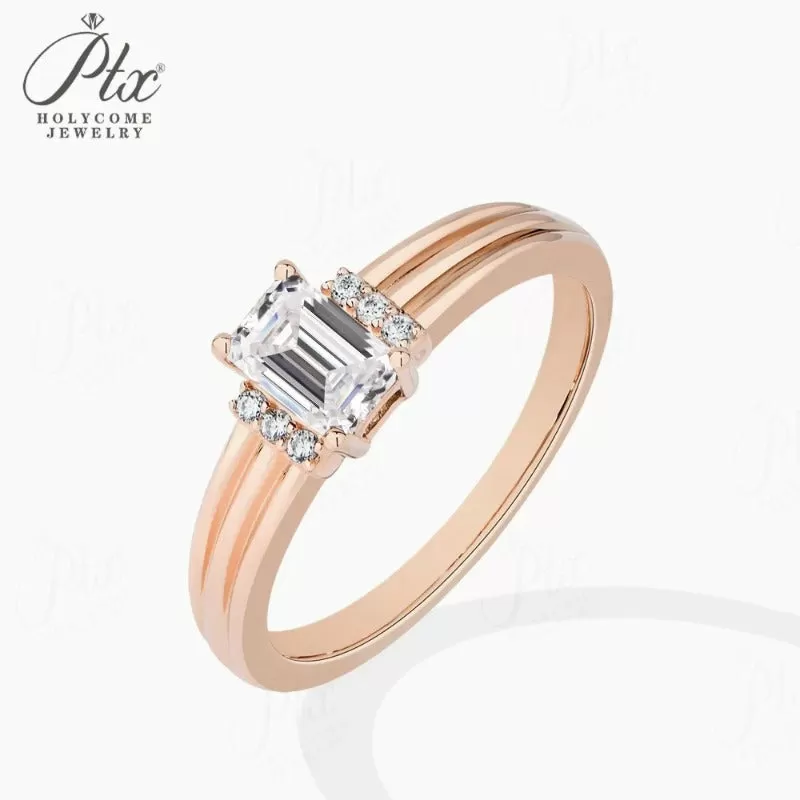
A 925 stamp alone doesn't guarantee quality. Also inspect: smooth finish (no rough casting), secure stone settings, even plating coverage, proper soldering (no gaps), smooth edges (no sharp spots), and consistent sizing. Holycome's QC team verifies both silver authenticity and craftsmanship quality on every piece.
Why Sourcing Matters
Reputable factories like Holycome guarantee solid 925 silver with proper stamping. We provide material certificates and can arrange third-party testing for volume orders. Sourcing from unverified suppliers risks receiving plated base metal sold as silver — damaging your reputation and causing customer returns.
Educating Your Customers
Teach customers to look for 925 stamps, explain what sterling silver means, and warn about "silver" costume jewelry. This builds trust and positions you as a knowledgeable retailer. Include authenticity information in product descriptions: "Guaranteed 925 sterling silver, stamped for authenticity."
Legal Requirements
In many countries, selling non-silver items stamped "925" is illegal (fraud/misrepresentation). The US FTC and EU regulators enforce precious metal marking laws. As a retailer, you're responsible for ensuring your silver jewelry is accurately represented. Sourcing from certified suppliers like Holycome protects you legally.
Shop guaranteed 925 sterling silver — authenticated, stamped, quality assured.