Custom Silver Jewelry Plating Services
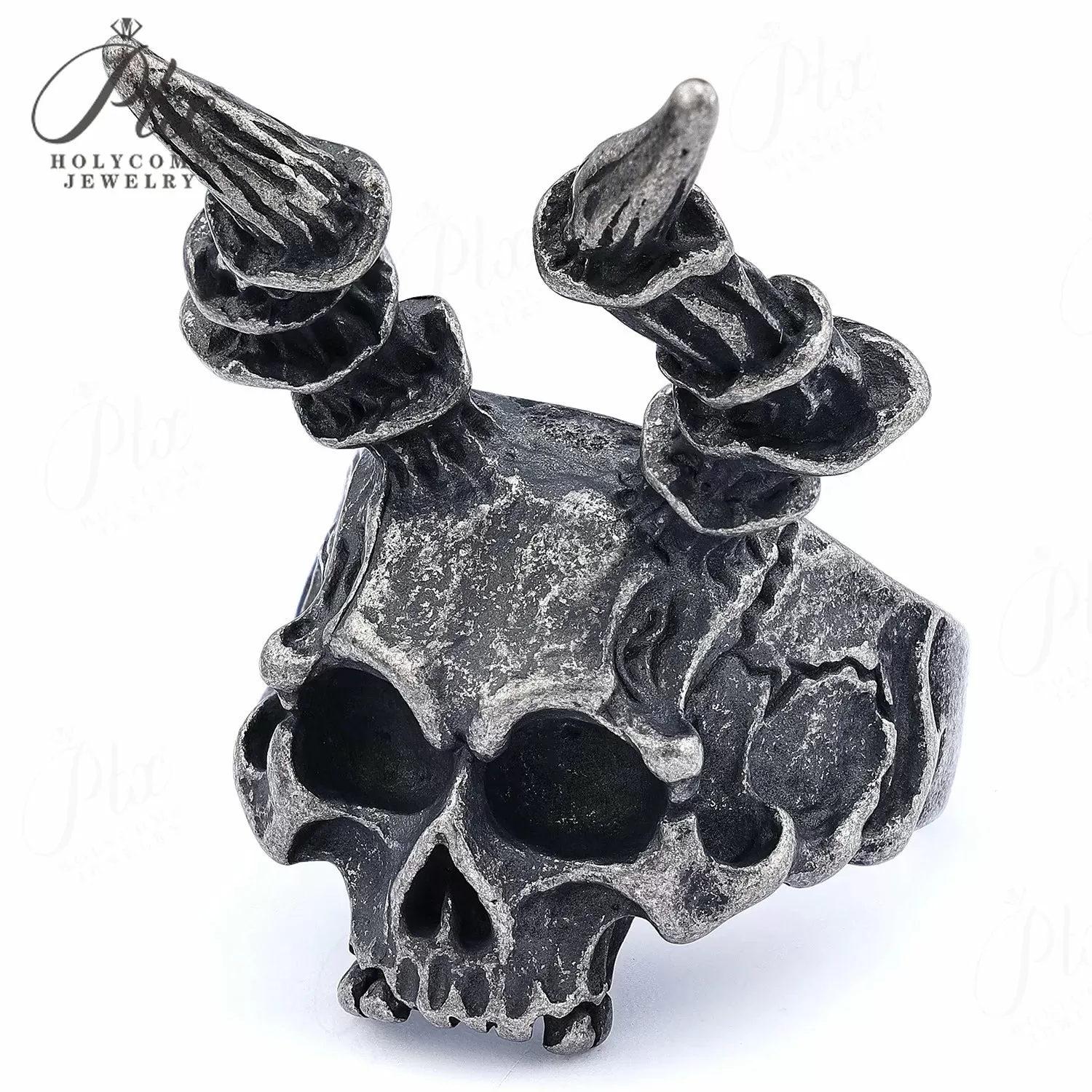
A boutique sells a 925 sterling silver ring with a "white gold finish." Six months later the customer emails a photo: the ring has gone dull and gray, and the plating line at the bottom of the band is visibly worn. The fault is not the silver; it is the plating spec. Custom silver jewelry lives or dies on the plating layer. This is the briefing sheet we give buyers who are building a plated silver line.
Rhodium plating: the default white finish
Rhodium is a platinum-group metal plated over silver to add brightness, hardness and tarnish resistance. Standard plating is 0.1 to 0.25 micron; premium is 0.5 to 1 micron. Below 0.1 micron, the tone fades in weeks. Specify micron thickness on the PO, not just "rhodium plated." For the metal standard behind the base, ISO 9202 sets the 925 fineness that the Wikipedia sterling silver reference describes.
Gold flash and 14K gold plating
Gold "flash" is a thin (0.1 to 0.3 micron) layer of gold over silver, used for fashion lines. 14K gold plating is a thicker (0.5 to 1 micron) layer that reads as solid gold under normal inspection. The FTC Jewelry Guides require that plated items be described as "gold-plated" or "gold flash," not as solid gold. The 16 CFR Part 23 text is the rule US retailers must follow; for EU sellers, REACH and nickel rules apply in parallel. Pair plating choice with the rose gold pricing note when you offer both solid and plated rose.
Rose gold, black rhodium and ruthenium
Rose gold plating uses a copper-gold alloy to produce the pink tone; it wears faster than yellow gold plating because copper oxidizes. Black rhodium and ruthenium plating produce a dark gunmetal finish popular in men's and contemporary lines. Each finish runs on a separate plating line, which is why factories impose per-finish MOQs (typically 30 to 50 pieces per finish). Plan your finish blocks before you quote. For earring buyers, the same finish logic applies in our stud bulk order guide.
Prep and underplate: the hidden step
Plating fails when prep fails. A silver piece needs ultrasonic cleaning, activation, and usually a nickel or copper underplate before the top coat. The EU bans nickel release in prolonged skin contact, so modern factories use a palladium or copper underplate for EU-bound goods. Ask explicitly: "Is the underplate nickel-free for REACH?" The REACH nickel restriction on EUR-Lex is the reference.
Briefing a plating line: the spec sheet
A workable plating spec sheet lists: base metal (925 sterling), underplate material (palladium or copper, nickel-free), top coat (rhodium / 14K yellow / rose / black rhodium), thickness in microns, and polishing grade (matte, satin, high polish). Send this sheet with the PO, not after the sample comes back. If you are pairing plating with a pendant bail choice, align finish with the bail options note so the bail is plated in the same finish as the setting.
Re-plating service and after-sales
Even a good plating layer wears in 12 to 24 months on skin-contact rings. Smart retailers offer a low-cost re-plating service (US$8 to US$15) for customers who return the piece, which turns a worn item into a repeat touchpoint. From a wholesale side, ask your factory whether they support a bulk re-plating service: you send back worn stock and they re-plate at a fraction of the new-piece cost. This is particularly useful for rhodium lines, where the silver under-tone shows through fastest. Build this option into your warranty promise before the customer asks.
Quality check before shipment
Ask the factory for two checks on plated batches: a thickness measurement on a test coupon per plating run, and a visual 10x inspection for bare spots on high-friction areas (band interior, post, clasp). Bare spots usually show up in the first 10 percent of a run after a line change, so early inspection catches the bad batch before it ships. A 1 percent rejection rate is normal; above 3 percent, reject the run.
How thick should rhodium plating be?
Minimum 0.25 micron for retail silver; 0.5 to 1 micron for premium lines. Below 0.1 micron the finish fades within weeks.
Is nickel underplate allowed in the EU?
Nickel release above 0.5 micrograms per square centimeter per week is banned for skin-contact items. Specify nickel-free underplate (palladium or copper) for EU orders.
Can I plate a custom design in small quantity?
Plating line changeover has a fixed cost, so factories typically require 30 to 50 pieces per finish. Consolidate designs into one finish block to hit the minimum.
How do I label plated silver correctly?
Describe it as "925 sterling silver with rhodium plating" (or gold/rose plating). Do not label it as solid gold or solid platinum; that violates FTC and equivalent labeling rules.
Building a custom plated silver line? Send us your finish list and target markets, and we will quote a plating spec sheet with nickel-free underplate, micron thickness and compliant labeling for each SKU.
Frequently Asked Questions
How do I prevent sterling silver from tarnishing in storage?
Use anti-tarnish bags with a sulfur absorber, keep humidity under 60% and avoid paper wrapping. Rhodium plating adds a further barrier on high-turn SKUs.
Is rhodium plating worth the added cost?
Yes for display and gift lines. It resists tarnish for 12–18 months and keeps shelf pieces bright, which reduces markdowns.
What purity do you supply?
925 sterling silver, stamped and hallmarked. Fine silver (.999) is available for beads and bullion-style pieces.
What is the MOQ and lead time?
50 pieces per design, samples 3–5 days, bulk 15–20 days.