Custom Silver Jewelry Polishing Standards
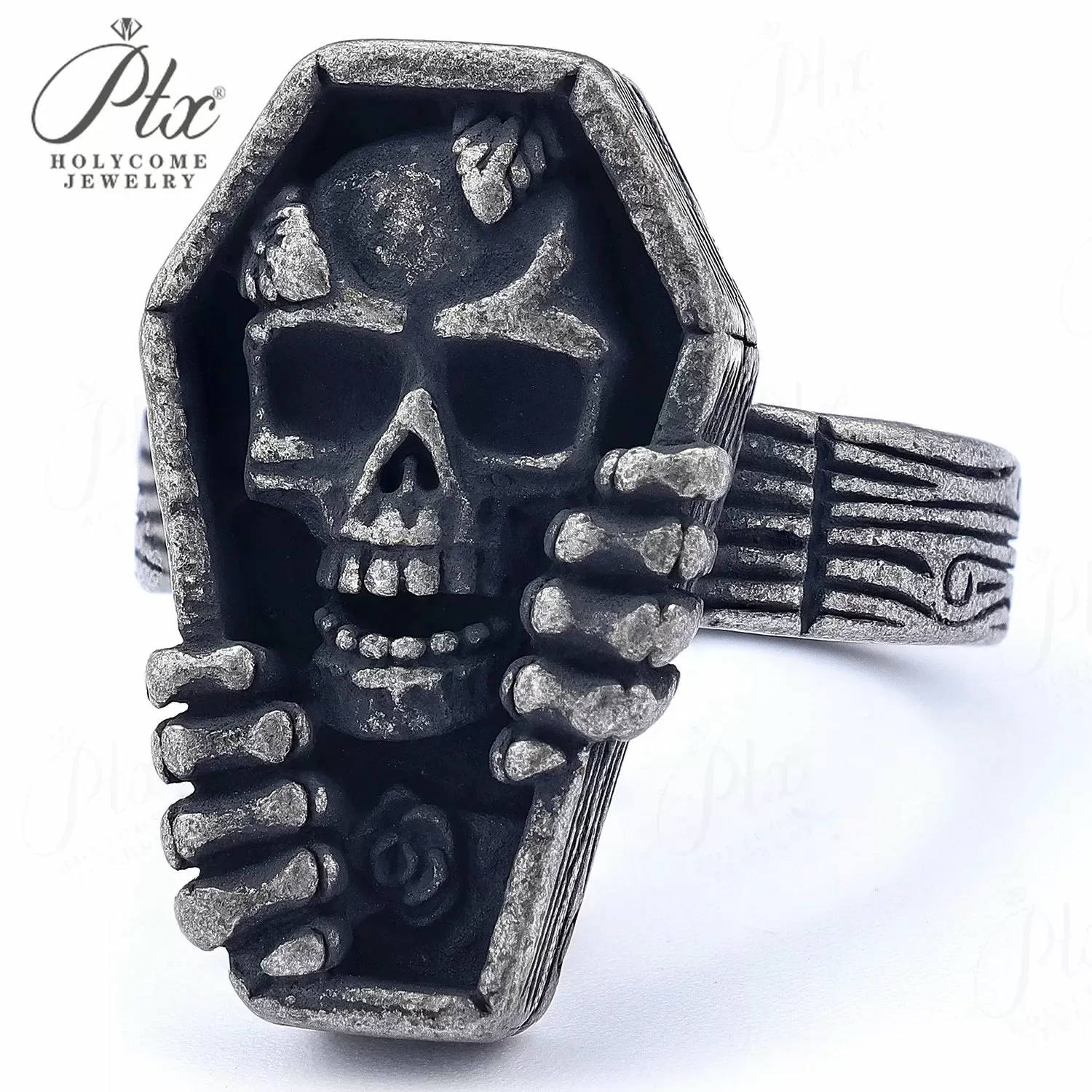
A buyer sends a CAD render to a Wuzhou factory and approves a quote for a custom sterling silver ring. The sample arrives and the ring looks fine in the photo. In hand, the inside of the band has a faint sanding line, the edges are slightly rounded, and the rhodium sits on a surface that catches light unevenly. The factory delivered the design. The buyer got a different finish than the render promised. Custom silver polishing is not automatic. It is a spec, and it is the spec most buyers forget to write.
The three finish levels
Custom 925 silver production runs at three finish levels. Level one is tumbled: the piece is tumbled in steel shot for 2 to 4 hours, edges soften, surface is matte-bright. This is the entry-level finish, fine for bulk charms and simple bands. Level two is buffed: the piece goes through cotton wheels with green compound, producing a semi-bright surface. Most boutique retail sits here. Level three is mirror: hand-buffed on a muslin wheel to a reflection-grade surface. This is the bridal and high-jewelry finish. Each level adds 1.50 to 4.00 USD to unit cost. Sterling silver metallurgy is on Wikipedia.
What to spec in writing
A PO line that says polished is not enough. Spec the finish level (tumbled, buffed or mirror), the inside finish (matte, satin or mirror), and the edge radius (sharp, 0.2 mm or 0.4 mm). Custom logo and engraving MOQs are detailed in our custom logo MOQ guide, and inside-stamp norms are in our inside-stamping note. Logo engraving options are covered in our logo engraving MOQ guide.
Why plating sits on top of polish
Rhodium plating does not hide a bad polish; it amplifies it. A buffed piece plated well looks bright. A piece with sanding lines plated looks like the lines got brighter. The factory should plate only after a final hand-buff. Ask for a pre-plating photo on samples. Nickel-release compliance under REACH matters when plating uses a nickel undercoat; ECHA guidance is at echa.europa.eu. EU-compliant nickel-free silver options are detailed in our nickel-free silver guide.
Inspection on arrival
On a 10-piece sample run, reject any piece where you can see a sanding line under a 10x loupe, where the inside of the band feels gritty, or where rhodium color is not uniform. Expect to reject 10 to 15 percent of a first sample run. That rejection rate drops to under 3 percent once the factory locks in the finish spec. Plating options for silver earrings and necklaces are detailed in our silver plating guide.
How to inspect polish under a loupe
Hold the piece under a 10x loupe at a 45-degree angle to a desk lamp. Good polish shows a continuous reflection with no parallel lines. Bad polish shows fine sanding lines running in one direction, usually from a missed step in the belt sequence. Reject any piece where lines are visible at 10x on the top surface. Inside the band, lines are acceptable up to 5x loupe. Custom logo and engraving MOQs are detailed in our custom logo MOQ guide, and inside-stamping norms are in our inside-stamping note.
Electroplating thickness and warranty
Rhodium plating is measured in microns. A standard plating is 0.05 to 0.10 microns. A heavy plating is 0.20 to 0.30 microns and costs about 0.80 USD more per piece but doubles the visible life. If you offer a 12-month warranty, spec heavy plating in the PO; standard plating will wear through before the warranty ends. Nickel undercoat is common but triggers REACH nickel release limits in the EU; ECHA guidance is at echa.europa.eu. EU-compliant nickel-free options are detailed in our nickel-free silver guide.
FAQ: Custom Silver Polishing Standards
What finish should I spec for retail sterling silver?
Level two buffed is the retail default. It reads bright in photos without the 2 to 4 USD per unit cost of mirror.
Does mirror finish show scratches more?
Yes. Mirror shows fine scratches faster than buffed. It is best for pieces customers wear occasionally, not for everyday bands.
Should the inside of a ring be polished?
Yes, at least to satin. A rough inside edge catches hair and irritates skin. Spec inside-satin as a minimum.
How do I lock the finish with a factory?
Send a reference sample (a piece you love), specify finish level and edge radius in the PO, and keep the first piece from production as a golden sample for future runs.
Want a custom silver run with a finish spec locked in before production? Send us your CAD or reference piece. We will return a sample in your chosen finish level, include a pre-plating photo, and hold the finish on file for reorders so every batch matches the first sample you approved, every single time.
Frequently Asked Questions
How do I prevent sterling silver from tarnishing in storage?
Use anti-tarnish bags with a sulfur absorber, keep humidity under 60% and avoid paper wrapping. Rhodium plating adds a further barrier on high-turn SKUs.
Is rhodium plating worth the added cost?
Yes for display and gift lines. It resists tarnish for 12–18 months and keeps shelf pieces bright, which reduces markdowns.
What purity do you supply?
925 sterling silver, stamped and hallmarked. Fine silver (.999) is available for beads and bullion-style pieces.
What is the MOQ and lead time?
50 pieces per design, samples 3–5 days, bulk 15–20 days.