Do Rings Stretch? Gold and Silver Band Sizing Myths Debunked
"My ring stretched over time" is a sentence we hear often, and it is almost never accurate. Metal does not stretch like elastic. What actually happens to a ring that feels looser after a year is a combination of deformation, wear, and changing fingers. Debunking the stretch myth matters because it changes how you buy, size, and care for rings. If you understand what is really happening, you stop blaming the metal and start checking the band.
What "Stretching" Actually Is
A ring band is a closed circle of metal. When it deforms, it does not add length evenly. Instead, thin sections of the band wear away from friction, and the circle gets pushed out of round. A ring knocked against a desk, a gym machine, or a doorframe can become slightly oval. An oval band sits looser on the finger because the round part of the oval no longer matches the finger circumference. The metal did not stretch; it was reshaped and worn thin. Silver is softer than gold, so silver bands deform faster, which is why 925 silver rings feel like they "loosen up" sooner.
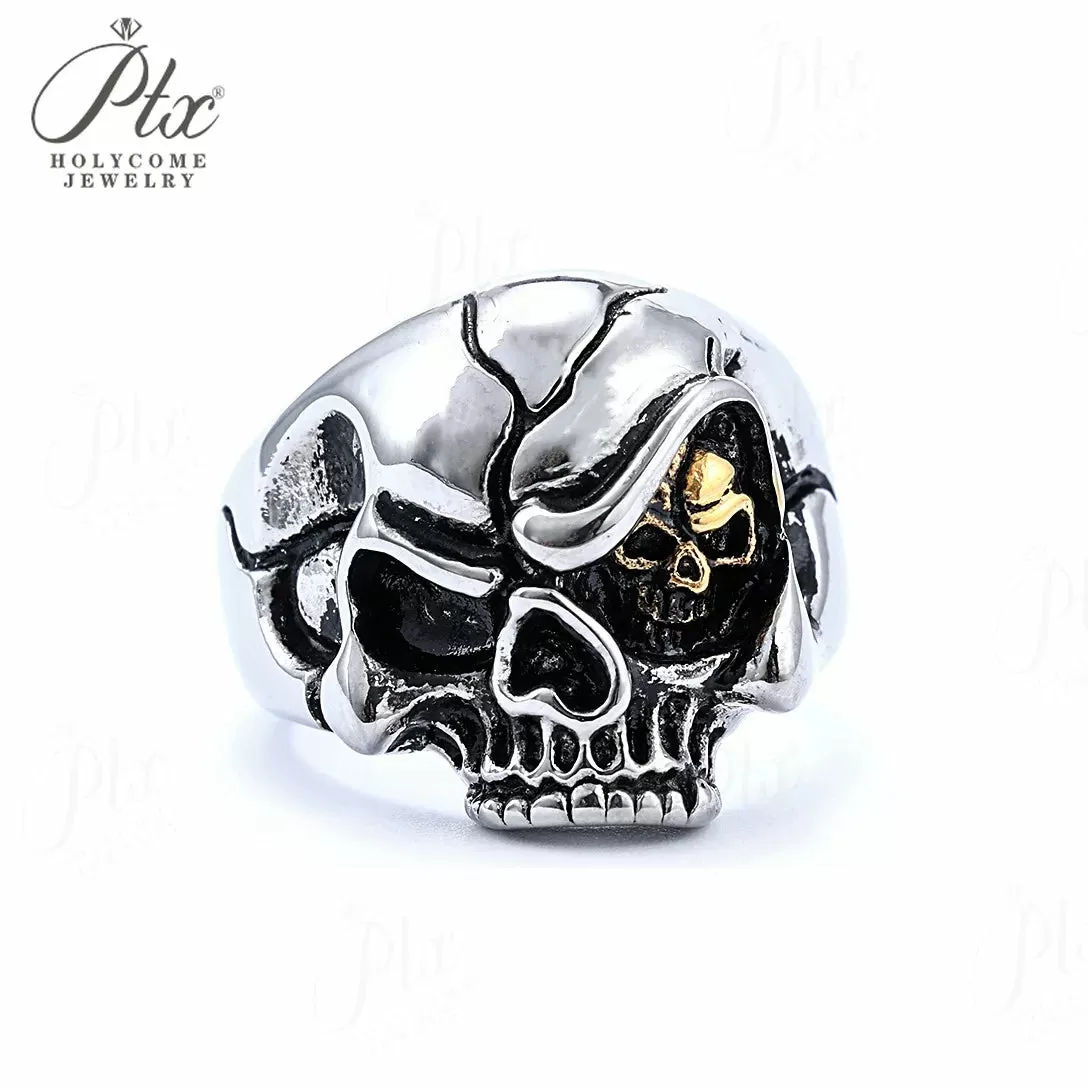
Why Thin Bands Go Out of Round First
A thin band has less metal to resist bending. A 1.2 mm thin silver band will oval from ordinary knocks, while a 2.5 mm comfort-fit band holds its circle. This is why wall thickness matters as much as size: a thin ring that fits perfectly today may feel loose in a year not because it stretched, but because it deformed. When buying everyday rings, prioritize sturdy wall thickness over a dainty look if the piece will be worn constantly. See how band weight translates to value in our rings value guide.
Finger Swelling vs Ring Deformation
Sometimes the ring is fine and the finger changed. Weight changes, pregnancy, and climate all alter finger circumference. Before assuming the ring stretched, compare it against a known size. If the ring still matches its original mandrel measurement but feels loose, the finger changed. If it no longer matches, the band deformed or wore. Most "my ring stretched" cases are a mix: the band ovaled and the finger changed slightly, which makes the looseness feel dramatic.
What You Can Do About a Deformed Ring
- Re-round the band. A jeweler rolls the ring back to a perfect circle on a mandrel in minutes.
- Check wall thickness. If the band is worn thin, re-rounding only lasts until the next knock.
- Size up with a re-shank. A badly worn band may need a new section of metal rather than resizing.
- Avoid knocks. Remove rings before gym, cleaning, and manual work to preserve the circle.
The Real Truth About Metal "Giving"
Softer metals like sterling silver do flow microscopically under pressure, but not enough to change a whole ring size. The tiny movement people feel when a ring "breaks in" is the band polishing smooth against the finger, not the metal growing. Gold-filled, gold-plated, and solid gold bands behave the same way; silver just deforms faster because it is softer. Compare materials and durability in our notes on 925 silver value.
Frequently Asked Questions
Can a ring be stretched to a larger size?
A jeweler can stretch a plain band slightly, but this thins the wall and weakens it. For most rings, cutting in a shank piece is better than stretching.
Do titanium or tungsten rings stretch?
No. They are rigid and cannot be resized at all. If they break, they must be replaced.
How do I tell if my ring is oval?
Roll it on a flat surface. A true circle rolls smoothly; an oval wobbles. A jeweler checks it on a mandrel.
The ring did not stretch. It deformed, wore, or your finger changed. Measure the band, re-round it, and choose a sturdier wall thickness for daily wear. More sizing and value guidance in our jewelry knowledge center.
The Real Way Bands Change Size Over Years
Once you rule out actual stretching, what is left? Three real mechanisms. First, the band wears thin from friction, so the wall gets shallower and the circle weakens. Second, repeated knocks push the circle out of round, which changes the effective fit. Third, your finger changes weight, swelling habits, and age. Together these make a band feel looser or tighter over time, but none of them is the metal stretching. Knowing this helps you diagnose: compare the band on a mandrel. If it still measures true, your finger changed. If it ovaled, the band deformed.
How to Check If Your Ring Is Out of Round
Set the ring on a flat table and roll it gently. A perfectly round ring rolls in a smooth, straight line. An oval ring wobbles and veers. You can also compare it against a ring you know fits true. If the suspect ring wobbles, it needs re-rounding. This is a two-minute job at a jeweler, and it restores the original fit without changing the size. Catching ovaling early also protects the prongs, because an out-of-round band puts uneven pressure on the setting.
Preventing Deformation in Daily Wear
Most ovaling comes from knocks, not normal wear. Remove rings before gym work, lifting, gardening, and cooking with heavy pans. Take rings off when typing heavily if the band is thin. Store rings in a separate slot, not loose in a dish where they get knocked. A well-built comfort-fit band resists deformation far better than a thin shank. We explain wall thickness in our ring buying guide, because the two topics go together: a sturdy band keeps its circle for years.
More Sizing Myth Questions
Does heat make a ring bigger? Metal expands microscopically when hot, but not enough to change a ring size. It cools back to the same size.
Can I shrink an oval ring myself? No. Roll it on a mandrel at a jeweler. Forcing it at home risks cracking the band.
Your ring did not stretch. It ovaled, wore, or your finger changed. Re-round it, protect it from knocks, and choose a sturdier wall for daily wear.