Earring Back Types: A Guide for Jewelry Wholesalers
Why Earring Backs Matter
Earring backs are the unsung heroes of jewelry design. The right back ensures security, comfort, and proper positioning — while the wrong back leads to lost earrings, customer complaints, and returns. For wholesalers, understanding back types helps you choose appropriate styles for each earring design and educate your customers.
Push Back (Butterfly Back)
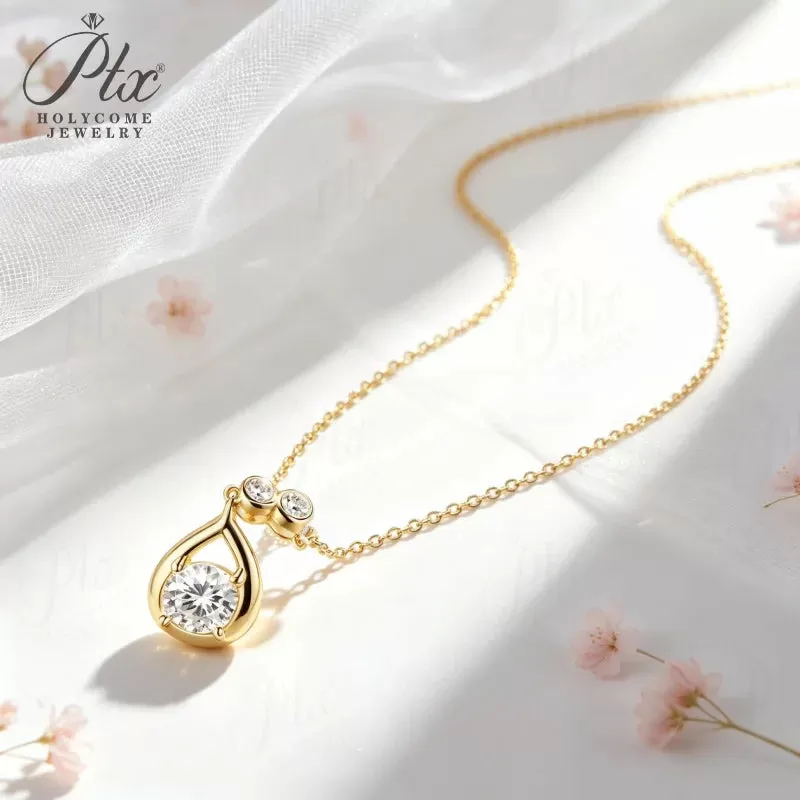
The most common and affordable earring back. Two metal loops (like butterfly wings) grip the post. Pros: inexpensive, easy to use, works with most stud posts. Cons: can loosen over time, not ideal for heavy earrings. Best for: lightweight studs, everyday earrings. Holycome includes silver push backs with all stud earrings.
Screw Back (Threaded Back)
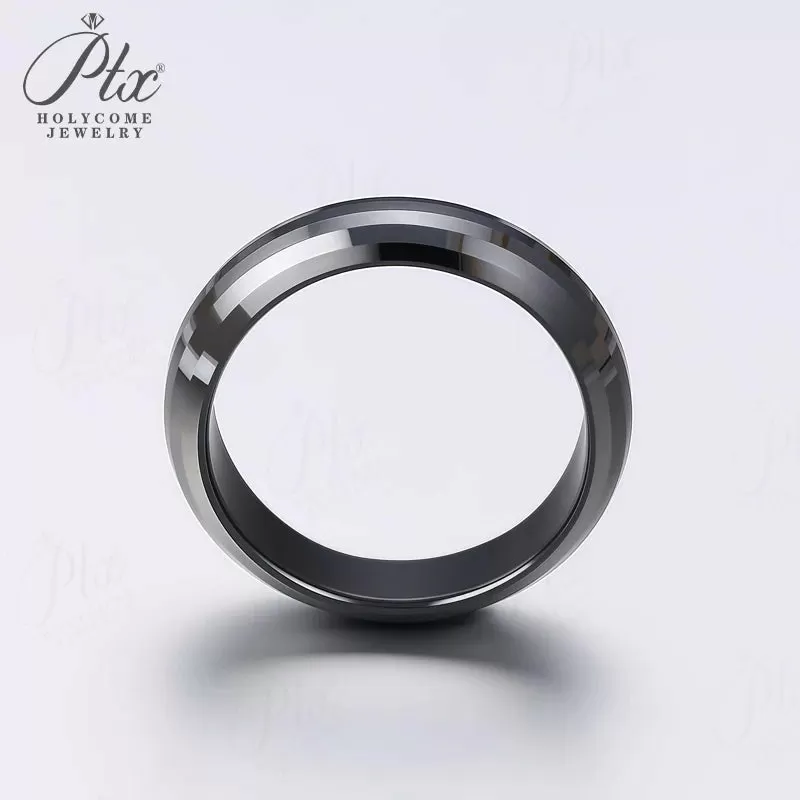
The post is threaded, and the back screws on for maximum security. Pros: cannot fall off, ideal for valuable or heavy earrings. Cons: takes longer to put on, posts must be precisely threaded. Best for: moissanite/diamond studs, expensive pieces, active wearers. A premium option that justifies higher pricing.
Lever Back (European Back)
A hinged hook that snaps closed through the ear, with a lever that secures it. Pros: very secure, elegant appearance, comfortable. Cons: more expensive to manufacture, adds length to the earring. Best for: drop earrings, dangles, medium-weight styles. The most popular secure back for drops.
Fish Hook (French Wire)
A curved wire hook that goes through the ear, often with a small plastic or metal stopper. Pros: elegant, easy to wear, allows movement. Cons: can fall out if not secured, not suitable for very heavy earrings. Best for: lightweight drops, dangles, boho-style earrings. Add rubber stoppers for security.
Huggie/Hinged Back
A small hoop that hinges open and snaps closed, sitting close to the ear. Pros: secure, comfortable for sleeping, modern look. Cons: limited to small hoop designs. Best for: mini hoops, cartilage earrings, sleepers. One of the fastest-growing styles.
Flat Back (Threadless or Threaded)
A flat disc back that sits flush against the back of the earlobe. Pros: comfortable for sleeping, no poking, clean look. Cons: can be tricky to insert. Best for: sleepers, cartilage piercings, minimalist studs. Popular with customers who wear earrings continuously.
Choosing the Right Back for Each Style
Lightweight studs: push back is sufficient. Valuable moissanite studs: screw back for security. Drop earrings under 5g: fish hook or lever back. Drops over 5g: lever back essential. Small hoops: hinged/huggie closure. Cartilage: flat back or small huggie. Matching the back to the earring prevents customer dissatisfaction.
Extra Backs as Add-On Sales
Offer replacement earring backs as a low-cost add-on. Silver screw backs and clear rubber stoppers are popular. This increases customer satisfaction and provides a small but consistent revenue stream.
All Holycome earrings include appropriate high-quality backs. View our collection.
Related Articles
Authoritative References
For buyers who need to verify the technical and regulatory basis of this guide, the following independent institutions publish authoritative reference data:
- FTC Advertising FAQs - U.S. guidance on truthful marketing and disclosure.
- Wikipedia: E-commerce - online retail and marketplace background.
Frequently Asked Questions
What ring sizes can you supply in bulk?
US sizes 5–12 including half sizes. Send a size breakdown with your order and we cast to that curve; comfort-fit inner bands reduce resize requests.
Can I order a mixed size run instead of one size?
Yes. Mixed runs are standard for wholesale: specify quantity per size and we pack and label by size at no extra labor cost.
What is the MOQ for custom ring designs?
50 pieces per design for existing molds; 100–300 pieces when a new mold or CAD model is required.
How should I price rings for retail margin?
Most partners use a 3–4x markup on FOB cost for sterling and 2.5–3x for moissanite solos, which keeps landed cost under 30% of retail.