Earrings Value Value Guide - HOLYCOME
Alloy, Karat and the Cost of a Color Change
A US fashion jewelry wholesalers and gift shops came to us after 300 earrings Value from a trading company produced 11 rejects in the first inspection. The defect was not cosmetic: tarnish in transit had drifted far enough that the buyer's own bench could not correct it without recutting.
That rejection was avoidable at the drawing stage. tarnish in transit belongs on the spec sheet next to the stone size, not in the claim email three weeks after arrival. For earrings Value in this band the rule is the same on every tray of the run, not only on the first.

Our rebuild kept the buyer's retail price and changed four numbers on the bench. The next run cleared inspection because the specification traveled with the tray, not with a phone call. For earrings Value in this band the rule is the same on every tray of the run, not only on the first.
What American buyers Check Before They Sign
Most quotes describe the earrings Value and skip the part that determines the buyer's margin. Those four lines are listed below with the trade default beside our standard. For earrings Value in this band the rule is the same on every tray of the run, not only on the first.
| Spec point | Common trade output | HOLYCOME standard | Cost if missed |
|---|---|---|---|
| Tarnish In Transit on earrings Value | Inspected visually at the tray | Gauntlet check on every piece, limit written in the spec | Returns inside 60 days of wear |
| Rhodium Adhesion on earrings Value | Batch dependent, not logged | Thickness and tension logged per lot | Complaint after the second season |
| Weight Shortfall on earrings Value | Estimated from nominal | Gauged per size with go/no-go tools | Resize queue and reship cost |
| Tolerance stack-up on earrings Value | Quote states nominal only | Worst-case band published per SKU | Freight and duty drift |
Write these four into the purchase order and the argument after delivery becomes arithmetic rather than recollection. For earrings Value in this band the rule is the same on every tray of the run, not only on the first.
Where USD 8-42 Per Piece Actually Goes
Buyers assume the stone dominates the cost of a earrings Value. At wholesale it is closer to a quarter, and the labor line is where two quotes for the same drawing diverge by double digits. For earrings Value in this band the rule is the same on every tray of the run, not only on the first.
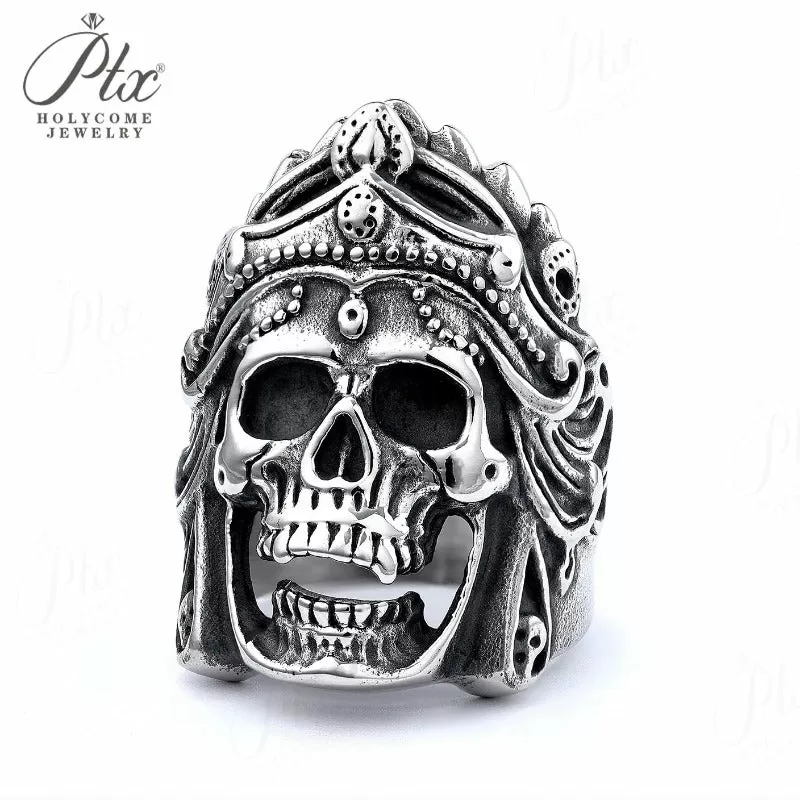
| Cost line | Share | What moves it |
|---|---|---|
| Base metal or alloy for earrings Value | 32% | Alloy choice and casting yield |
| Stone or melee for earrings Value | 23% | Sieve range and lot batching |
| Setting and finishing labor for earrings Value | 21% | Jig design and bench minutes |
| Plating, polish and QC for earrings Value | 14% | Per-tray versus per-piece checks |
| Packaging and freight for earrings Value | 10% | Box grade and DDP versus FOB |
The cheapest quote for earrings Value usually hides its saving in the plating line and the stone grade. Both show up in the second season, not the first. For earrings Value in this band the rule is the same on every tray of the run, not only on the first.
The Three Failures We See Most in Incoming Samples
tarnish in transit
Silver that ships without an anti-tarnish strip browns in a humid container. The strip costs 3 cents and removes the most common arrival complaint.
The commercial effect is tarnish claims and replacements, typically USD 4-7 per piece. Buyers who have seen it once put it in the purchase order; buyers who have not usually discover it on the first return.
rhodium adhesion
A silver surface plated without a palladium strike layer blisters in wear. The strike layer is invisible and essential.
Our countermeasure is a gauge and a written limit. It adds about 11 seconds per piece and removes the defect from the run rather than from the carton.
weight shortfall
A 2.1 g ring shipped at 1.85 g passes a casual check and fails a scale. Publish the weighed average per SKU.
In a 300-piece run this typically shows on 11 of pieces. Catching it means measuring silver assay at 92.5% minimum at the tray level, not inspecting the finished carton.
Alloy, Karat and the Cost of a Color Change
A buyer who understands this about earrings Value negotiates differently, and usually negotiates less.
One practical note on timing for sterling silver pieces: the calendar starts when the spec is signed, not when the deposit clears. A buyer who signs in week one and pays in week three gets the goods in week five.
We date the earrings Value proforma from signature for that reason, and we state the deposit deadline in the same email that carries the spec sheet.
How a Repeat Order Gets Built
The calendar below is what we quote on a 300-piece run of earrings Value. It starts when the spec is signed, not when the deposit clears. For earrings Value in this band the rule is the same on every tray of the run, not only on the first.
- Spec sheet signed before casting: cast or stamped, tolerances, plating thickness and packing format.
- Sample in 3-5 working days from stock components, or about 20 days if a new model is required.
- Production photos at three checkpoints: raw cast, post-polish, post-set, with buyer approval at each.
- Bulk in 15-20 days under 500 pieces; custom tooling runs 25-30 days.
- Pre-shipment QC report with per-tray counts and a retained reference tray for disputes.
MOQ is 50 pieces per design, low enough to test a category and high enough to keep the casting line accountable. For earrings Value in this band the rule is the same on every tray of the run, not only on the first.
What a Report Proves and What It Does Not
The answer for earrings Value depends on four variables, and three of them are under the buyer's control.
There is a version of this that looks cheaper on paper and costs more in practice: quoting the best case on sterling silver pieces and letting the buyer discover the spread. It works once. The second order goes to whichever supplier quoted honestly.
We would rather lose a first order of sterling silver pieces on price than explain a defect after it lands. That position is unusual in this category and it is the reason our reorder share is high.
How the Second Order Becomes Cheaper
It is not a marketing point on earrings Value. It is the number that decides whether the second order happens.
We run this check per tray rather than per carton because the defect that matters on sterling silver pieces is the one that repeats. A single odd piece is noise; a pattern across one tray is a process problem and it will be in every tray made after it.
The report the buyer receives states the count per tray, the measured average and the outlier count for earrings Value. It is deliberately unglamorous, and it is the document that settles most disputes before they start.
What a Report Proves and What It Does Not
Every year we see the same omission in earrings Value spec sheets, and every year it costs a buyer a season.
At 300 pieces the arithmetic on sterling silver pieces changes: the fixed costs spread, the variable costs do not. That is why the second order prices better than the first even when the gold fix has moved up.
We quote both a first-run price and a reorder price for earrings Value on the same sheet so the buyer can see where the curve flattens. Most flatten by the third run.
What This Means for a First Order
The point of a small first run is not the margin. It is finding out whether the supplier's paperwork survives contact with the actual goods. For earrings Value in this band the rule is the same on every tray of the run, not only on the first.
The first order is the cheapest inspection a buyer will ever run, because the volume is small enough to check every tray by hand. For earrings Value in this band the rule is the same on every tray of the run, not only on the first.
Freight, Duty and the Arrival Check
Sea freight costs roughly a third of air and takes three times the transit, which only makes sense for an SKU already selling in US e-commerce. For earrings Value in this band the rule is the same on every tray of the run, not only on the first.
FOB is the default and DDP is the option. Buyers new to US e-commerce usually take DDP once and then switch after they see the breakdown. For earrings Value in this band the rule is the same on every tray of the run, not only on the first.
The arrival check is three steps: count cartons against the packing list, weigh a sample tray, and measure ten pieces against silver assay at 92.5% minimum and plating adhesion after a 24-hour humidity test. For earrings Value in this band the rule is the same on every tray of the run, not only on the first.
Frequently Asked Questions
What is the minimum order for earrings Value?
50 pieces per earrings Value. Designs mix inside one shipment, so a first order of three designs at 50 pieces each is normal for a new US account. Below 50 we cannot keep the gauge check independent of the shift, which is the part buyers actually pay for on earrings Value.
How long does a reorder of the same earrings Value take?
12-15 days for earrings Value, because the model, the gauge set and the signed spec stay in our system. A first run is longer: 3-5 days for a stock-component sample, about 20 days if a new model is needed, then 15-20 days for bulk under 500 pieces.
Do you supply certificates for earrings Value?
assay report per lot for earrings Value. Below that threshold we supply a batch report plus per-piece measurement of silver assay at 92.5% minimum, which is what most resellers need at the counter.
What finish do you use on earrings Value, and how thick is it?
Rhodium at 0.20 micron minimum on white earrings Value, with a palladium strike layer so wear-through reads white rather than yellow. Thickness is logged per lot and appears on the QC sheet, not only in the brochure.
How do you handle a rejected tray of earrings Value?
We replace or credit inside the same order cycle. The retained reference tray decides: if tarnish in transit shows on our retained earrings Value we own it, and if it appeared in transit we split the assay cost and file with the carrier. A typical exposure on earrings Value is tarnish claims and replacements, typically USD 4-7 per piece.
Next Step
Send one drawing or one competitor sample with your target landed cost. We answer with a tolerance sheet, a cost breakdown and a production calendar in two business days. For earrings Value in this band the rule is the same on every tray of the run, not only on the first.
HOLYCOME runs this line from Wuzhou, Guangxi, through Wuzhou HengliLai Jewelry Co., Ltd. Output is about 60,000 pieces a month across earrings Value and adjacent categories. service@holycome.com or WhatsApp +86 133 7744 7107.
Related reading: Necklaces Value Wholesale: What a Report Proves and What It Does Not - HOLYCOME Jewelry Care Value: What the Quote Actually Covers - HOLYCOME