Engagement Ring Setting Styles
The setting defines an engagement ring's character — it determines how the stone is displayed, the ring's overall aesthetic, and its price point. Understanding popular setting styles helps retailers curate inventory that matches customer demand and current bridal trends.
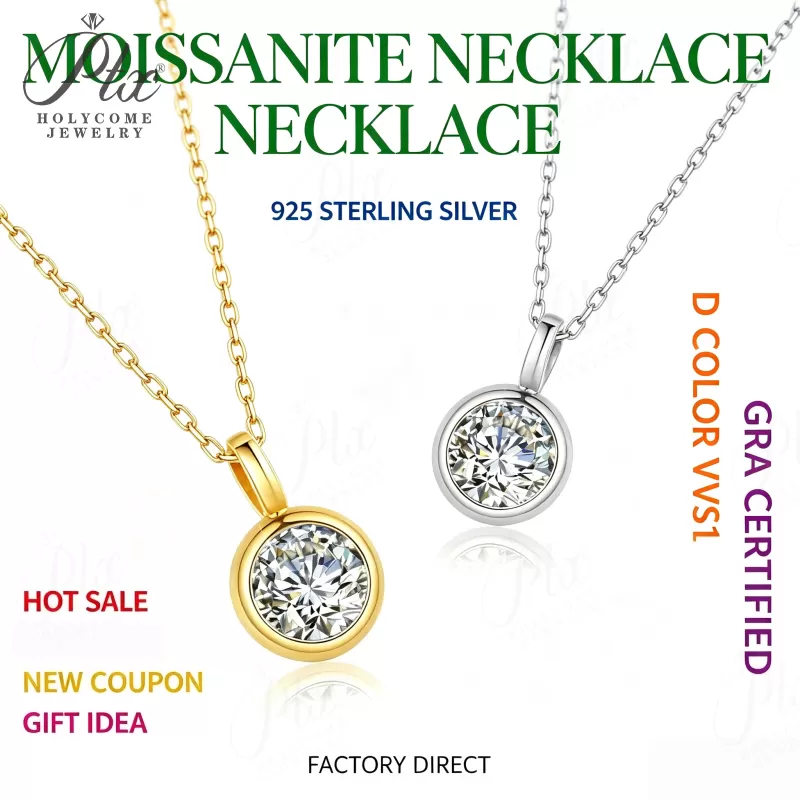
Solitaire: The Timeless Classic
The solitaire setting features a single center stone held by prongs (usually 4 or 6). It's the most popular engagement ring style — clean, elegant, and focused entirely on the center stone. Solitaires maximize light exposure (brilliance) and work with any stone shape. They're versatile, timeless, and appeal to customers who want classic elegance. Solitaires are typically the most affordable setting style, making them accessible to a wide range of budgets.
Halo: The Brilliance Booster
Halo settings surround the center stone with a ring of smaller stones, creating the illusion of a larger center stone and adding extra brilliance. Halo rings have been extremely popular since the 2010s, driven by celebrity engagements. They make smaller stones appear larger (a 0.5ct center can look like 1ct+) and add sparkle from every angle. Halo settings cost more than solitaires due to additional stones and labor, but offer strong perceived value.
Pavé and Side-Stone: Adding Sparkle
Pavé settings line the band with small stones held by tiny prongs, creating a continuous sparkle along the ring. Side-stone settings feature accent stones on the shoulders of the band. Both styles add brilliance and make the ring look more substantial. They're popular for customers who want more sparkle than a solitaire but less than a halo. Pavé settings require careful maintenance (small prongs can loosen).
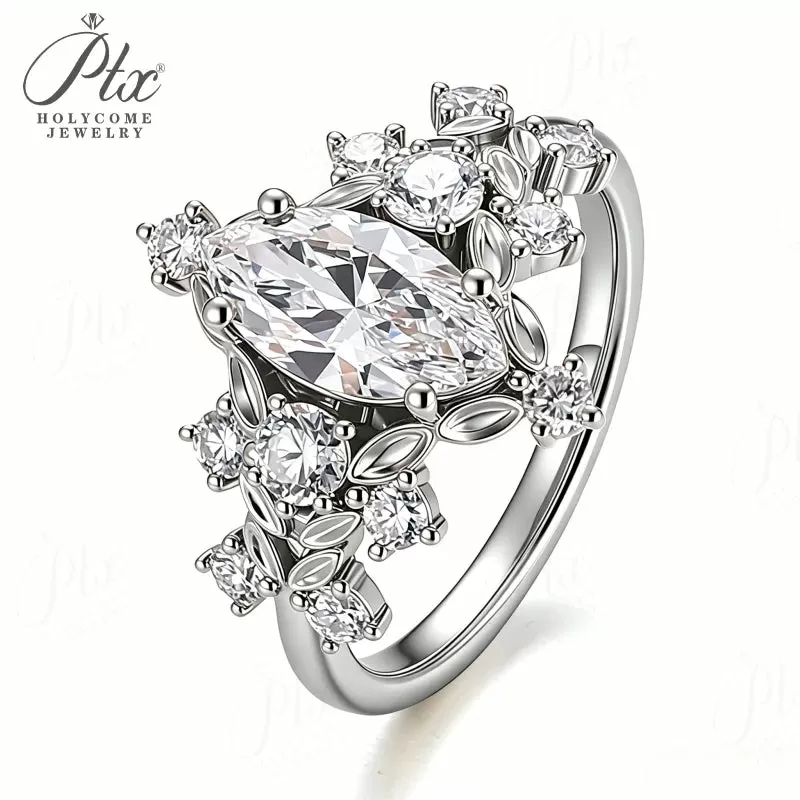
Three-Stone: Symbolic and Elegant
Three-stone rings feature a center stone flanked by two smaller side stones, traditionally representing past, present, and future. They're elegant, meaningful, and offer more finger coverage than solitaires. Three-stone settings work well with oval, cushion, and emerald cuts. They're a popular choice for customers who want a distinctive, meaningful ring without the full halo look.
Vintage and Antique Styles
Vintage-inspired settings feature milgrain, filigree, hand-engraving, and ornate details. Driven by the yellow gold revival and estate jewelry trends, vintage styles have grown significantly. They appeal to customers who want unique, characterful rings. Art Deco (geometric, bold) and Victorian (romantic, ornate) are the most popular vintage sub-styles. Vintage settings require more craftsmanship and are priced accordingly.
Bypass and Twist: Modern and Unique
Bypass settings have the band "bypass" around the center stone, creating an asymmetrical, modern look. Twist settings feature intertwined or braided bands. These styles appeal to customers who want something non-traditional. They work well as fashion rings and alternative engagement rings. Bypass/twist settings are a niche but growing category.
Metal Choice by Setting
White gold: classic for solitaires and halos (makes stones appear whiter). Yellow gold: trending for vintage, solitaire, and three-stone (warm, romantic). Rose gold: popular for halos and vintage styles (romantic, unique). Platinum: premium option for all styles (most durable, naturally white). Consider your market's color preferences when stocking.
Inventory Strategy
Core: solitaire (35%) — always in demand. Halo (30%) — strong trend seller. Pavé/side-stone (20%) — adds variety. Three-stone (10%) — meaningful option. Vintage/bypass (5%) — unique niche. Stock best-selling stone shapes (round, cushion, oval) in each style. MOQ 1 lets you test styles before volume orders.
Browse gold engagement ring settings — factory direct wholesale.