Gold Jewelry Quality Tiers
Not all "gold" jewelry is created equal. Solid gold, gold filled, and gold plated represent different quality tiers with significant differences in durability, value, and price. Understanding these terms helps retailers source appropriately, educate customers, and avoid misrepresentation issues.
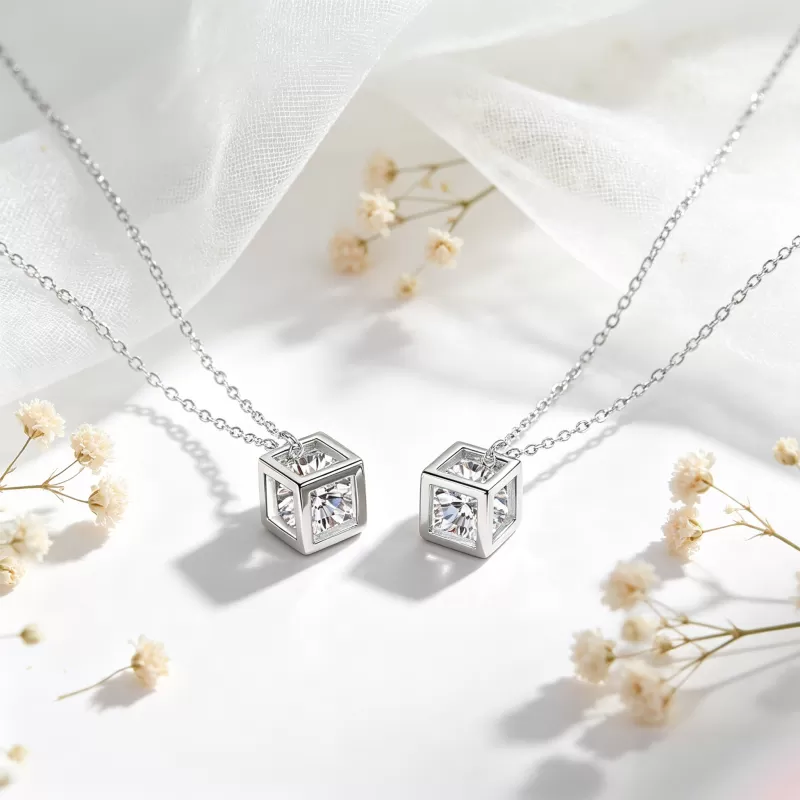
Solid Gold: The Premium Standard
Solid gold jewelry is made entirely from gold alloy (10K, 14K, 18K) throughout — no base metal core. It's the most valuable, durable, and hypoallergenic option. Solid gold never wears through (the color is consistent throughout), can be resized and repaired, and holds intrinsic value. It's the standard for fine jewelry, engagement rings, and heirloom pieces. Holycome's gold jewelry is solid gold, never plated base metal.
Gold Filled: The Quality Alternative
Gold filled jewelry has a thick layer of gold (minimum 5% of total weight) mechanically bonded to a base metal core (usually brass). The gold layer is 50-100x thicker than gold plating. Gold filled pieces last 5-10 years with normal wear, are hypoallergenic, and offer the look of solid gold at a fraction of the cost. It's regulated by the FTC (must be 5% gold by weight). Gold filled is an excellent mid-tier option for quality-conscious budget shoppers.
Gold Plated: The Budget Option
Gold plated jewelry has a thin layer of gold (0.1-1 micron) electroplated onto base metal (brass, copper, steel). It's the most affordable option but wears quickly — plating can rub off in months to a year, exposing the base metal. Gold plated pieces may cause allergies (base metal contact) and cannot be easily repaired. They're suitable for fashion/trend jewelry with short product lifecycles.
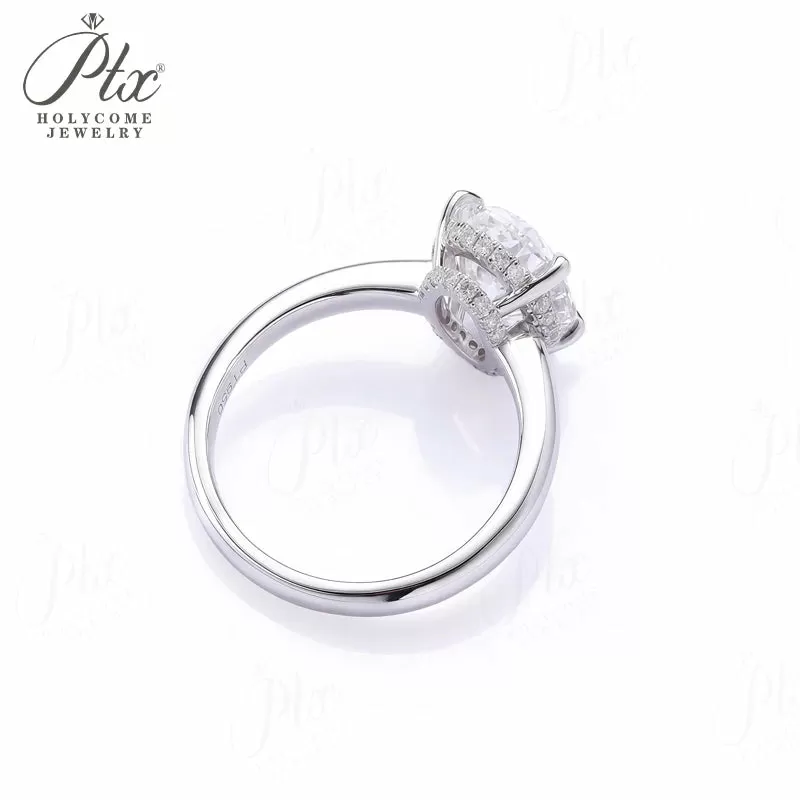
Wear Life Comparison
Solid gold: lifetime (can be polished and repaired indefinitely). Gold filled: 5-10 years (gold layer eventually wears through on high-contact areas). Gold plated: 3 months to 1 year (thin plating wears quickly). For rings (high contact), solid gold or gold filled is recommended. For earrings and pendants (low contact), gold plated can last longer.
Hypoallergenic Properties
Solid gold: hypoallergenic (especially 18K). Gold filled: hypoallergenic (thick gold layer prevents base metal contact). Gold plated: may cause allergies once plating wears (base metal often contains nickel). For customers with sensitive skin, solid gold or gold filled is essential.
Value and Resale
Solid gold: has intrinsic scrap value based on gold content. Gold filled: minimal scrap value (only the gold layer, 5% of weight). Gold plated: essentially no scrap value. Customers paying premium prices expect solid gold. Be transparent about gold content — misrepresentation can lead to legal issues and reputational damage.
Pricing and Margins
Solid gold: highest cost, highest retail value, moderate margins. Gold filled: mid cost, good margins (customers pay for quality appearance). Gold plated: lowest cost, highest percentage margins but low absolute prices. Choose based on your market: fine jewelry stores = solid gold; mid-tier boutiques = gold filled + solid; fast fashion = gold plated.
Legal Labeling Requirements
The US FTC and similar regulators require accurate labeling: "solid gold" must be karat-stamped; "gold filled" must meet 5% weight requirement; "gold plated" must disclose the base metal. Never label plated items as "gold." Holycome provides proper stamping and certification for all gold jewelry.
Inventory Recommendation
For a jewelry wholesale business targeting quality customers: solid gold (14K/18K) for engagement and premium lines; gold filled for everyday fashion at accessible prices; avoid gold plated for your main collection (it damages reputation). Holycome specializes in solid 925 silver with quality plating and solid gold options.
Shop quality gold jewelry — solid gold, factory direct.