Is 925 Sterling Silver Worth the Money? A Buyer's Real-World Guide
The question "is 925 sterling silver worth the money" sounds simple, but it trips up almost everyone who has ever compared a $20 silver necklace to a $200 one in a jewelry store window. The honest answer is yes, but only when you understand what the price actually buys you. Sterling silver jewelry is not just a chunk of metal on a sale tag; it is an alloy engineered to hold shape, resist tarnish long enough to be practical, and sit next to your skin without the reactions that cheaper base metals cause. Once you separate the material value from the brand markup, 925 silver becomes one of the most durable, wearable, and sensible investments in any jewelry drawer.
We manufacture sterling silver and moissanite jewelry by the thousands from our workshop in Wuzhou, China, so we see the gap between what silver costs to make and what it sells for at retail. This guide walks through the real economics: how much of the price is metal, how much is labor, why silver-plated pieces look identical on day one but age in opposite directions, and how to judge whether a specific 925 silver piece is fairly priced. By the end, you should be able to walk into any store or open any website and know within a minute whether you are looking at fair value or a dressed-up costume piece.
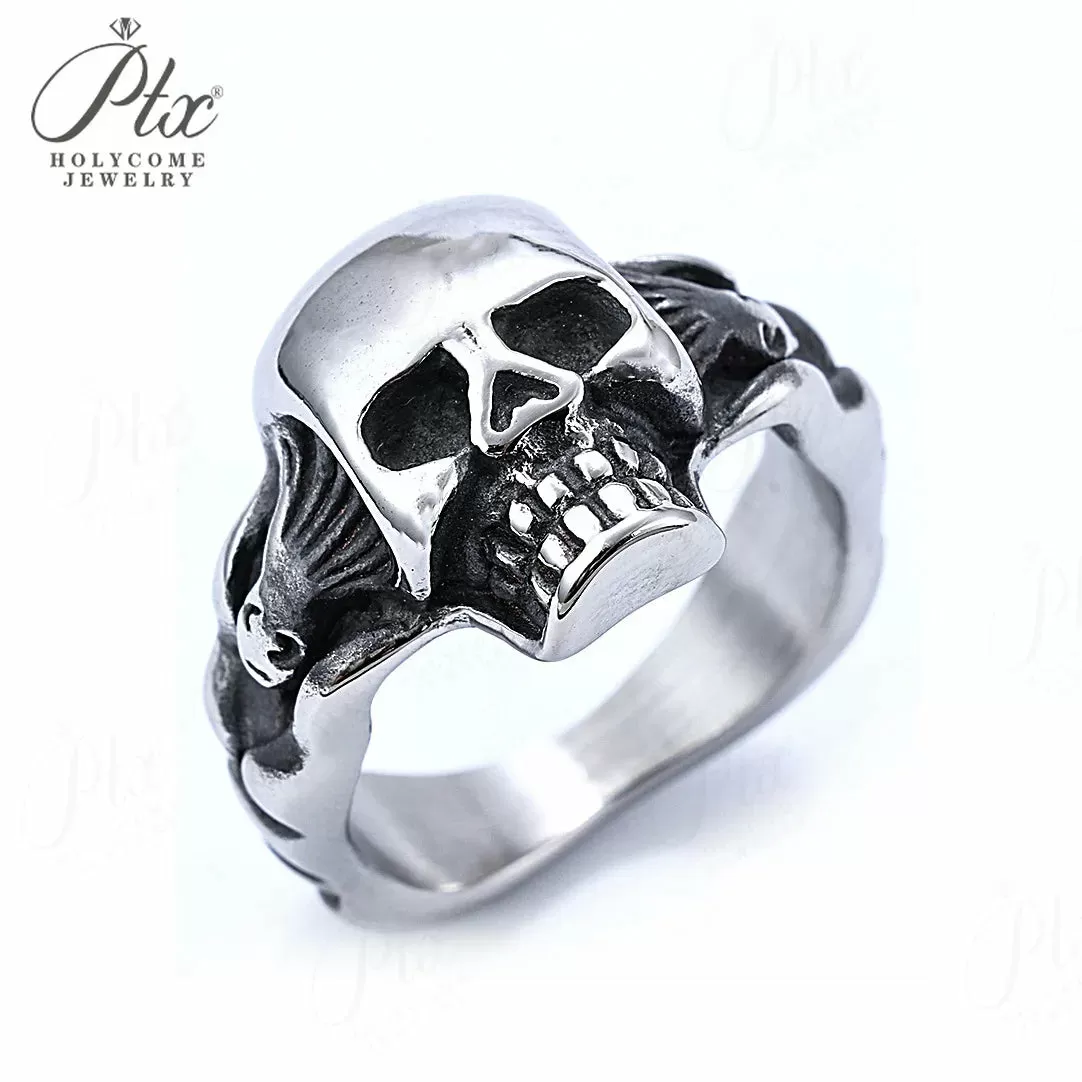
What 925 Sterling Silver Actually Is
Pure silver, the kind that comes out of the refinery, is 99.9 percent soft. It is beautiful, bright, and about as practical for daily jewelry as butter. Bend a pure silver ring once and it stays bent; wear a pure silver chain and it stretches out of shape within months. To make silver wearable, jewelers alloy it with copper and sometimes tiny amounts of other metals. The result is sterling silver, which by definition is 92.5 percent pure silver and 7.5 percent alloy. That 925 number is not marketing; it is a legal standard in most countries, and any piece stamped with it has to meet a minimum purity.
The 7.5 percent alloy is what does the heavy lifting. Copper adds hardness and tensile strength so a ring keeps its round shape and a clasp does not deform under normal use. It also gives silver the slight warmth that people recognize as the classic silver look. Without that copper content, you would own silver that scratches on contact with a cotton shirt. With it, you own silver that survives decades of daily wear. This is the first reason 925 silver is worth the money: the alloying process is deliberate, it costs more than casting brass, and it produces a material that base metal simply cannot match for longevity.
When people ask whether 925 silver is worth it, they are usually comparing it against two alternatives. The first is plated fashion jewelry, usually brass or zinc with a thin silver coating. The second is solid gold or platinum. Plated pieces look nearly identical in a display case, and gold is unquestionably more valuable by weight. The sweet spot in between, the material that balances beauty, durability, skin comfort, and price, is exactly why sterling silver became the world's most popular fine jewelry metal. We cover the material science in more depth in our guide on what 925 sterling silver is, but the value case starts here: 925 silver is a real precious metal, not a coating, and it is engineered to be worn every day rather than once for a photo.
Breaking Down the Price Tag
To decide if a piece is worth its price, you have to know what the price contains. A typical retail sterling silver necklace you buy in a mall store might sell for $80 to $150. The actual silver in it, based on weight, could be worth $8 to $15 at the daily metal price. The rest of the cost is not someone cheating you; it is the cost of getting that metal from a refinery into a finished, polished, stamped, packaged, insured piece sitting in a store that pays rent. Understanding this breakdown changes how you shop.
Here is roughly where the money goes. The silver material itself is usually 10 to 20 percent of the retail price. Casting, forming, and soldering the piece into shape adds labor. Setting stones, applying plating, polishing, and quality inspection add more. Packaging, branding, and store overhead are the largest single chunk in retail. The takeaway is not that retail is a ripoff; it is that the closer you buy to the source, the larger the share of your money goes into the actual piece. That is why factory-direct silver, including the wholesale programs we run from Wuzhou, offers buyers and small retailers a genuine value advantage. For the cost side from the factory perspective, see our breakdown of how Wuzhou factories price 925 silver.
Two pieces that look identical can have very different hidden costs. A thin, hollow-chain necklace made quickly in a high-volume factory might use very little silver and almost no hand polishing. A solid, well-weighted piece with hand-finished prongs and a thick plating coat costs more to produce, and it will look good twice as long. When you are judging value, weight and finish are your two best clues. Pick the piece up. A chain that feels light and tinny is going to kink and fade fast. One that has solid heft and a smooth, even polish is built to last. The extra $20 you pay for the heavier version almost always buys more years of wear, which brings us to the next section.
Cost Per Wear: The Real Value Metric
The most useful way to judge whether jewelry is worth the money is cost per wear, and this is where sterling silver quietly wins. A $12 plated pair of earrings that turns your earlobes green in three weeks and gets tossed away costs you roughly $6 per wear for the four times you wore them. A $40 pair of 925 silver studs that you put on every day for five years costs you about two cents per wear. That is not a rounding error; it is the difference between buying a fashion accessory and buying a piece of jewelry.
Sterling silver earns its keep because it is comfortable enough for daily wear. The 92.5 percent silver alloy is hypoallergenic for the vast majority of people, which means you can sleep in it, shower in it, and sweat in it without the itchy reactions caused by nickel and brass. When a piece is comfortable, you actually wear it, and when you wear it constantly, the per-wear cost collapses. This is the core reason people build entire wardrobes around silver: it is the one metal that works for the office, the gym, and a night out without needing special handling. If you have sensitive skin, our piece on hypoallergenic silver jewelry explains exactly why the metal matters.
Durability compounds the value. A well-made silver ring survives decades. The plating may dull, the band may develop a soft patina, and you might have to polish it once a year, but the structure stays intact. Compare that to fashion jewelry that snaps, tarnishes unevenly, or peels at the joints after a few months. Over a ten-year horizon, buying two or three solid silver pieces instead of ten disposable ones is both cheaper and less wasteful. Value, at the end of the day, is not the lowest sticker price. It is the price divided by the number of years the piece stays beautiful and usable.
How Silver Spot Price Affects What You Pay
Silver is a traded commodity, and its spot price moves daily. This matters to value because the metal component of your jewelry rises and falls with the market, even though retail prices are slow to catch up. When silver prices spike, manufacturers raise their quotes within weeks. When prices drop, retail markdowns come much more slowly, because stores have inventory bought at the higher price. For a buyer, this creates a subtle but real window of opportunity.
The good news is that retail jewelry prices are dominated by labor and overhead, not by the spot metal. A modest move in silver price changes the material cost by only a few dollars on a typical necklace, which is why most shoppers never notice. The people who feel silver price swings most directly are wholesale buyers ordering hundreds of pieces. If you are a small retailer or a direct buyer, tracking the silver market can help you time a larger purchase. We cover this in detail in our article on silver price volatility for wholesale buying, and the short version is this: watch the market, but do not overthink it. A piece you love at a fair price is a good deal regardless of whether silver moved a few cents that week.
There is also a psychological angle. Some buyers avoid silver because they think "gold holds value and silver does not." That is only half true. Silver does not trade like gold as an investment metal, and you should never buy a silver necklace expecting to resell it for a profit. But as wearable value, as something you enjoy and use, silver consistently outperforms gold in everyday affordability. You can own a silver piece you wear daily for less than the price of a single cheap gold piece you hesitate to leave the house in. That tradeoff is the whole point of sterling silver.
Sterling Silver vs Plated and Brass: Why the Gap Matters
The single most common mistake people make is buying silver-plated jewelry thinking it is sterling. From a foot away in soft lighting, they look the same. Up close, over time, they diverge dramatically. Plated jewelry has a base of brass, zinc, or even pot metal, coated with a few microns of silver. That coating wears off at the points of friction, revealing the darker base metal underneath. It also reacts to skin acids and sweat, which is what causes the green marks on your skin and the dull, patchy look after a few months.
Solid 925 silver has no coating to wear off. When it scratches or tarnishes, the metal underneath is still silver, and polishing restores the shine. There is no base layer waiting to be exposed. This difference shows up in three practical ways. First, solid silver tarnishes evenly and polishes clean. Plated silver tarnishes in blotches because the coating and the base metal oxidize differently. Second, solid silver can be repaired, replated, and resized. Plated pieces crack and peel under any real repair attempt. Third, solid silver is skin-safe; plated pieces often contain nickel under the coating, which is the leading cause of jewelry allergy. We compare this directly in sterling silver vs brass, but for a retail buyer the rule is simple: if the price seems too good for solid silver, it is almost certainly plated.
How do you tell them apart? Look for the stamp. Genuine sterling pieces carry a 925, S925, or sterling mark somewhere discreet, usually inside a ring band or on a clasp. The stamp is not a 100 percent guarantee, because counterfeits exist, but its absence is a red flag. Weight is the other clue. Solid silver has a reassuring density; plated pieces feel hollow or lightweight. If a deal looks too cheap to be real silver, check the stamp, pick it up, and ask whether the seller will put 925 sterling in the description. A reputable seller will say it plainly, because solid silver is what they actually want you to buy.
Tarnish: The Fear That Is Not a Real Problem
The reason many people hesitate on silver is tarnish. They remember a grandmother's silver that turned black in a drawer, and they assume silver jewelry does the same. The reality is more nuanced, and once you understand tarnish, it stops being a reason to avoid silver and becomes a five-minute maintenance habit. Tarnish is not damage. It is a chemical reaction between silver and sulfur compounds in the air, in food, and in certain cosmetics that produces a thin dark layer on the surface. It wipes or polishes off completely, and the metal underneath is untouched.
Tarnish behaves differently depending on how you treat the piece. Jewelry worn regularly tarnishes less, because the gentle friction against skin and clothing buffs the surface and slows the reaction. Jewelry left untouched in a damp drawer tarnishes fastest. This is why storing silver matters more than you think: a dry pouch or an anti-tarnish strip prevents most of the problem before it starts. We cover the full chemistry and prevention routine in silver jewelry tarnish causes and prevention, but the practical summary is simple. Wear your silver, keep it dry, store it separately, and polish it once or twice a year.
For people who want zero tarnish, there is rhodium plating. Most of the silver we produce is finished with a thin rhodium coat, which gives it a bright white look and creates a barrier that slows tarnish dramatically. Rhodium plating wears down over one to two years of daily wear, and when it does, the silver underneath simply needs a fresh coat. It is not a permanent fix, but it is an affordable service, and it turns silver from a high-maintenance metal into a low one. The point for value is this: tarnish is a solvable maintenance step, not a defect, and it never reduces the actual worth of the piece the way rust ruins iron. A tarnished silver necklace is still a silver necklace, and it looks new again with ten minutes of work.
Long-Term Value and Resale Reality
Here is the part of the value conversation we have to be honest about. Sterling silver jewelry is not an investment you resell for a profit. The retail markup means that when you try to sell a finished piece, you are usually looking at a fraction of what you paid, because the buyer will value it mostly for its metal weight. This surprises people who expect jewelry to hold retail value, but it is true of almost all fashion jewelry, including most gold pieces. The value of silver jewelry is the enjoyment you get while you own it, not a future resale check.
Knowing this changes how you should shop. If your goal is purely financial investment, buy bullion, not jewelry. If your goal is to own beautiful, durable, wearable pieces that improve your daily life and do not fall apart, silver is outstanding value. The resale reality also tells you where to buy. Because you will never recover retail markup when reselling, you should minimize that markup on the way in. Buying from a factory-direct source rather than a luxury boutique means you paid closer to the real value of the piece, which is as close to a fair deal as jewelry gets. For more on how this works for small buyers, our guide to 925 silver jewelry MOQ and factory-direct pricing lays it out.
There is one exception where silver pieces do hold their value reasonably: vintage and designer pieces with provenance. A well-made antique silver piece, a signed designer work, or a piece with sentimental history can appreciate. But that is a specialty market, not the everyday necklace you buy this week. For the vast majority of buyers, the right mental model is this: silver jewelry is a consumable luxury, not a savings account. Buy the pieces you will actually wear, buy them fairly, and let the daily enjoyment be your return.
How to Judge If a Specific Piece Is Fairly Priced
You now have the pieces of the value puzzle. Here is how to put them together when you are standing in front of a specific necklace, ring, or pair of earrings. Start with weight. Ask for the gram weight if it is online, or feel the piece in person. Heavier pieces use more silver and are usually built better. Next, check the stamp. A clear 925 mark signals solid silver. Then look at the finish. Smooth, even plating, clean soldering, tight stone settings, and a balanced clasp are all signs of workmanship that justifies a higher price. Rough edges, thin plating, and flimsy clasps signal a low-quality piece no matter how pretty the photo is.
Compare against comparable options. If two sterling silver stud earrings look the same and one costs twice the other, the difference is usually brand, retail location, and packaging, not silver content. Once you know that, you can decide whether the brand is worth it to you, or whether you would rather buy the same quality from a direct source. This is not an argument that all retail is bad; boutiques offer service, instant availability, and the experience of trying things on. It is an argument that you should know what you are paying extra for. If you are ordering in volume or are comfortable buying online, the factory-direct price is genuinely lower for the same physical product.
Finally, ask yourself the cost-per-wear question before you buy. Will you reach for this piece often? Does it fit your existing wardrobe? If the answer is yes, even a more expensive piece is value. If it is a trend item you will wear twice, even a cheap piece is a waste. Sterling silver amplifies this equation because its durability means the pieces you love truly do last. Buy the silver pieces you know you will wear for years, skip the impulse trends, and your jewelry spending starts working for you instead of vanishing into a drawer.
Frequently Asked Questions
Is 925 sterling silver worth more than regular silver? It is the practical, wearable form of silver. Pure silver is too soft for jewelry, so 925 is the standard. In terms of metal value per gram, sterling is slightly less than pure silver because of the alloy, but it is the only form that survives daily wear, which is what makes it worth buying.
Does 925 silver turn skin green? Solid 925 silver rarely does. Green skin usually comes from plated jewelry exposing brass or from heavily oxidized copper in cheap alloys. Genuine sterling, especially when kept clean and dry, is one of the most skin-friendly metals available.
Why is some 925 silver so cheap and some so expensive? The silver content is similar across both. The difference is weight, plating thickness, workmanship, brand markup, and retail overhead. A cheap piece is usually thin, lightly plated, and mass produced, while an expensive one may have genuine craftsmanship or a luxury name.
Can I resell sterling silver for a good price? You can resell it, but expect offers based mostly on metal weight, which is well below retail. Sterling silver jewelry is valued for wearing, not as a resale investment. Buy it for enjoyment, and buy it fairly to begin with.
The Bottom Line on 925 Silver Value
Sterling silver is worth the money when you buy solid pieces that you genuinely wear. It is skin-safe, durable enough for decades, repairable, and far more affordable than gold for everyday use. Its weaknesses, tarnish and modest resale value, are both manageable and widely misunderstood. Tarnish polishes off, and the resale reality just means you should shop smart and avoid paying luxury markup for pieces you will never sell anyway.
If you are considering a larger order, or you are a small retailer wondering whether sterling silver is a category worth stocking, the team in our Wuzhou workshop can walk you through weights, plating options, and factory-direct pricing. Reach us at service@holycome.com, and browse our 925 silver collection to see the standard of finish we build into every piece. For the next layer of understanding, keep reading our silver value articles, including how to verify authenticity and how plating changes the long-term wear of the pieces you choose.