Jewelry Buying Guide How to Choose Quality Jewelry
Jewelry Buying Guide How to Choose Quality Jewelry for Resale - HOLYCOME
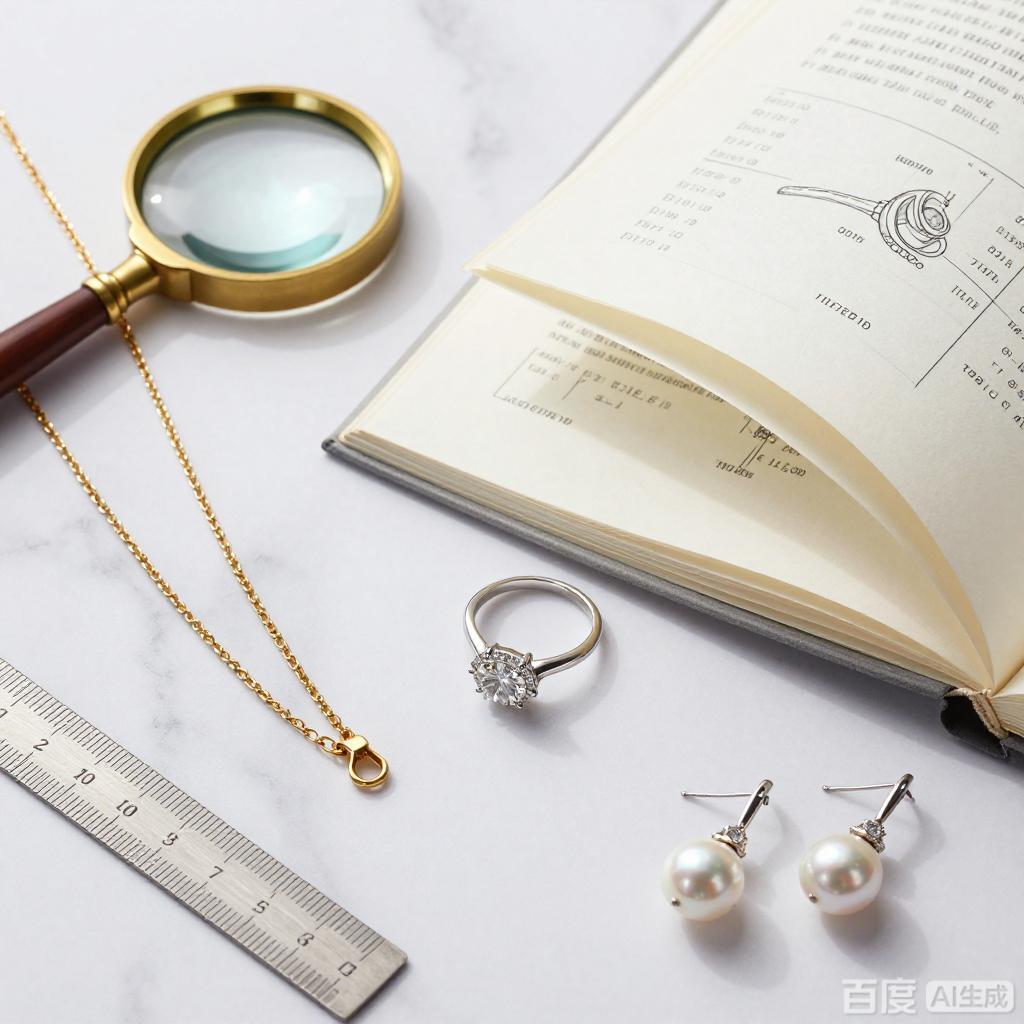
Buying jewelry for resale - whether you stock a retail store, run an e-commerce site, sell on Etsy or social media, or curate a boutique collection - requires knowing more than what looks good on a product photo. Quality varies enormously between factories and trading companies. What photographs like 14K gold can be brass with thin plating. What looks like a VS diamond online can be an included stone under magnification. This jewelry buying guide walks retailers and resellers through the key decisions, quality checks, and sourcing strategies that separate successful jewelry businesses from those losing money to returns and complaints.
Start with Your Customer Segment
The first buying decision is not a style - it's understanding who you are selling to. A $25 fashion earring bought from a factory that produces premium $200 fine jewelry will be overpriced. A $200 engagement ring bought from a fashion-jewelry supplier will be under-made, cost you returns, and damage your brand. Match your factory and quality tier to your target customer:
| Customer Segment | Price Tier (Retail) | Materials | Factory Type | Expected Margin |
|---|---|---|---|---|
| Fashion/costume | $10-$80 | Brass/alloy, CZ, gold plate | Fashion jewelry factory | 3-6x keystone |
| Bridge/contemporary | $50-$300 | 925 silver, vermeil, gemstones | Silver jewelry factory | 3-4x keystone |
| Fine demi | $200-$1,500 | 10K-14K gold, small diamonds | Gold jewelry factory | 2.5-3.5x |
| Fine/bridal | $800-$10,000+ | 14K-18K gold, GIA/IGI stones | Fine/bridal specialist | 2-3x |
| Luxury/haute | $5,000-$100,000+ | Platinum, high-carat gold, large stones | Atelier/bench production | 2-3x |
Working with the wrong tier of factory is the single most expensive mistake jewelry retailers make. If you sell bridge jewelry, buying from a high-end bridal factory means you'll never hit competitive price points. If you sell bridal, buying from a fashion supplier means quality failures. HOLYCOME produces bridge through fine jewelry across silver, gold, moissanite, and lab grown diamonds, and we advise clients honestly when their target price point requires a different supplier.
The 4 C's - and Why They Matter Beyond Diamonds
Diamond buyers know the 4 C's (cut, color, clarity, carat), but the same framework applies to colored gemstones, moissanite, and even CZ. Here's how to evaluate each for wholesale buying:
Cut
Cut determines sparkle more than any other factor. A poorly cut diamond (or moissanite, or CZ) with excellent color and clarity will look dull. A well-cut stone with H color and SI clarity can out-sparkle a poorly cut D VVS. For diamonds and moissanite, look for "Excellent" or "Ideal" cut grades on certificates. For colored stones, evaluate symmetry, windowing (seeing through the center of a poorly cut stone), extinction (dark dead spots), and brilliance across the crown. For CZ, commercial-grade AAAA stones have better facet alignment and polish than AAA and lower.
Color
Color grading for diamonds runs from D (colorless) to Z (light yellow/brown). DEF is colorless (premium), GHIJ near-colorless (commercial bridal), K+ tinted (fancy or value). For moissanite, DEF is the standard colorless grade. For colored gemstones, color saturation and tone determine value - an intense medium-dark sapphire is worth multiples of a pale washed-out stone. For pearl, overtone and luster matter more than base color. Always request color calibration stones or photos in daylight (not studio LED lighting, which can mask yellow tints).
Clarity
Clarity runs from FL (flawless) to I3 (inclusions visible to the naked eye). For bridal, VS1-VS2 is the commercial sweet spot (eye-clean, priced below VVS/IF). For everyday fashion jewelry, SI1-SI2 eye-clean is sufficient for pieces under 1 ct. In colored stones, "eye-clean" is the standard for commercial quality - some inclusions are expected under loupe but should not be visible to the naked eye face-up. Be cautious of suppliers listing all stones as "VVS" - this is often inaccurate for commercial goods.
Carat Weight
Carat is weight, not size - but millimeter dimensions are what the eye sees. A deep-cut 1 ct diamond faces up smaller (6.0-6.2 mm) than an ideal-cut 1 ct (6.4-6.5 mm). For resale, know both carat weight and millimeter size. Two stones with identical carat weight can look different sizes based on cut proportions. When ordering calibrated stones (e.g., 5 mm for a standard ring setting), confirm millimeter tolerance of +/- 0.05 mm; poorly calibrated stones will not seat properly in settings.
Metal Quality Verification
Metal misrepresentation is a widespread issue. Pieces stamped "925" or "14K" are not guaranteed to meet those standards. Best practices for verification:
Work with suppliers who provide XRF (X-ray fluorescence) testing for metal batches. XRF guns measure alloy composition non-destructively and can verify silver content at 92.5% and gold at 10K/14K/18K. Require a copy of test reports for initial orders. Hallmarks and stamps are necessary but not sufficient - stamping a piece "14K" costs the factory nothing. Be especially cautious with gold-plated jewelry: pieces advertised as "gold-filled" must meet a legal standard (5% gold by weight in the US); "gold dipped" or "gold overlay" is thin plating that wears off quickly. Vermeil (gold over sterling silver) requires a minimum of 2.5 microns of gold plating over sterling silver - thinner plating is not vermeil.
Nickel Content
EU REACH regulations require skin-contact jewelry to release less than 0.5 μg/cm²/week of nickel. California Prop 65 has similar (though less specific) requirements. Cheap alloys with high nickel content cause allergic reactions in 10-20% of the population and can lead to returns and regulatory issues. Reputable factories provide nickel test reports or use nickel-free alloys (sterling silver, high-karat gold, 316L stainless steel, titanium).
Construction and Finish Quality
Beyond materials, construction quality determines whether a piece lasts or breaks. Here is our checklist for evaluating jewelry samples:
Soldering: Solder joints should be invisible after polishing. Visible seams, discolored solder, or blobbed solder indicate poor finishing. Pull-test jump rings, chain links, and earring posts - they should not separate under reasonable force. Stone setting: Stones should sit straight and level in their settings. Prongs should be smooth, uniform, and pressed firmly against the stone (not too tight to risk chipping, not too loose to risk loss). Run a finger across the top of a pave-set piece - no prongs should catch. Channel-set stones should be flush with the channel walls. Plating thickness: For gold or rhodium plating, request plating thickness measurements. 0.5 microns is fashion-grade (wears in weeks on rings); 1-2 microns is standard; 2.5+ microns is vermeil grade. Clasp function: Test clasps 20+ times. Lobster clasps should snap closed crisply. Spring rings should spring back fully. Box clasps should close with a click. Avoid samples where clasps stick or require jiggling - production quality will be worse, not better. Polish quality: Examine pieces in daylight under magnification. Surfaces should be free of sanding marks, pitting from porosity, and scratches from handling. Edges should be smooth to the touch - a ring shank with a rough edge irritates fingers over a day of wear. Stamping: Hallmarks (925, 10K, 14K, 18K, maker's mark) should be crisp and legible, placed in a discreet location (inside ring shank, near clasp on chains, back of pendants).
Choosing a Supplier: Factory vs Trading Company
Global jewelry supply is dominated by factories (which manufacture) and trading companies (which source from factories and resell to buyers). Each has advantages and disadvantages:
| Factor | Direct Factory (like HOLYCOME) | Trading Company |
|---|---|---|
| Pricing | 20-40% lower | Higher (they add margin) |
| MOQ | Higher (often 30-50 pieces per style) | Lower (can sell individual pieces) |
| Range | Limited to factory specialization | Wide (sources from many factories) |
| Quality control | Direct control; can modify process | QC based on inspection at receipt |
| Customization | Full OEM/ODM capabilities | Limited; depends on factory partners |
| Communication | Direct with production team | Through account manager |
| Lead time | Direct scheduling, fewer handoffs | Can be faster if stocking inventory |
For retailers with volume, a direct factory relationship offers better pricing, customization, and quality consistency. For retailers testing a market or ordering very small quantities, a trading company or wholesaler with stock may be the right starting point. HOLYCOME works directly with clients as a factory but offers stock programs for smaller initial orders to help new accounts start.
Ordering Best Practices for Resellers
Order samples first. Never place a $5,000+ order from a new factory without evaluating samples in hand. Photos and videos can be misleading. Start with a small mix (5-10 pieces across styles) to evaluate quality, packaging, and shipping speed. Use a consistent evaluation checklist for samples so you can compare suppliers objectively.
Build a relationship with one primary factory. Factories give better pricing, priority scheduling, and better QC resolution to repeat clients. Ordering from multiple factories prevents any single supplier from understanding your quality standards deeply. Have one reliable backup for overflow but concentrate volume with your primary.
Negotiate terms clearly in writing. Confirm pricing, metal quality, stone specifications, plating thickness, lead times, defect replacement policies, and packaging requirements in writing (email is fine) before placing deposits. Be specific: "gold plated" is vague; "2 microns 14K yellow gold plating over 925 sterling silver" is a specification.
Inspect on arrival. When bulk orders arrive, spot-inspect at least 10% of pieces immediately. Check stones, clasps, finish, stamping, and count. Report defects within 7 days while claims are easiest to resolve. Document defects with photos.
Common Buying Mistakes to Avoid
Buying on price alone. The cheapest supplier almost always costs more in returns, chargebacks, and brand damage. A $8 ring that generates 30% returns is far more expensive than a $12 ring with 3% returns. Ordering without a sample. Photos are shot in controlled lighting with the best possible sample. Your bulk order will look like the sample - not the photos. Skipping metal verification. Metal fraud is real and costs retailers when customers test pieces at home or get independent appraisals. Ignoring nickel regulations. EU buyers especially face fines and returns for non-compliant nickel content. US market also increasingly expects nickel-free. Over-ordering in first order. It is tempting to stock deep for a "best price," but unsold inventory is the biggest cost in jewelry retailing. Order small, test sell-through, reorder quickly. Not understanding plating. Gold-plated jewelry is not vermeil; vermeil is not gold-filled; gold-filled is not solid gold. Each has different price points, durability, and customer expectations. Match your marketing language to what you actually sell.
Frequently Asked Questions
How can I tell if a silver piece is genuine 925 sterling?
Look for the 925 stamp (federal law in many countries requires stamped metal content), but stamps can be faked. The most reliable non-destructive test is XRF testing. Acid testing works but damages the piece. A strong neodymium magnet can help - silver is non-magnetic; any piece strongly attracted to a magnet is not solid silver (clasps and springs may contain steel, which is normal). Tarnish is actually a good sign - silver naturally tarnishes, and pieces that stay perfectly bright for years may be plated over base metal.
What is a realistic initial order size for a new jewelry brand?
For a DTC or boutique launch, we recommend 30-50 pieces per style across 5-10 styles (150-500 total pieces) for an initial launch. This is enough inventory to photograph for your website, have stock to ship immediately, and test which styles resonate without tying up capital in slow-moving SKUs. Reorder top sellers within 2-3 weeks based on sell-through data.
Should I buy from Alibaba, a local wholesaler, or direct from factory?
Alibaba is useful for initial factory discovery but quality varies wildly and requires due diligence (samples, verification, escrow payments). Local wholesalers offer convenience, the ability to inspect in person, and faster reorder, but at 30-60% markup over factory pricing. Direct factory relationships (like HOLYCOME) give best pricing and customization but require larger initial orders and international shipping. Most brands evolve from local wholesale (validation) through Alibaba (trial factory orders) to direct factory relationships (scale).
How do I handle defective merchandise?
Good factories replace confirmed manufacturing defects at their cost. Always report defects with photos within 7 days of receipt. Negotiate defect replacement terms before placing orders - clarify whether the factory refunds, replaces, or credits defective pieces, and who pays return shipping. HOLYCOME replaces manufacturing defects at no cost and covers shipping on replacements.
What documentation do I need for imports?
For US imports, you need a commercial invoice describing goods accurately (metal type, value, country of origin), packing list, and potentially an FDA registration (for items making medical claims - rare for jewelry) or compliance documentation for California Prop 65. For EU imports, you need REACH compliance documentation (nickel, cadmium, lead testing). For both, hallmarking compliance may be required. Reputable factories provide the documentation you need.
What is the typical markup in retail jewelry?
Keystone (2x wholesale) is the minimum, with most independent jewelers operating at 2.5-3x wholesale to retail for fine jewelry and 3-6x for fashion/bridge. E-commerce sellers often operate at 2-3x due to lower overhead. Markup should cover your COGS, overhead (website, marketing, staff, rent), returns, and profit margin. Pricing below 2x wholesale is difficult to sustain profitably unless you have exceptional volume.
Whether you're starting your first jewelry boutique or scaling an established retail brand, HOLYCOME provides factory-direct quality, transparent pricing, and the educational support to help you buy smart. Contact our wholesale team to discuss your buying needs and request our current catalog.
Authoritative References
For buyers who need to verify the technical and regulatory basis of this guide, the following independent institutions publish authoritative reference data:
- FTC Advertising FAQs - U.S. guidance on truthful marketing and disclosure.
- Wikipedia: E-commerce - online retail and marketplace background.
Related reading: Jewelry Wholesale Buying Guide: How to Source Quality Inventory, Gold Plated Bracelets: Care, Quality and Wholesale Buying Guide, Gold Vermeil Jewelry: Wholesale Trend and Quality Guide.