Jewelry Care Trade Show Sample: How the Second - HOLYCOME
Trade Show Sampling for jewelry Care
A trade show converts on the sample that leaves the booth, not on the catalog that gets left behind. The sample card has to carry the model number, the metal, the stone size, the FOB price and the MOQ, or the follow-up email starts from zero, the figure being USD 8-46 for a 100-piece run.
Ten to twelve pieces on a tray is the useful number for jewelry Care. More than that and the buyer photographs instead of touching, and a photograph is not an order, priced at USD 8-46 for the 100-piece Trade Show Sample run.
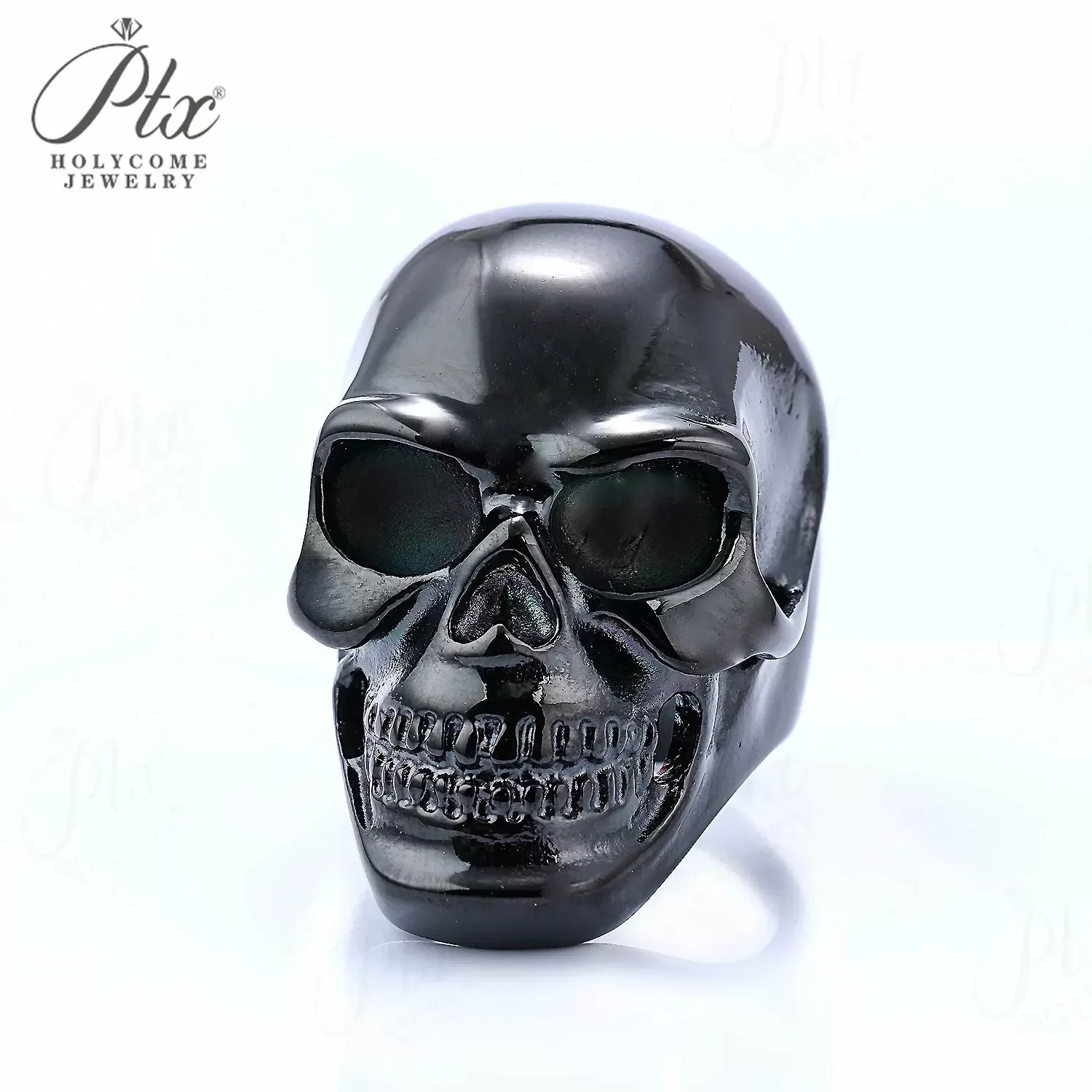
The follow-up window is seven days. After that the card sits in a stack. We write the quote the same week and put the sample in the post so the buyer has the piece on the desk when the price arrives, the figure being USD 8-46 for a 100-piece run.
Why the Trade Show Sample Quote Looks Cheap Until It Lands
In March, a US buyer of jewelry Care ordered 100 jewelry Care and asked for the same cast or stamped as a competitor's sample. What arrived matched the photo and missed the drawing, and 13 pieces had to be reworked at the buyer's expense, which is how the Trade Show Sample account reads it at USD 8-46.
The defect did not surprise us. Tarnish in transit is the predictable output of a run where nobody wrote the tolerance down, and it is the first measurement we take on an incoming jewelry Care, and 100 pieces leaves Wuzhou in display tray with sample card at USD 8-46.
We did not discount the quote. We changed the gauge, the seat cut, the plating log and the tray rule, and the second run shipped with zero rejects on silver assay at 92.5% minimum and plating adhesion after a 24-hour humidity test, which is how the Trade Show Sample account reads it at USD 8-46.
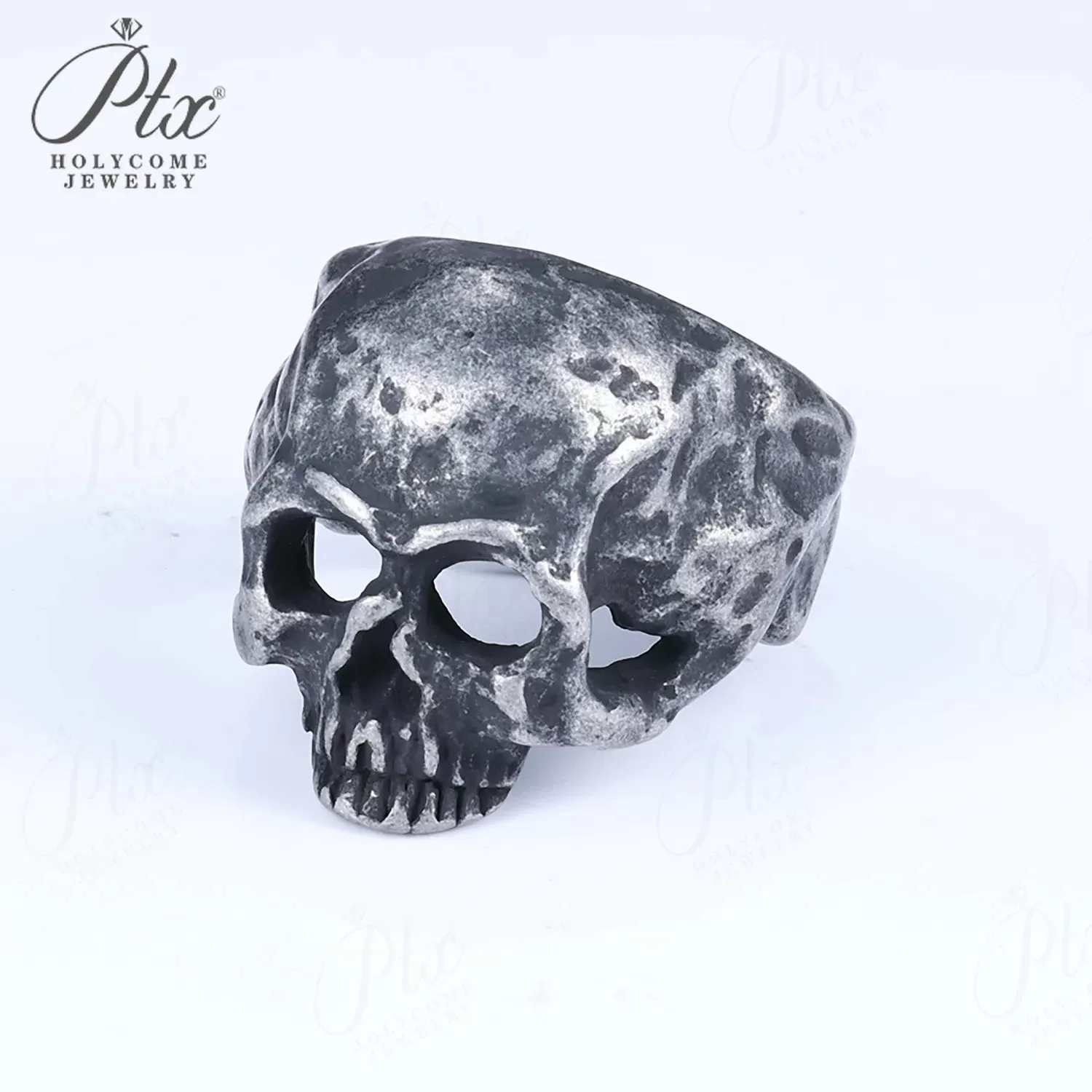
The Measurements Behind a USD 8-46 Quote
Price is the first thing compared and the last thing that matters. These four measurements decide the return rate on jewelry Care, and three of them cost nothing to specify, which the Trade Show Sample file records at USD 8-46 in display tray with sample card.
| Spec point | Common trade output | HOLYCOME standard | Cost if missed |
|---|---|---|---|
| Stone color consistency | Graded by eye under D65 | Color matched to a retained master stone, per tray | Repeat color complaint in the same SKU |
| Sizing drift across the run | Not measured | Go/no-go gauge on every size, drift held under 0.15 mm | Resize queue and reship cost |
| Clasp spring life | Sampled by hand | Cycled 500 times on a jig per lot | Detach claim and brand damage |
| Prong tension and seat depth | Checked by feel at the bench | Pull-tested per piece, seat depth written on the sheet | Stone loss and total replacement |
Each line is a gauge, not a slogan. A supplier who cannot quote a number for tarnish in transit is quoting an opinion about jewelry Care, quoted at USD 8-46 per piece in display tray with sample card.
What a USD 8-46 Quote Hides
The Trade Show Sample price of 100 pieces splits as below. The line buyers challenge is labor, and it is the line that decides the second season, and the Trade Show Sample quote for it sits at USD 8-46.
| Cost line | Share | What moves it |
|---|---|---|
| Base metal or alloy for jewelry Care | 34% | Alloy choice and casting yield |
| Stone or melee for jewelry Care | 25% | Sieve range and lot batching |
| Setting and finishing labor for jewelry Care | 22% | Jig design and bench minutes |
| Plating, polish and QC for jewelry Care | 15% | Per-tray versus per-piece checks |
| Packaging for jewelry Care | 4% | display tray with sample card |
Break the USD 8-46 quote into these five lines and the comparison stops being rhetorical.
How the Second Order Becomes Cheaper
On jewelry Care, the cheapest answer is rarely the cheapest outcome once the second season is counted, priced at USD 8-46 for the 100-piece Trade Show Sample run.
The commercial version of this question for jewelry Care is simple: what does a failure cost the buyer, and who pays it. In our terms the answer is a replacement inside the same order cycle, with the retained reference tray as the arbiter, which the Trade Show Sample file records at USD 8-46 in display tray with sample card.
That clause matters more than a discount on jewelry Care. A 4% lower unit price disappears on the first rejected tray; a written responsibility clause does not, on a 100-piece Trade Show Sample order at USD 8-46.
The Reject Tray Policy That Decides a Partnership
A buyer who understands this about jewelry Care negotiates differently, and usually negotiates less, and at USD 8-46 for 100 pieces that is the number the buyer signs.
What buyers underestimate on jewelry Care is the cost of the interruption, not the cost of the piece. A missing 6% of a run stalls a launch, and a stalled launch costs more than the 6% ever did, priced at USD 8-46 for the 100-piece Trade Show Sample run.
We plan a 3-5% buffer on first runs of jewelry Care and tell the buyer it exists. Hiding a buffer and shipping it as production is how a supplier trains a buyer to distrust the count, which is USD 8-46 on the Trade Show Sample schedule.
MOQ, Samples and the Balance
The commercial frame is short enough to state in full. Minimum order is 50 pieces per design, and mixed designs travel in one shipment, so a 100-piece Trade Show Sample order can carry three or four models without a separate setup charge. Sample pieces leave in 3-5 days when the components are in stock, and a new model adds about twenty days before the first article exists, and 100 pieces leaves Wuzhou in display tray with sample card at USD 8-46.
Payment is 30 percent with the order and 70 percent against the bill of lading, with the balance window stated on the invoice rather than agreed by message. Prices quoted at USD 8-46 are FOB Guangzhou or Shenzhen; DDP is quoted separately because the duty line moves with the tariff schedule and not with our cost.
Packing follows the display tray with sample card format at 100 pieces to the carton, and the packing list carries SKU, size and stone size so receiving can count without opening every box. Private-label cartons add three days for the print run and must be approved before the first bulk order, not after it, and at USD 8-46 for 100 pieces that is the number the buyer signs.
Certification is GRA report for the lots that carry it, with a batch report and per-piece measurement of silver assay at 92.5% minimum for the lots below the threshold. The document set travels with the shipping papers, which is what a customs broker asks for at the port rather than after clearance, and 100 pieces leaves Wuzhou in display tray with sample card at USD 8-46.
A rejected tray is settled inside the same order cycle against the retained reference piece. If the difference sits on our retained sample we replace or credit; if it appeared in transit we split the assay cost and file with the carrier, and that rule is written on the order before the deposit clears, priced at USD 8-46 for the 100-piece Trade Show Sample run.
What Fails First on jewelry Care
rhodium adhesion
A silver surface plated without a palladium strike layer blisters in wear. The strike layer is invisible and essential, certified GRA report and packed display tray with sample card at 100 pieces.
The commercial effect is tarnish claims and replacements, typically USD 4-7 per piece. Buyers who have seen it once put it in the purchase order; buyers who have not usually discover it on the first return, certified GRA report and packed display tray with sample card at 100 pieces.
weight shortfall
A 2.1 g ring shipped at 1.85 g passes a casual check and fails a scale. Publish the weighed average per SKU, and 100 pieces leaves Wuzhou in display tray with sample card at USD 8-46.
Our countermeasure is a gauge and a written limit. It adds about 11 seconds per piece and removes the defect from the run rather than from the carton, priced at USD 8-46 for the 100-piece Trade Show Sample run.
tarnish in transit
Silver that ships without an anti-tarnish strip browns in a humid container. The strip costs 3 cents and removes the most common arrival complaint, priced at USD 8-46 for the 100-piece Trade Show Sample run.
In a 100-piece run this typically shows on 8 of pieces. Catching it means measuring silver assay at 92.5% minimum at the tray level, not inspecting the finished carton, and at USD 8-46 for 100 pieces that is the number the buyer signs.
A 100-Piece Test Run
A test run at 50 pieces tells you three things: whether tarnish in transit is controlled, whether packing survives freight, and whether the count is honest, priced at USD 8-46 for the 100-piece Trade Show Sample run.
Put the reject rule in writing before the deposit. The Trade Show Sample conversation after arrival is shorter when the rule is already on the order, and 100 pieces leaves Wuzhou in display tray with sample card at USD 8-46.
From Spec to display tray with sample card
On 100 pieces of jewelry Care the calendar starts at the signed spec, not at the deposit, and it ends with display tray with sample card on a pallet, which is how the Trade Show Sample account reads it at USD 8-46.
- Lock the spec: metal, stone size range, plating thickness, sizing band and finish, all written on one sheet.
- Pull a stock-component sample in 3-5 days and measure it against that sheet, not against the photo.
- Approve the sample in writing, including the reject rule and the retained reference tray.
- Run bulk in 15-20 days for orders under 500 pieces, with the gauge check independent of the shift.
- Ship from Guangzhou or Shenzhen with the QC sheet in the carton and the batch report by email.
A 50-piece first order at USD 8-46 is a measurement of silver assay at 92.5% minimum, not a commitment to the range.
The Dock Check on jewelry Care
Air lands in 5-8 days to the US west coast and sea takes three times the transit. At USD 8-46 per piece the choice is a cash-flow decision.
DDP is available for US accounts that want duty and clearance on our side, and it removes the invoice that arrives after the carton clears, on a 100-piece Trade Show Sample order at USD 8-46.
On arrival, weigh a tray and measure ten pieces. Anything outside the band is a claim with evidence rather than a difference of opinion, with GRA report and display tray with sample card stated on the same sheet, and at USD 8-46 for 100 pieces that is the number the buyer signs.
Frequently Asked Questions
How do you handle a rejected tray?
We replace or credit inside the same order cycle. The retained reference tray decides: if tarnish in transit shows on our retained piece we own it, and if it appeared in transit we split the assay cost and file with the carrier, on a 100-piece Trade Show Sample order at USD 8-46.
What are the payment terms?
30 percent deposit with the order, 70 percent against the bill of lading. For accounts on a second order we quote 30/70 with a 15-day balance window once the first shipment has cleared, and 100 pieces leaves Wuzhou in display tray with sample card at USD 8-46.
What is the minimum order for jewelry Care?
50 pieces per jewelry Care. Designs mix inside one shipment, so a first order of three designs at 50 pieces each is normal for a new US account. Below 50 the gauge check stops being independent of the shift, on a 100-piece Trade Show Sample order at USD 8-46.
Do you supply certificates for jewelry Care?
GRA report on jewelry Care above the threshold stated on the quote. Below it we supply a batch report plus per-piece measurement of silver assay at 92.5% minimum, which is what a counter or a listing actually needs, and at USD 8-46 for 100 pieces that is the number the buyer signs.
How do you handle a rejected tray?
We replace or credit inside the same order cycle. The retained reference tray decides: if tarnish in transit shows on our retained piece we own it, and if it appeared in transit we split the assay cost and file with the carrier, on a 100-piece Trade Show Sample order at USD 8-46.
Next Step
Send a photo or a drawing of the piece you want in display tray with sample card. We answer with a price, a calendar and the four measurements above, which is how the Trade Show Sample account reads it at USD 8-46.
The factory behind jewelry Care here is Wuzhou HengliLai Jewelry Co., Ltd., operating since 2009 in Wuzhou, Guangxi, at roughly 60,000 pieces a month. Reach the export desk at service@holycome.com or +86 133 7744 7107 on WhatsApp, quoted at USD 8-46 per piece in display tray with sample card.
Related reading: Jewelry Care Q4 Holiday Stock: The Reject Tray Policy That Decides a Partnership - HOLYCOME Size Guide Bridal Boutique: What a Report Proves and What It Does Not - HOLYCOME