Jewelry Photography Tips for Online Sales
Jewelry Photography That Sells
In online jewelry sales, photos are everything — customers can't touch or try on the piece, so photos must convey quality, beauty, and scale. Great photography increases conversions, reduces returns, and builds brand trust. This guide covers practical tips for taking jewelry photos that sell.
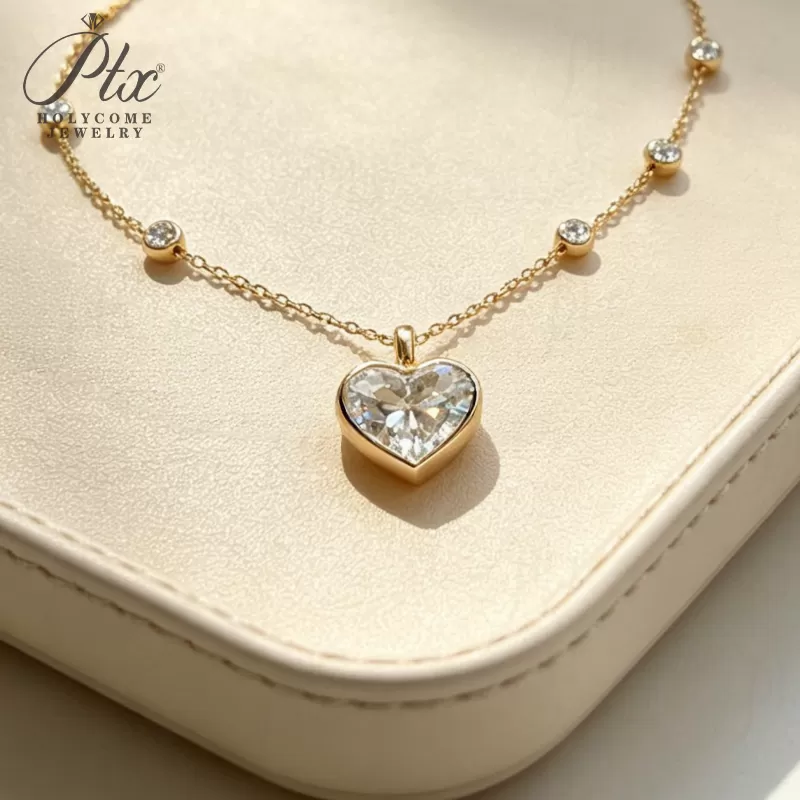
Essential Equipment
Camera: DSLR/mirrorless with macro lens (100mm macro ideal) for detail shots. A smartphone (iPhone 12+/Samsung S20+) can produce excellent results with proper lighting and editing.
Lighting: Natural light (near a window, indirect) is the best free option. For consistent results: LED light panel (5500K daylight balanced) or a light tent. Avoid direct flash (creates harsh reflections on metal and stones).
Tripod: Essential for sharp photos, especially macro shots. Even a small tabletop tripod works.
Background: White acrylic sheet (clean, reflective), marble slab (elegant), velvet (luxurious), or natural wood (warm). Keep backgrounds simple — the jewelry should be the star.
Props: Ring holder, necklace bust, hand model, styling surfaces. Use sparingly to avoid distraction.
Lighting Techniques
Soft, diffused light: The key to jewelry photography. Use a light tent, diffuser, or shoot near a window with a white curtain. Soft light minimizes harsh reflections and shows metal/stone detail.
Side lighting: Place light at 45° to the jewelry. This creates dimension and highlights texture. Frontal lighting flattens the image.
Backlighting: For translucent stones, place light behind to show color and clarity (per GIA's diamond grading standards).
Sparkle capture: To capture diamond/moissanite sparkle, use a small, direct light source (LED pen light) in addition to soft main light. The point light creates reflections in facets.
Avoid: Mixed lighting (different color temperatures cause color casts), overhead fluorescent (green cast), and direct sunlight (harsh shadows).
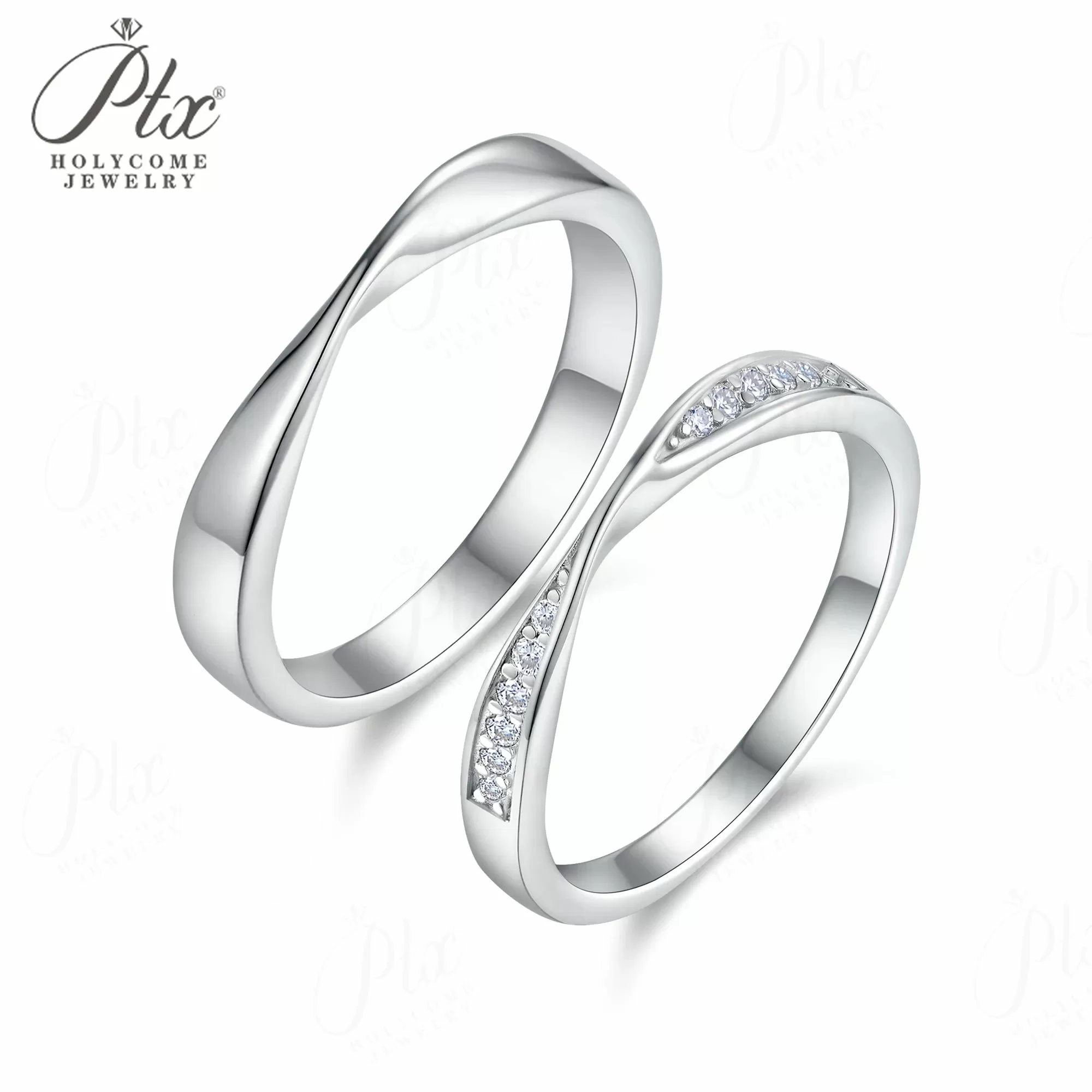
Photo Types Every Listing Needs
Hero shot: Clean white background, product centered, well-lit. The main image.
Detail/macro: Close-up showing stone brilliance, metal texture, craftsmanship. Use macro lens.
Scale/size: Jewelry on a hand model, next to a coin, or with measurements. Customers need to understand size.
Lifestyle/styled: Jewelry worn or styled in context. Helps customers imagine wearing it.
Back/side: Show all angles, especially for rings (side view shows setting height).
Packaging: Show what customers receive (box, pouch) — builds perceived value.
Styling Tips
Keep compositions clean and uncluttered. Use odd numbers (1, 3, 5 pieces) for visual balance. Layer necklaces to show styling ideas. Stack rings to demonstrate mix-and-match. Use a hand model for rings/bracelets (real hands connect with customers). Keep nails clean and neutral if using hand models. Consistent styling across all product photos builds brand recognition.
Editing for Consistency
Background: Clean up to pure white (use Levels/Curves in Photoshop or free tools like Photopea).
Color correction: Ensure metal color is accurate (white gold shouldn't look yellow). Use a gray card for white balance.
Sharpening: Apply subtle sharpening to details (don't over-sharpen — creates halos).
Consistency: Use the same editing preset for all product photos. Consistent brightness, color, and background.
Retouching: Remove dust, scratches, and fingerprints. Keep retouching natural — don't alter the product's actual appearance (misleading photos cause returns).
Mobile Photography Tips
Use portrait mode for depth. Clean the lens. Use natural light. Tap to focus and adjust exposure (slide down slightly to avoid overexposing shiny metal). Use a tripod or steady surface. Edit with Snapseed or Lightroom Mobile. Modern smartphones can produce professional-quality jewelry photos with proper technique.
Holycome's Product Photography
We provide professional product photos for all our jewelry — white background, detail shots, and lifestyle images. Wholesale customers receive photo packages for e-commerce use. Custom photography available for OEM/ODM orders. Ask about our photo services when placing your order.
Browse our jewelry collection — professionally photographed for your sales.
Related Articles
Frequently Asked Questions
How do I verify a factory before placing a bulk order?
Request a production video, business license, export records and a paid sample run. A factory that accepts a 50-piece test order is usually a real manufacturer.
What payment terms do you offer?
30% T/T deposit with the balance against the bill of lading. This protects both sides on first orders and can move to net terms after a track record.
What is your normal reject rate?
3–5% under 10x loupe inspection for cast and set pieces. Defective units are replaced free in the next shipment.
Where is the factory located?
Wuzhou, Guangxi, China—the core lab-grown and moissanite manufacturing cluster. Shipments go via Guangzhou or Shenzhen ports.