Jewelry Parcel Shipping Insurance Guide
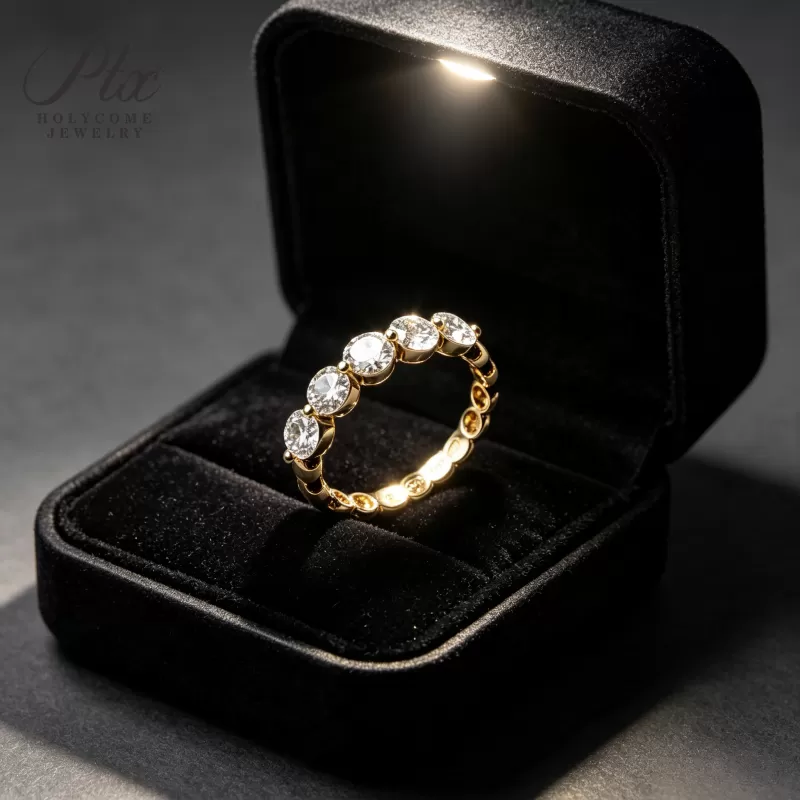
A 3,000 USD parcel of moissanite studs clears customs and vanishes in the last-mile scan. You file a claim with the courier and receive 120 USD, because that is the default liability cap for a small parcel shipped without declared value. The box is gone, the studs are gone, and the supplier is not responsible because Incoterms delivered the parcel to your door. This is the most expensive lesson a new wholesale jewelry buyer learns, and it is entirely avoidable. Shipping insurance for jewelry is a different product from the default courier cover, and the difference is the difference between a refund and a write-off.
What the courier covers by default
DHL, FedEx and UPS default liability covers roughly 100 USD per parcel, or a per-kilogram amount that works out to even less for a small dense jewelry box. That default is not insurance for jewelry; it is a legal floor. To raise the cover you must declare the parcel value at booking, pay the per-100-USD premium, and provide an invoice proving that value. Declared value is not the same as automatic cover: the courier will still deny a claim if the packaging is deemed inadequate, if the box shows no sign of damage, or if the signature requirement was waived. For the carrier comparison behind that choice, our DHL versus FedEx guide walks through transit times and surcharges.
What third-party cargo insurance adds
Specialist jewelry cargo insurers underwrite the parcel independently of the courier, and they cover the gaps the courier will not: non-delivery after a clean scan, theft from a mailbox, and loss in customs. The premium runs about 0.8 to 1.5 percent of declared value for a documented commercial parcel, and the policy usually requires a signature on delivery. The FTC jewelry guides do not cover shipping, but they do require that any value you declare matches the invoice you hold, so never inflate the declared value above the commercial invoice.
Packaging is part of the policy
Insurers and couriers both reject claims where the packaging looks like a consumer gift box. A jewelry parcel shipped wholesale should be a plain double-wall corrugated box, with the pieces in a sealed inner pouch, void-filled so nothing moves, and no visible jewelry branding on the outside. The invoice inside should show the commercial value, not a retail price tag. For packing standards that survive a 25-day sea crossing, our bulk jewelry packing guide lists the box grades and anti-tarnish paper to use.
The claim paperwork you need before the box leaves
Before the supplier hands the parcel to the courier, ask for four documents: the commercial invoice with itemized value, the parcel weight and dimensions, a photo of the sealed outer box, and the tracking number. Keep all four in a folder. If the parcel goes missing, the claim is paid only when those four documents line up. Most buyers who lose a shipment can produce the invoice but not the sealed-box photo, and that missing photo is what reduces the payout. For returns and damage claims after delivery, our factory returns policy guide covers the other half of the risk.
Air versus sea, and when each needs more cover
Air parcels move in three to seven days, so the window where a box can be lost is short, but the per-parcel value is high. Sea cartons move in 25 to 40 days and sit in several warehouses along the way, which raises the theft exposure even though the per-carton unit value is lower. Air cover above 5,000 USD is worth the premium; sea cover is worth it above about 10,000 USD per carton, because a single carton at sea is harder to trace than an air parcel with hourly scans. For the carrier choice behind either mode, our DHL versus FedEx guide compares transit times and the surcharges that quietly change the landed cost.
What happens when a claim is actually filed
A filed claim takes four to eight weeks to settle, and only if the paperwork is complete. The insurer asks for the commercial invoice, the tracking history, the delivery photo or the non-delivery scan, and the sealed-box photo you took before shipping. Without the sealed-box photo, most insurers pay only a fraction of the declared value. The FTC jewelry guides do not govern freight claims, but they do require that the invoice value you declare matches the metal and stone content you actually shipped, so keep the packing list honest.
Is declared value the same as insurance?
No. Declared value raises the courier's liability cap but still excludes theft without visible damage and requires perfect packaging. Specialist cargo insurance covers those gaps for roughly 1 percent of value.
What is the right declared value for a wholesale parcel?
The commercial invoice value, no more. Declaring retail value inflates the premium and gives the insurer a reason to reject the claim on paperwork mismatch.
Should I insure sea freight shipments?
Yes, above about 5,000 USD. Sea freight default cover is even lower than air, and a lost sea carton is a multi-thousand-dollar problem. The premium is small relative to the cargo value.
Do I need a signature on delivery?
Always. A released-to-front-door shipment that vanishes after delivery is almost never covered. Pay the extra few dollars for a signature-required service.
Shipping a parcel you cannot afford to lose? HOLYCOME ships every wholesale jewelry order with itemized invoices, sealed-box photos and signature-required courier service, and can connect you with a specialist cargo insurer for high-value parcels. Send your next order value and destination, and we will quote the insured shipping option before it leaves Wuzhou.
Frequently Asked Questions
How do I verify a factory before placing a bulk order?
Request a production video, business license, export records and a paid sample run. A factory that accepts a 50-piece test order is usually a real manufacturer.
What payment terms do you offer?
30% T/T deposit with the balance against the bill of lading. This protects both sides on first orders and can move to net terms after a track record.
What is your normal reject rate?
3–5% under 10x loupe inspection for cast and set pieces. Defective units are replaced free in the next shipment.
Where is the factory located?
Wuzhou, Guangxi, China—the core lab-grown and moissanite manufacturing cluster. Shipments go via Guangzhou or Shenzhen ports.