Jewelry Stone Setting for Wholesale Buyers
The Art of Stone Setting
Stone setting is the jewelry making technique that secures gemstones into metal settings. It's a skilled craft that requires precision, patience, and the right tools. Different setting styles offer different aesthetics and security levels. This guide covers the most common setting techniques and how to execute them.
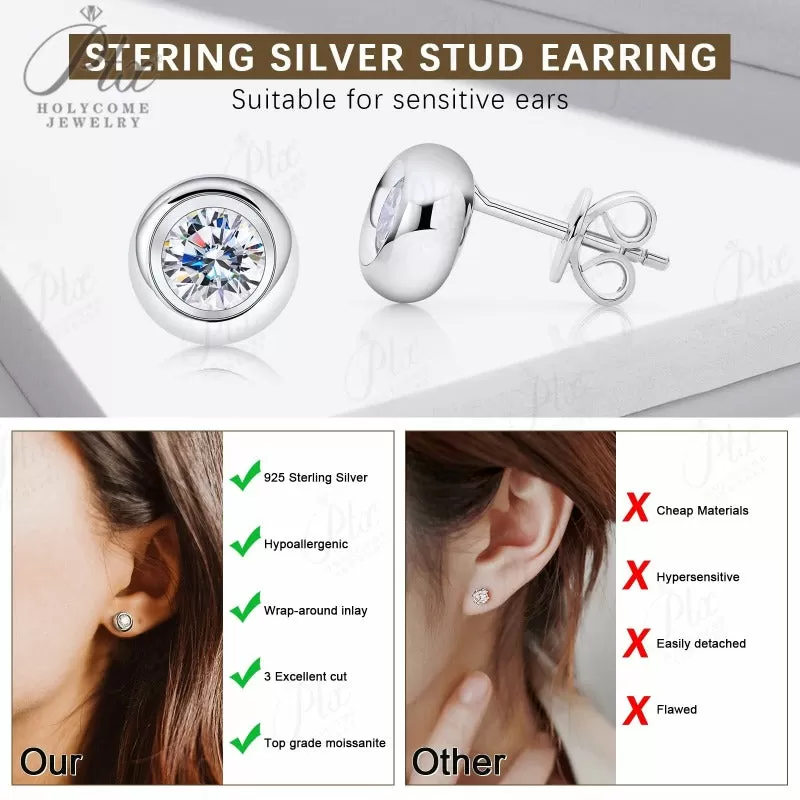
Prong Setting
The most common setting style — metal prongs (claws) grip the stone by its girdle. Typically 4 or 6 prongs.
Tools: Prong pusher, bezel rocker, ball punch, chasing hammer, files, flex shaft with burrs.
Process: 1. Seat stone in setting (ensure it sits level). 2. Use prong pusher to bend prongs over the girdle (push opposite prongs alternately for even pressure). 3. Trim prongs to desired length. 4. Round prong tips with cup burr. 5. Polish.
Tips: Don't over-bend prongs (can crack stones). Ensure all prongs contact the stone evenly. Use a loupe to verify no gaps between prong and stone.
Bezel Setting
A metal rim (bezel) surrounds the stone and is pressed over the girdle to secure it. Offers maximum security and a clean, modern look. Popular for cabochons and irregular stones.
Tools: Bezel rocker, bezel pusher, burnisher, files, sanding sticks.
Process: 1. Create bezel from fine silver or gold bezel wire (solder to backplate). 2. Place stone in bezel (ensure tight fit). 3. Use bezel rocker to push metal over stone edge (work from opposite sides, rotating). 4. Burnish the bezel edge smooth. 5. File and polish.
Tips: Bezel should fit snugly around the stone (too loose = stone moves). Use fine silver bezel (softer, easier to push). For faceted stones, ensure the bezel height covers the girdle but not too much of the crown.
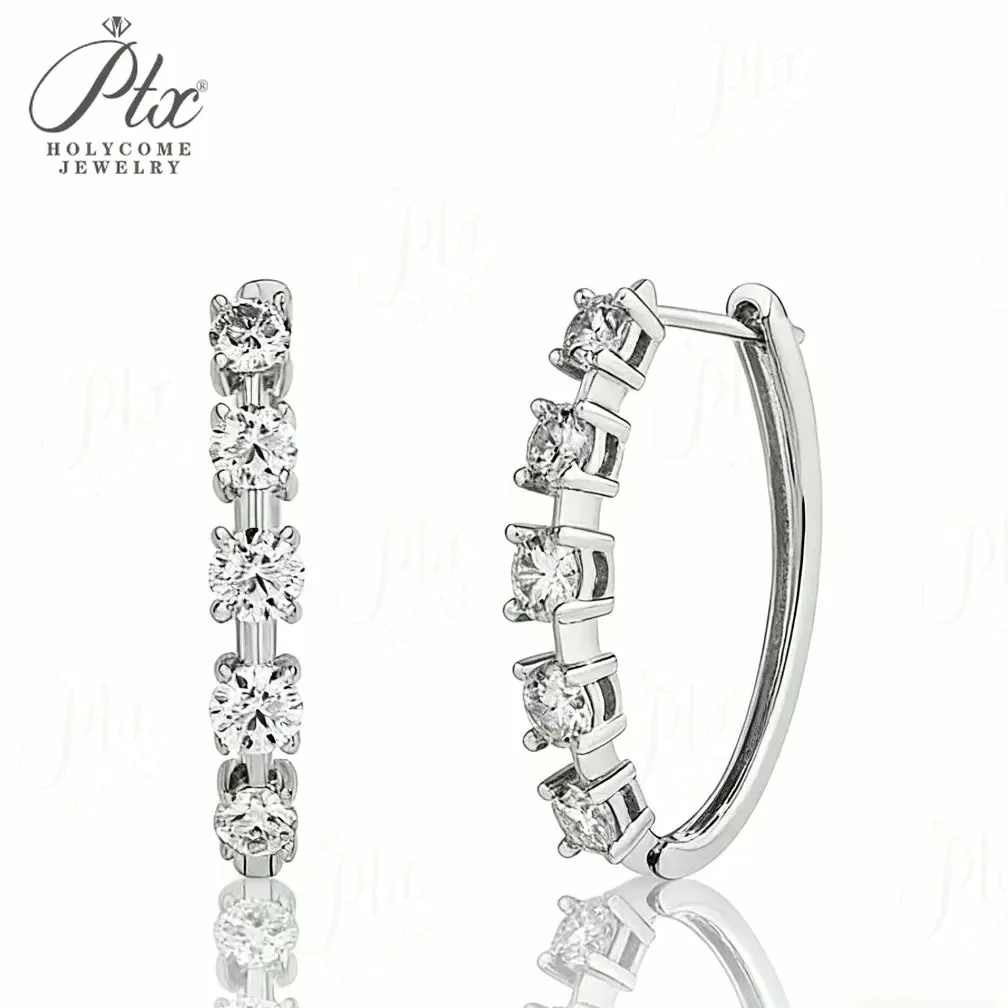
Pavé Setting
Small stones set close together, held by tiny prongs (beads), creating a "paved" surface of sparkle. Common on ring bands, halos, and earrings.
Tools: Graver (flat and onglette), bead setter, burnisher, flex shaft with setting burrs, loupe.
Process: 1. Drill holes for each stone. 2. Burr seats (use hart burr to create a seat at the correct depth). 3. Place stones (ensure all are level and same height). 4. Use graver to raise metal beads between stones. 5. Use bead setter to round beads and push against stones. 6. Burnish and polish.
Tips: Layout is critical — use a scribe to mark precise positions. Stones must be uniform size. Pavé requires magnification (loupe or microscope). Practice on copper/silver before precious metals.
Channel Setting
Stones set between two metal walls (channels), with no prongs visible. Clean, modern, secure. Popular for wedding bands and tennis bracelets.
Tools: Channel setter, hammer, files, flex shaft, burnisher.
Process: 1. Cut channel in metal (or use pre-made channel setting). 2. Seat stones in channel (all same size, level). 3. Use channel setter to hammer walls over stone girdles. 4. File walls smooth. 5. Polish.
Tips: Stones must be calibrated (uniform size). Channel walls must be parallel. Don't over-hammer (can crack stones).
Flush (Gypsy) Setting
Stones set into a hole drilled in metal, sitting flush with the surface. Clean, durable, modern. Popular for men's rings and accent stones.
Tools: Drill, setting burr (hart or 90°), burnisher, hammer, punch.
Process: 1. Drill hole slightly smaller than stone. 2. Burr seat (stone table should be level with metal surface). 3. Place stone in seat. 4. Use burnisher or punch to push metal around stone edge (secures girdle). 5. Polish.
Tips: Seat depth is critical — stone must sit flush. Use a 90° hart burr for clean seats. Don't push too hard (can crack stones).
General Setting Tips
Always use a loupe (10x minimum) for setting work. Secure pieces in a ring clamp or shellac. Work slowly — rushing causes mistakes and broken stones. Practice on cheap stones (CZ, glass) before expensive gems. Keep tools sharp — dull gravers and burrs produce poor results.
Holycome's Setting Expertise
Our factory's master setters have years of experience setting moissanite, lab diamonds, and gemstones in every setting style. Every stone is verified secure under magnification before shipping. We offer custom setting services for OEM/ODM orders — bring us your designs and we'll handle the setting.
Request custom stone setting — professional setting from our factory.
Related Articles
Authoritative References
For buyers who need to verify the technical and regulatory basis of this guide, the following independent institutions publish authoritative reference data:
- GIA Gem Encyclopedia - independent grading and identification reference for natural and lab-grown gems.
- Wikipedia: Moissanite - peer-reviewed background on moissanite chemistry, optics and history.
Frequently Asked Questions
How do I verify a factory before placing a bulk order?
Request a production video, business license, export records and a paid sample run. A factory that accepts a 50-piece test order is usually a real manufacturer.
What payment terms do you offer?
30% T/T deposit with the balance against the bill of lading. This protects both sides on first orders and can move to net terms after a track record.
What is your normal reject rate?
3–5% under 10x loupe inspection for cast and set pieces. Defective units are replaced free in the next shipment.
Where is the factory located?
Wuzhou, Guangxi, China—the core lab-grown and moissanite manufacturing cluster. Shipments go via Guangzhou or Shenzhen ports.