Caring for Lab Diamond Jewelry
Lab diamonds are real diamonds — just as hard, brilliant, and durable as mined diamonds. Their care is identical to mined diamond jewelry. Providing care guidance helps customers maintain their jewelry's beauty and reduces returns from damage. This guide covers everything your customers need to know.
Daily Wear Tips
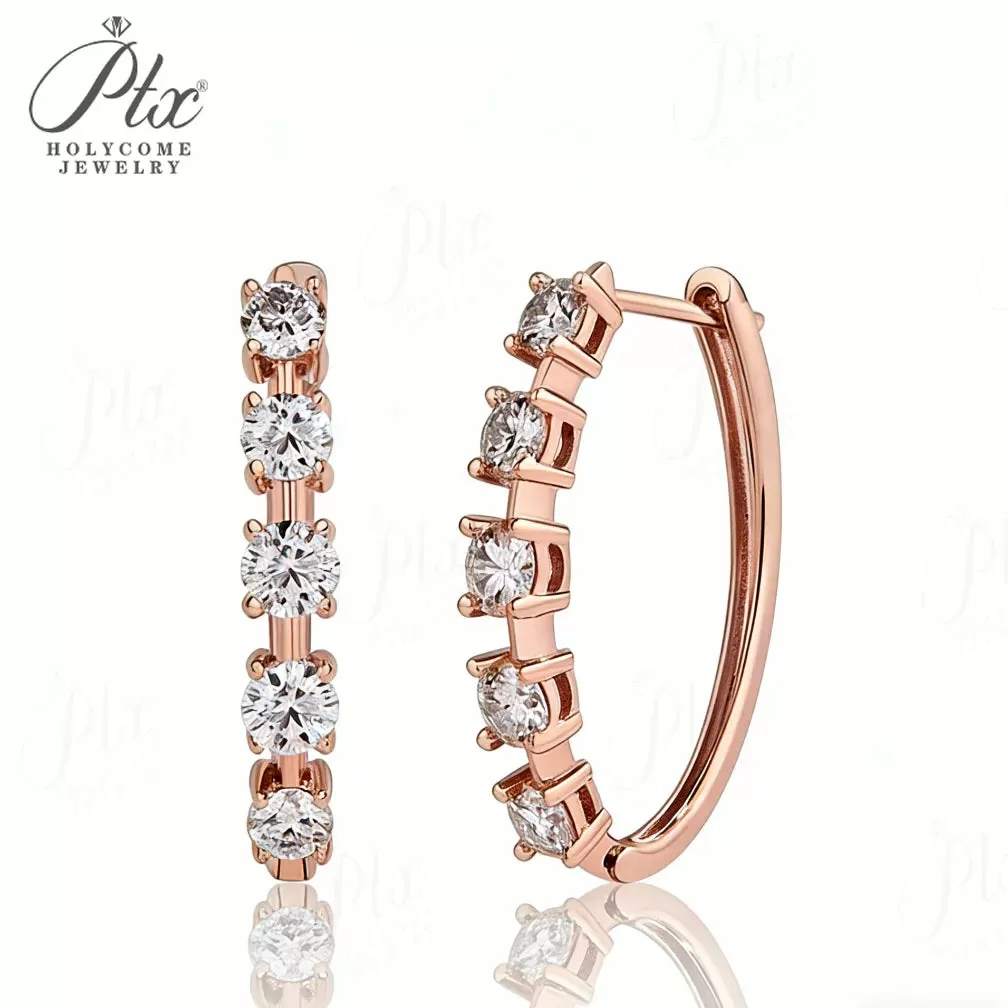
Lab diamonds score 10 on the Mohs scale — the hardest natural material. They're suitable for everyday wear, but remove jewelry before: swimming (chlorine can damage metal settings), showering (soap buildup dulls sparkle), exercising (impact can loosen prongs), applying cosmetics (perfume, lotion, hairspray can coat stones), and cleaning (harsh chemicals). Put jewelry on last and take it off first.
Cleaning Lab Diamonds
Method 1: Warm water + mild dish soap, soak 15-30 minutes, gently brush with soft toothbrush (get behind stones where dirt collects), rinse, pat dry. Method 2: Commercial diamond/jewelry cleaner (follow instructions). Method 3: Ultrasonic cleaner (safe for diamonds — the vibrations dislodge dirt. Avoid if stones are loose or if jewelry has pearls/opal). Method 4: Professional steam cleaning (most effective, done by jeweler). Clean every 2-4 weeks for maximum brilliance.
Why Diamonds Get Dull
Diamonds naturally attract grease and oil from skin, cosmetics, and food. This film coats the stone's facets, reducing brilliance and fire. Regular cleaning removes this buildup. A clean diamond is dramatically more brilliant than a dirty one — customers often don't realize how dull their ring has become until it's cleaned.
Prong and Setting Maintenance
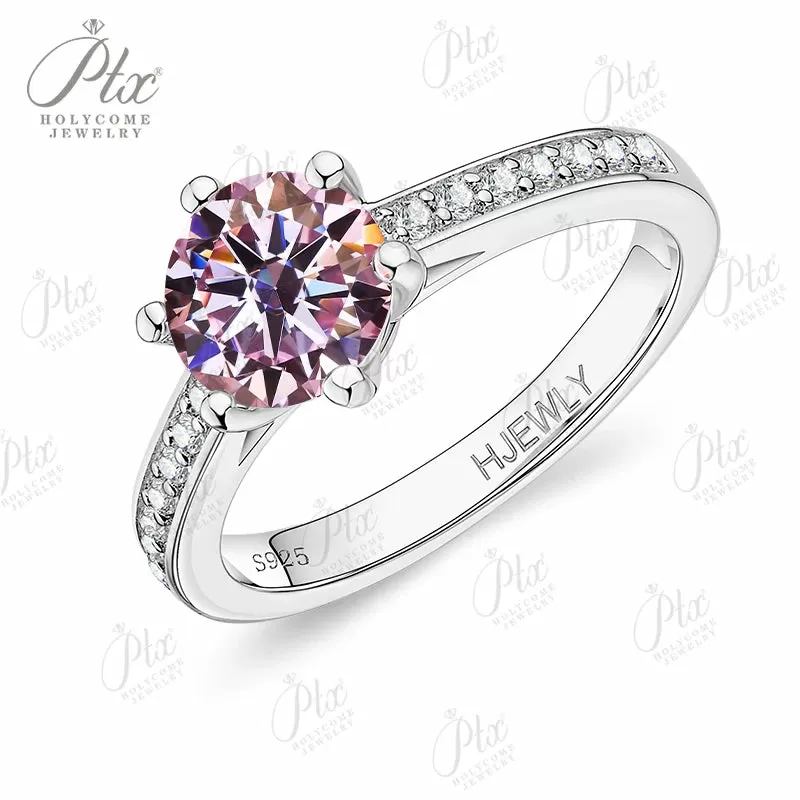
The most common issue with diamond jewelry is loose stones — prongs wear down or bend with daily wear, and stones can fall out. Prevention: have prongs checked and tightened annually by a jeweler. Stop wearing the piece if a stone feels loose. Avoid hitting rings against hard surfaces. Pavé settings (small stones) need more frequent checks (small prongs wear faster).
Storage Best Practices
Store each piece separately in soft pouches or lined jewelry boxes — diamonds can scratch other jewelry (and each other). Keep engagement rings in a dedicated ring holder. Store away from direct sunlight and humidity. For travel, use a jewelry roll or hard case to prevent damage. Don't toss diamond jewelry into a shared jewelry box — it will scratch other pieces.
Common Problems and Solutions
Dull stone: Clean with soap/water or professional cleaning. 90% of "dull diamonds" are just dirty.
Loose stone: Stop wearing, have prongs tightened. Don't try to fix at home.
Scratched metal: Professional polishing removes scratches. Gold/platinum can be polished multiple times.
White gold yellowing: Needs rhodium re-plating (normal wear).
Broken prong: Professional repair — don't wear until fixed (stone may fall out).
Professional Maintenance
Recommend annual professional check-ups: prong tightening, stone security inspection, professional cleaning, and metal inspection. Many retailers offer free cleaning and inspection as a customer service perk — it drives repeat visits and upsell opportunities. Consider a maintenance plan for engagement ring customers.
Care Cards Add Value
Include care cards with every lab diamond purchase. Holycome provides custom care cards with your branding. Simple instructions: clean monthly with soap/water, annual professional check-up, remove before swimming/exercising, store separately. This small addition increases perceived value and reduces care-related returns.
Shop lab diamond jewelry — built to last a lifetime with proper care.