Lab Grown Diamond Rings vs Moissanite Rings
The Growing Alternative Diamond Market
As consumers increasingly choose ethical and affordable alternatives to natural diamonds, retailers face a key inventory decision: lab grown diamonds or moissanite? Both offer brilliant, ethical options, but they differ significantly in composition, pricing, and customer appeal. Understanding these differences helps you stock the right mix.
Composition and Origin
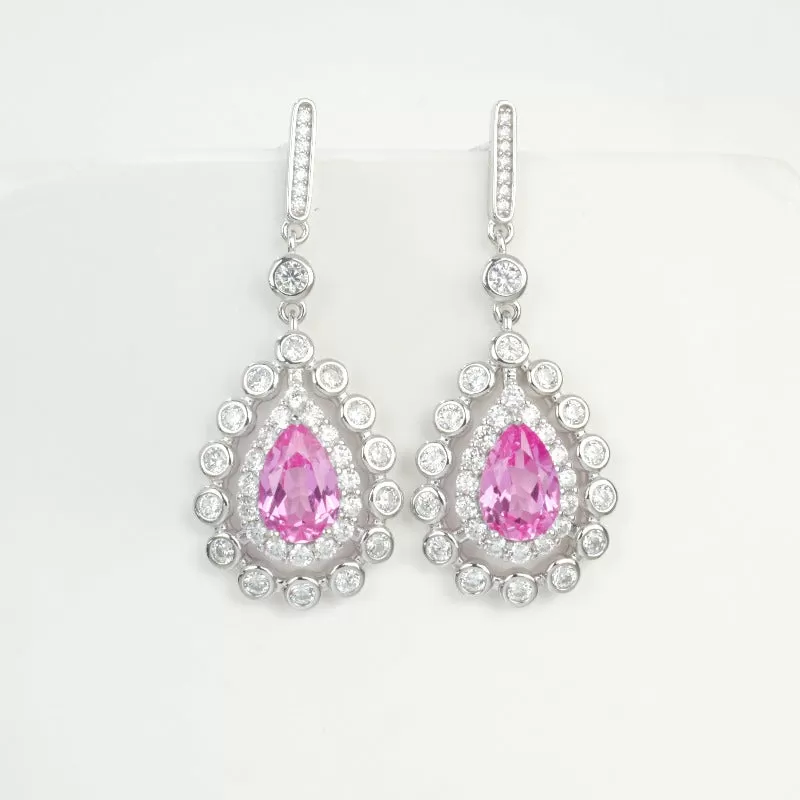
Lab grown diamonds are chemically, physically, and optically identical to mined diamonds — they are real diamonds, created in a laboratory through CVD or HPHT processes. Moissanite is silicon carbide (SiC), a different mineral that was originally discovered in a meteorite. Both are lab-created and ethically sourced.
Brilliance and Fire
Moissanite actually has higher refractive index (2.65 vs 2.42) and dispersion (0.104 vs 0.044) than diamond, meaning it displays more brilliance and fire (color flashes). Some customers love the extra sparkle; others prefer the more subtle, classic look of diamond. Lab diamonds sparkle exactly like natural diamonds.
Price Comparison
Moissanite is significantly more affordable — typically 1/10 to 1/5 the price of a comparable lab diamond. For example, a 1ct moissanite might wholesale for $20-50, while a 1ct lab diamond might wholesale for $300-800 depending on grade. This makes moissanite accessible to budget-conscious shoppers, while lab diamonds appeal to buyers who want "real diamond" status.
Durability and Wear
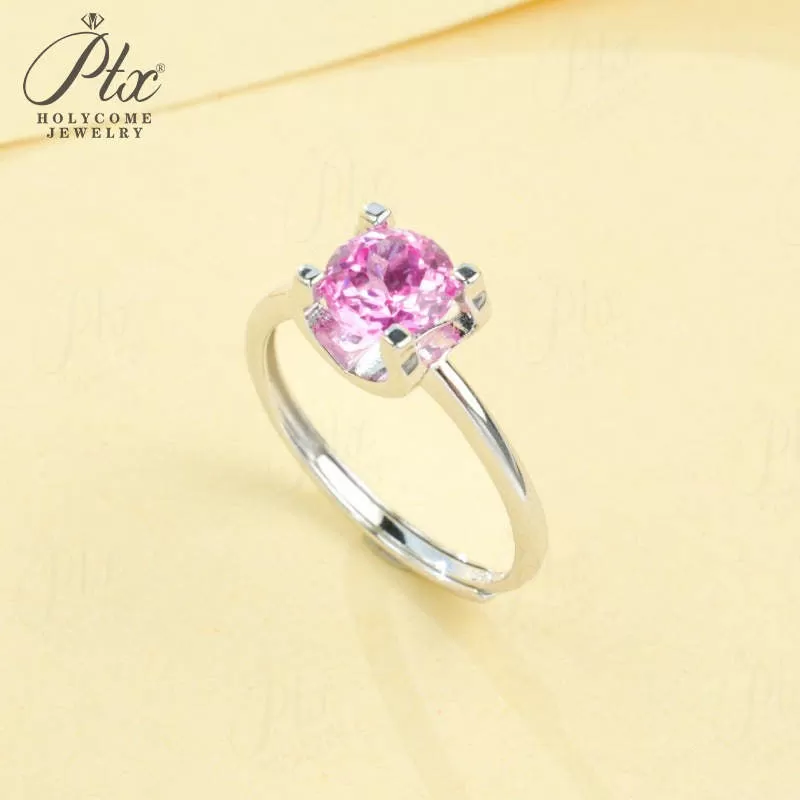
Diamond scores 10 on the Mohs scale; moissanite scores 9.25. Both are durable enough for everyday wear in rings. Moissanite is slightly more prone to scratching but still excellent. Both resist chipping well in protected settings.
Certification
Holycome's moissanite comes with GRA certification. Lab diamonds come with IGI or GIA certification. Both provide grading reports that reassure customers and support higher retail pricing.
Which to Stock?
We recommend carrying both: moissanite for entry-level and fashion rings, lab diamonds for premium engagement lines. Know your customer base — budget-friendly markets favor moissanite; luxury markets seek lab diamonds. Many retailers find success offering both at different price points.
View our moissanite rings and lab diamond rings collections.
Related Articles
Authoritative References
For buyers who need to verify the technical and regulatory basis of this guide, the following independent institutions publish authoritative reference data:
- GIA Gem Encyclopedia - independent grading and identification reference for natural and lab-grown gems.
- Wikipedia: Moissanite - peer-reviewed background on moissanite chemistry, optics and history.
Frequently Asked Questions
Is moissanite a good diamond alternative for retail buyers?
Yes for price-sensitive customers who want brilliance and hardness. Moissanite ranks 9.25 on the Mohs scale, holds up to daily wear and costs a fraction of a natural diamond of the same size, so it resells fast in bridal and fashion lines.
What is the minimum order for wholesale moissanite?
MOQ starts at 50 pieces per design for stock items. Custom cuts and private-label settings usually start at 100–300 pieces depending on the mold.
Do you provide certificates with moissanite stones?
Yes. Every parcel ships with GRA or IGI documentation listing carat weight, color grade and cut. We recommend passing the certificate to your end customer for trust.
How long does sample and bulk production take?
Samples ship in 3–5 days. Bulk runs take 15–20 days under 500 pieces, and 25–30 days for custom work.