The Lab Grown Diamond Revolution
Lab grown diamonds are real diamonds — chemically, physically, and optically identical to mined diamonds. They're created in controlled laboratory environments using advanced technology that replicates the natural diamond-growing process. For jewelry wholesalers, lab diamonds offer an ethical, affordable, and high-quality alternative to mined diamonds.
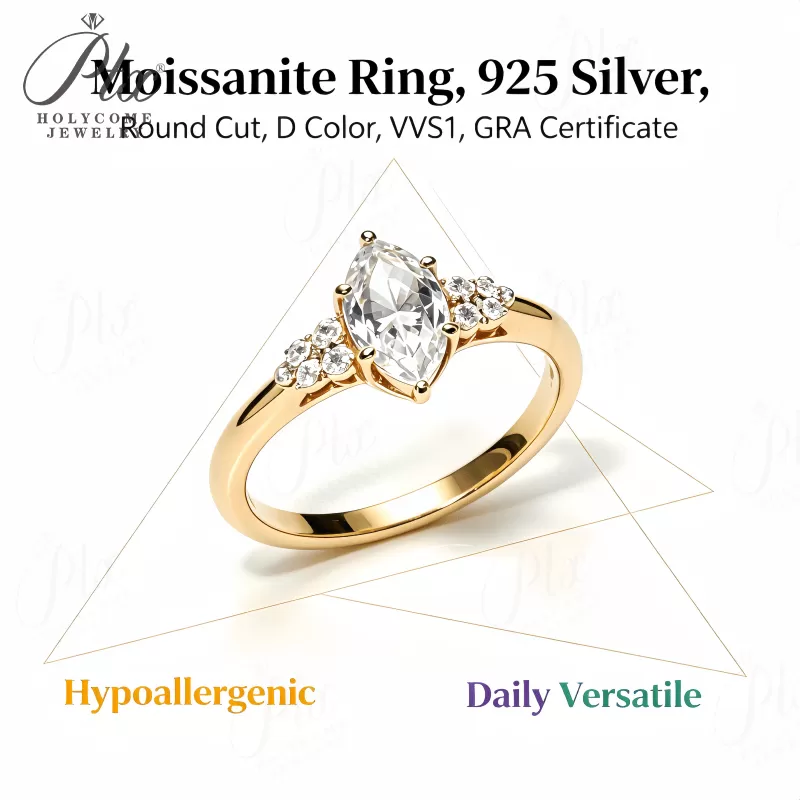
CVD vs HPHT: Two Growth Methods
CVD (Chemical Vapor Deposition): A diamond seed is placed in a vacuum chamber filled with carbon-rich gas. Heat and pressure cause carbon atoms to deposit on the seed, growing the diamond layer by layer. CVD produces high-clarity, colorless diamonds and is the most common method for gem-quality lab diamonds.
HPHT (High Pressure High Temperature): Carbon is subjected to extreme pressure (5-6 GPa) and temperature (1500°C), mimicking natural diamond formation. HPHT can produce large, high-quality diamonds and is also used to enhance the color of existing diamonds. Both methods produce real diamonds — the method doesn't affect the finished stone's quality.
Are Lab Diamonds "Real"?
Yes. Lab grown diamonds are 100% real carbon diamonds with the same physical, chemical, and optical properties as mined diamonds. They have the same hardness (10 Mohs), brilliance, fire, and scintillation. Only specialized laboratory equipment can distinguish lab from mined diamonds. The FTC (US) and regulators worldwide recognize lab diamonds as genuine diamonds.
Quality Grading
Lab diamonds are graded using the same 4Cs as mined diamonds: Cut (excellent, very good, good), Color (D-Z, with D-F being colorless), Clarity (FL-I3, with VVS-VS being eye-clean), and Carat weight. Holycome's lab diamonds are typically D-F color, VVS-VS clarity, and excellent cut — comparable to premium mined diamonds. Each stone comes with IGI or GIA certification.
Certification
Reputable lab diamonds come with certification from IGI (International Gemological Institute) or GIA (Gemological Institute of America). The certificate includes: stone identification (lab grown), 4Cs grading, measurements, polish/symmetry, and a unique report number. Certification verifies quality and supports retail pricing. Always source certified lab diamonds — uncertified stones may have undisclosed treatments.
Price Advantage
Lab diamonds cost 30-50% less than comparable mined diamonds. A 1ct D-F VVS lab diamond: $500-800 wholesale. A comparable mined diamond: $4,000-8,000+. This price advantage makes diamond jewelry accessible to more customers and allows retailers to offer larger stones at lower price points. Lab diamonds also have more stable pricing (not subject to De Beers supply control).
Ethical and Environmental Advantages
Lab diamonds require no mining — eliminating concerns about conflict diamonds, worker exploitation, and environmental destruction. They use significantly less energy and water than mining. This resonates with eco-conscious consumers, especially Millennials and Gen Z who prioritize sustainability. Lab diamonds are the ethical choice for customers who want real diamonds without the ethical concerns.
Market Growth and Demand
Lab grown diamond engagement ring sales have grown from 1% (2016) to 20%+ (2024) of the engagement ring market, with projections of 30%+ by 2027. Major retailers (Signet, Pandora, Brilliant Earth) now prominently feature lab diamonds. Early adopters of lab diamond inventory are capturing market share. The market is shifting — lab diamonds are becoming mainstream, not niche.
Inventory Strategy
Stock lab diamonds for: engagement rings (fastest growing category), premium fashion jewelry, and customers who want "real diamonds" at accessible prices. Offer both lab and mined diamonds — some customers still prefer mined (for resale value or tradition), but lab is growing. Holycome offers lab diamond jewelry with IGI/GIA certification at factory-direct pricing.
Shop lab grown diamond jewelry — certified, ethical, affordable.