Moissanite Jewelry and Sensitive Skin: Green Finger and Irritation Care
A green ring around the finger, an earlobe that itches after wearing studs, or a neckline that turns faint green where a pendant sits: these reactions are among the most common worries people have when they start wearing moissanite jewelry. The good news is that the moissanite itself is almost never the cause. Moissanite is chemically inert, non-porous, and does not react with skin the way metals do. The green or irritation almost always comes from the metal around the stone, from body chemistry, or from a buildup of sweat and cosmetics. Once you understand that, the fixes are simple, and you can wear the jewelry you love without reactions.
This guide explains why jewelry turns skin green, why moissanite is not to blame, how 925 silver behaves on sensitive skin, and the care habits that prevent reactions. It is written from both sides of the workshop floor: for the retail owner who woke up with a green finger and panicked, and for the wholesale buyer who needs to explain the same thing to confused customers. If you want the short version: clean the jewelry regularly to remove sweat and residue, keep the metal dry, choose high-quality sterling silver or plated pieces for sensitive ears, and take jewelry off before bed and before applying lotion. The rest of this article walks through each cause, what is normal, and when a reaction means you should change what you wear.
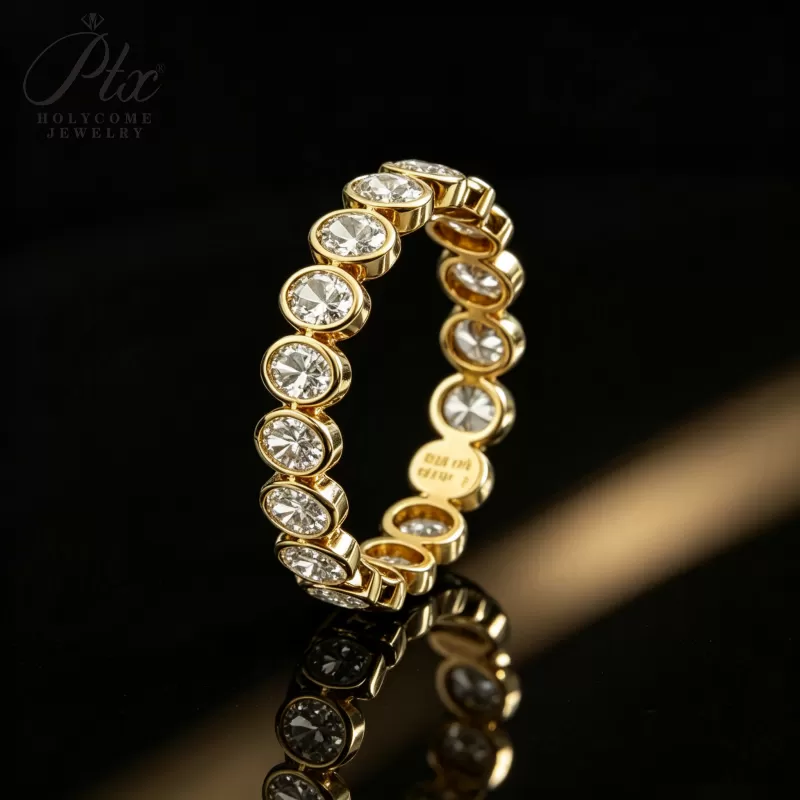
Why Jewelry Turns Skin Green
The green stain that sometimes appears where a ring sits is not an allergy, and it is not rust. It is a chemical reaction between the metal and your skin. Sterling silver and many silver alloys contain copper for strength. When the metal sits against damp skin, especially under sweat, the copper oxidizes and transfers a faint green or dark mark onto the skin. It washes off with soap and water within a day, and it is harmless. It looks alarming, but it is a surface color transfer, not a sign your skin is being damaged.
The reason some people get green skin and others never do comes down to body chemistry. Sweat pH, how much you sweat, what you eat, and what skincare you use all change how the metal reacts. Two people can wear the exact same ring and only one gets the mark. That is not a flaw in the ring and not a flaw in you; it is chemistry. People with more acidic sweat, people who exercise while wearing rings, and people who use sulfur-heavy products are more likely to see it.
The important distinction is between a green stain and a true allergy. A green stain washes off and causes no discomfort. A metal allergy, usually to nickel, causes redness, itching, and swelling that does not wash away. Those are different problems with different solutions, and the next sections cover both.
Moissanite Itself Is Not the Problem
Because the stone is the most visible part of the ring, it is natural to assume a skin reaction comes from it. It does not. Moissanite is a lab-grown silicon carbide crystal that is completely inert against skin. It does not leach metals, does not oxidize, and does not cause contact dermatitis. You could press a loose moissanite against sensitive skin for days and get no reaction. The stone is the safest part of the piece.
What touches your skin is the band, the setting, the earring post, and the chain. A moissanite ring worn in a silver band reacts exactly like any other silver ring, regardless of the stone on top. This is why switching to moissanite will not fix a nickel allergy, but it also means moissanite gives you the look of a brilliant stone without adding any skin reaction of its own. For sensitive-skinned buyers, moissanite is actually a good choice precisely because the stone is inert.
What Causes the Reaction: Copper, Sweat, and Chemistry
Understanding the three ingredients of a reaction helps you prevent it. The first is the metal alloy. Sterling silver contains about 7.5 percent copper, which is what gives it strength and also what can transfer color. Cheaper fashion jewelry uses brass or nickel alloys, which react far more. A 925 silver piece reacts less than a plated fashion piece, but it can still leave a mark on very reactive skin.
The second ingredient is moisture. Sweat, trapped water, lotion, and soap create the damp environment the reaction needs. A dry ring rarely marks skin; a ring worn while sweating at the gym or sleeping in a damp climate will. This is why the simple habit of taking rings off and drying them changes everything. The third is body chemistry, which you cannot change, but you can manage by keeping the contact surface clean and dry.
Cosmetics and skincare add a fourth factor. Perfume, lotion, and hairspray film the metal and mix with sweat, which speeds the reaction and can irritate sensitive skin. Applying these products before you put jewelry on, and letting them sink in, reduces the film that causes both dullness and irritation. This is one reason people notice reactions more on vacation or in summer, when sunscreen and tanning oils meet sweat against the band. The sunscreen itself is not the problem, but it creates a film that traps moisture against skin and metal for hours, turning a harmless piece into one that marks or itches. Wiping the band and the skin at the end of the day breaks that cycle.
925 Silver and Sensitive Ears
Ears are the most sensitive body part for jewelry reactions, and stud earrings are where people notice it most. A cheap fashion earring with a nickel post can make an earlobe red and itchy within hours, which is why the earring post material matters more than the stone. Sterling silver posts are a big step up, and many people with mild sensitivities can wear 925 studs comfortably. We cover this in more detail in our guide to hypoallergenic earrings.
For highly sensitive ears, even sterling silver can occasionally react, because the alloy contains copper. In those cases, solid 14k gold posts, or silver posts with a protective plating, are the next step. The moissanite stone on the earring is irrelevant to the reaction. A moissanite stud with a high-quality silver post is one of the most comfortable bright-stone options available, far gentler than plated fashion stones.
If your ears react, the fix is not to stop wearing earrings, it is to upgrade the post. Keep the moissanite look you love, but switch to a post that your skin tolerates. Clean the posts with alcohol before wearing, and never sleep in earrings that irritate you overnight.
How to Prevent Green Skin and Irritation
Most reactions are preventable with a handful of habits, and they are the same habits that keep jewelry clean and bright.
- Keep the metal dry: take rings off before showering, sweating heavily, or swimming, and dry them after.
- Apply lotion, perfume, and sunscreen first, let them sink in, then put jewelry on.
- Clean the band regularly to remove the sweat and residue that cause the reaction.
- Take rings off before bed, because trapped moisture overnight speeds both tarnish and color transfer.
- For sensitive ears, choose 925 silver posts and wipe them with alcohol before wearing.
These habits reduce the moisture and residue that the reaction needs, which stops the green mark before it starts. People who follow them rarely see green skin at all, even with reactive chemistry. The few who still see a faint mark usually benefit from a plating upgrade, which we cover next.
When Plating Helps Sensitive Skin
If you love a silver ring but consistently get a green mark, a thin plating barrier can solve it. Rhodium plating, the bright white finish on many silver pieces, seals the silver away from your skin, so the alloy never touches you directly. This is why rhodium-plated silver rings often cause less green skin than plain polished silver, even though they contain the same metal underneath. We explain the plating options in our guide to rhodium plating on silver.
The catch is that plating wears off over a year or two of daily wear, especially on the part of the band that touches your skin. When it wears through, the reaction can return. Re-plating is inexpensive and restores the barrier. For reactive skin, budgeting for re-plating every year or two is a reasonable trade-off for wearing the jewelry you love.
Gold vermeil or solid gold settings offer a longer-lasting barrier, because the gold layer is thicker and does not wear as fast. These cost more upfront but cause fewer reactions over years. For people with confirmed nickel allergies, solid gold or titanium are the safest choices, and again the moissanite stone sits perfectly well in any of them.
Caring for Jewelry After a Skin Reaction
If you have had a reaction, the jewelry itself is not ruined, and you do not need to stop wearing it. Wash the piece thoroughly in warm soapy water to remove the mix of sweat, lotion, and metal residue, then dry it. Wash the affected skin with soap and water and the mark will fade within a day. Avoid reapplying the piece until the skin has calmed down, and consider plating if the reaction repeats.
Keep an eye on whether the reaction is a green stain or an allergy. A green stain that washes off is harmless chemistry. Redness, itching, swelling, or blistering that lasts is a metal allergy, and you should stop wearing that piece and consider a hypoallergenic metal. We discuss allergies more broadly in our notes on moissanite ownership, but the distinction is simple: color transfer washes away, inflammation does not.
Nickel Allergy: What to Actually Avoid
A true nickel allergy is the reaction people most often misdiagnose as a green finger. Nickel is a common metal in cheap fashion jewelry, especially in plated pieces where the plating wears off and exposes the nickel underneath. The symptoms are different from a green stain: red, itchy, sometimes flaky skin that appears a day or two after wearing the jewelry and lingers. If that sounds like you, the goal is to avoid nickel, not to avoid jewelry. Moissanite is irrelevant here, but the setting and post matter enormously.
925 sterling silver is usually low in nickel, which is why it is the first step up for sensitive ears. Solid gold, especially 14k and higher, contains almost no nickel and is the standard recommendation for confirmed allergies. Titanium and niobium are even gentler options for severe reactions. What you want to avoid is fashion jewelry with unknown alloy posts, cheap plated earrings, and rings where the plating has worn through to a base metal. A moissanite stud set in 925 silver or solid gold is one of the safest bright-stone choices for allergic skin.
If you are unsure whether you react to nickel, wear a new pair of silver studs for a day and watch the earlobe. No redness means you are fine with silver. Redness points to a nickel or sensitivity issue, and you can step up to gold. This small test saves you from buying a whole jewelry wardrobe that irritates you.
Lifestyle Factors That Make Reactions Worse
Even people with mild reactions can go years without symptoms and then suddenly start getting green skin, and the usual cause is a lifestyle change. Starting a new workout routine means more sweat on a ring. Switching to a new skincare product, especially one with retinol or acids, changes skin pH. Moving to a humid climate means more trapped moisture under a band. None of these mean your jewelry changed; they mean the conditions changed.
Cooking and cleaning also play a role. Dish soap, hand sanitizer, and acidic foods like citrus and onions interact with silver and can speed color transfer. If you suddenly notice green skin after taking a cooking class or a desk job where you wash your hands constantly, that is the likely cause. The fix is the same: take the ring off for those activities, and dry it when you put it back on.
Medication and diet can change body chemistry too. Some supplements and high-mineral diets make sweat more reactive. This sounds complicated, but the practical answer stays simple: keep the jewelry clean and dry, and upgrade the metal if reactions persist. You do not need to diagnose every chemical cause; you just need to manage the contact between metal and damp skin.
Testing New Jewelry on Sensitive Skin
If you have sensitive skin and are buying a new moissanite piece, test it before committing to all-day wear. Wear the ring or earring for a few hours at home on a dry day, then take it off and watch the skin for twenty-four hours. No reaction means you can gradually extend wear time. Redness or itching means that particular metal is not for you, and you should try a higher-quality or plated version instead.
For wholesale retailers, this is a service moment. Stock a range of posts and settings, and be honest about which metals suit sensitive ears. Customers who trust you to match their skin with the right piece become repeat buyers, and they are far less likely to return items. We supply retailers with both 925 silver and plated options precisely so they can serve every skin type, and we discuss the range in our notes on moissanite wholesale.
Finally, remember that a single reaction is not a verdict. Skin tolerances change over time, and a clean, dry, well-fitted piece in the right metal is comfortable for almost everyone. The goal is not to find the one perfect material by luck, but to understand what your skin reacts to and choose accordingly.
When to See a Dermatologist
Most jewelry reactions are harmless and manageable at home, but some warrant a doctor. If you get a rash that blisters, weeps, or spreads beyond where the jewelry touches, stop wearing the piece and see a dermatologist. That pattern is a true allergic contact dermatitis, and a doctor can patch-test you to identify exactly which metal you react to. Once you know, choosing jewelry becomes easy, because you simply avoid that metal. Most people are surprised to learn their reaction is to nickel in a cheap clasp, not to the beautiful stone on top.
If a reaction clears up when you stop wearing the jewelry and returns when you restart it, that confirms the jewelry is the trigger. You do not need a doctor for a simple green stain, but persistent itching or a rash is worth a visit. The good news is that confirmed allergies rarely mean giving up moissanite; they just mean choosing solid gold, titanium, or properly plated settings, which look just as brilliant.
Cleaning Routine for Reactive Skin
If you are prone to reactions, your cleaning routine matters more than for other wearers, because residue against sensitive skin is what tips the balance from comfortable to irritated. Wash your jewelry at least once a week in warm soapy water, paying attention to the part of the band that touches your skin. That removes the mix of sweat and oil that causes both green marks and irritation. Dry the piece completely before putting it back on, because a damp band against skin is the ideal environment for a reaction.
For earrings, wipe the posts with a little rubbing alcohol before wearing, which disinfects and removes residue. Do not soak the whole earring in alcohol, because it can affect glued settings, but a quick wipe of the post is safe and helpful. For rings, avoid applying hand cream while wearing the ring, because the cream traps against the skin under the band and creates the damp, filmy condition sensitive skin dislikes.
This routine takes minutes, and it is the same routine that keeps your moissanite bright. Reactive skin and good sparkle go together, because both come from a clean, dry piece. Once you build the habit, the green marks and the itching fade, and you can wear your moissanite comfortably every day.
Frequently Asked Questions
Does moissanite turn skin green? No. Moissanite is inert and never causes green skin. The green mark comes from the silver or copper alloy in the band reacting with sweat, not from the stone.
Why do I get a green ring in summer? Sweat and moisture speed the copper reaction. Keep the ring dry, take it off before heavy sweating, and clean the band regularly. The mark washes off easily.
Are moissanite earrings safe for sensitive ears? The moissanite stone is inert, but the post matters. Choose 925 sterling silver posts, or solid gold for highly sensitive ears. Clean posts before wearing.
Should I stop wearing jewelry if my skin reacts? A green stain is harmless and preventable. True itching or swelling means a metal allergy, so switch to a hypoallergenic post rather than giving up the moissanite look.
Wear It Without the Reaction
Sensitive skin does not mean giving up brilliant jewelry. Moissanite itself is one of the most skin-friendly stones available, and the reactions people notice almost always come from the metal, which you can manage with cleaning, dryness, and the right plating. A green stain is a minor chemistry event, not a health risk, and with a few habits it rarely has to happen at all.
If you are choosing moissanite pieces for sensitive skin, we are a moissanite and 925 silver manufacturer in Wuzhou, China, and our support team at service@holycome.com can recommend hypoallergenic settings and posts. We can also advise on plating options if you consistently get green skin on plain silver. Browse our moissanite collection for pieces built for comfortable daily wear, and read more of our jewelry care articles.
The bottom line is simple: moissanite is kind to skin, and the metal around it can be managed. With a clean, dry, well-chosen piece, you get the brilliant stone you wanted without the irritation you were worried about.