The Alternative Diamond Revolution
As consumers increasingly question the ethics and cost of natural diamonds, alternative stones have surged. Moissanite and lab grown diamonds lead the market, but moissanite stands out for its exceptional brilliance and unbeatable price point. For jewelry wholesalers, understanding the differences helps you curate inventory that matches customer demand and maximizes margins.
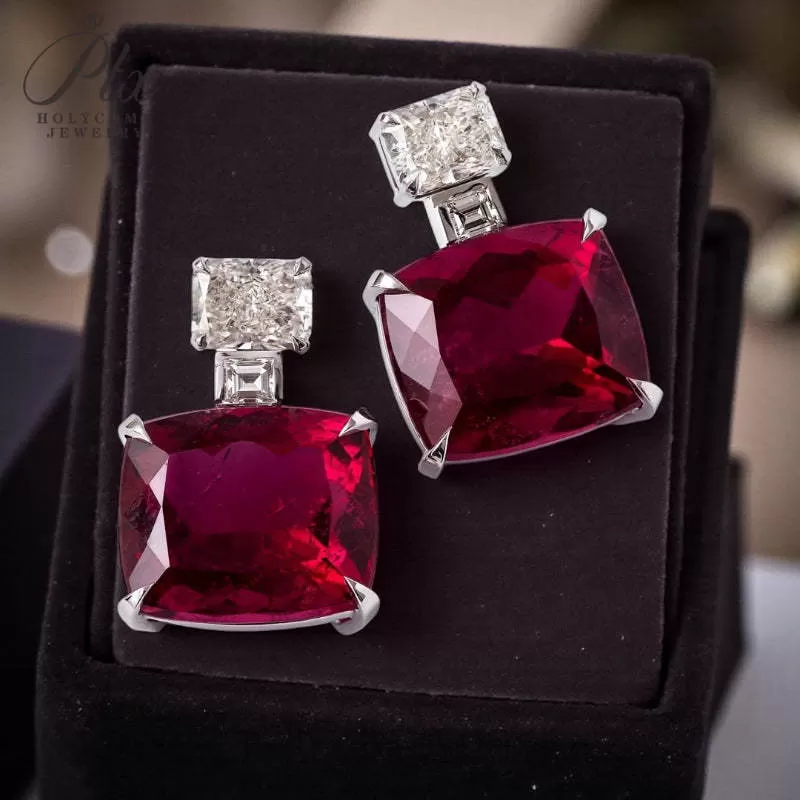
Chemical and Physical Differences
Diamond is pure carbon (C), scoring 10 on the Mohs hardness scale. Moissanite is silicon carbide (SiC), scoring 9.25. Both are durable enough for everyday jewelry. Moissanite was originally discovered in a meteorite crater by Nobel laureate Henri Moissan — today's moissanite is lab-created, making it ethically sourced and environmentally friendly.
Brilliance: Moissanite Actually Sparkles More
Moissanite has a higher refractive index (2.65 vs diamond's 2.42) and significantly higher dispersion (0.104 vs 0.044). This means moissanite displays more brilliance and more "fire" (rainbow-colored light flashes). Many customers describe moissanite as "too sparkly" — a selling point for those who want maximum brilliance, though some prefer diamond's subtler, more classic sparkle.
Price: The Decisive Factor
A 1ct moissanite wholesales for $20-50, while a comparable 1ct lab diamond wholesales for $300-800, and a natural 1ct diamond can cost $3,000+. This massive price difference makes moissanite accessible to budget-conscious shoppers, younger buyers, and customers who want larger carat sizes without the diamond price tag. For retailers, moissanite offers excellent markup potential.
Color and Clarity
Holycome moissanite is available in D-F colorless (most diamond-like) and G-H near-colorless. Clarity ranges from VVS to SI. All stones come with GRA certification, which includes a grading report and authenticity verification. This certification supports premium retail pricing and gives customers confidence.
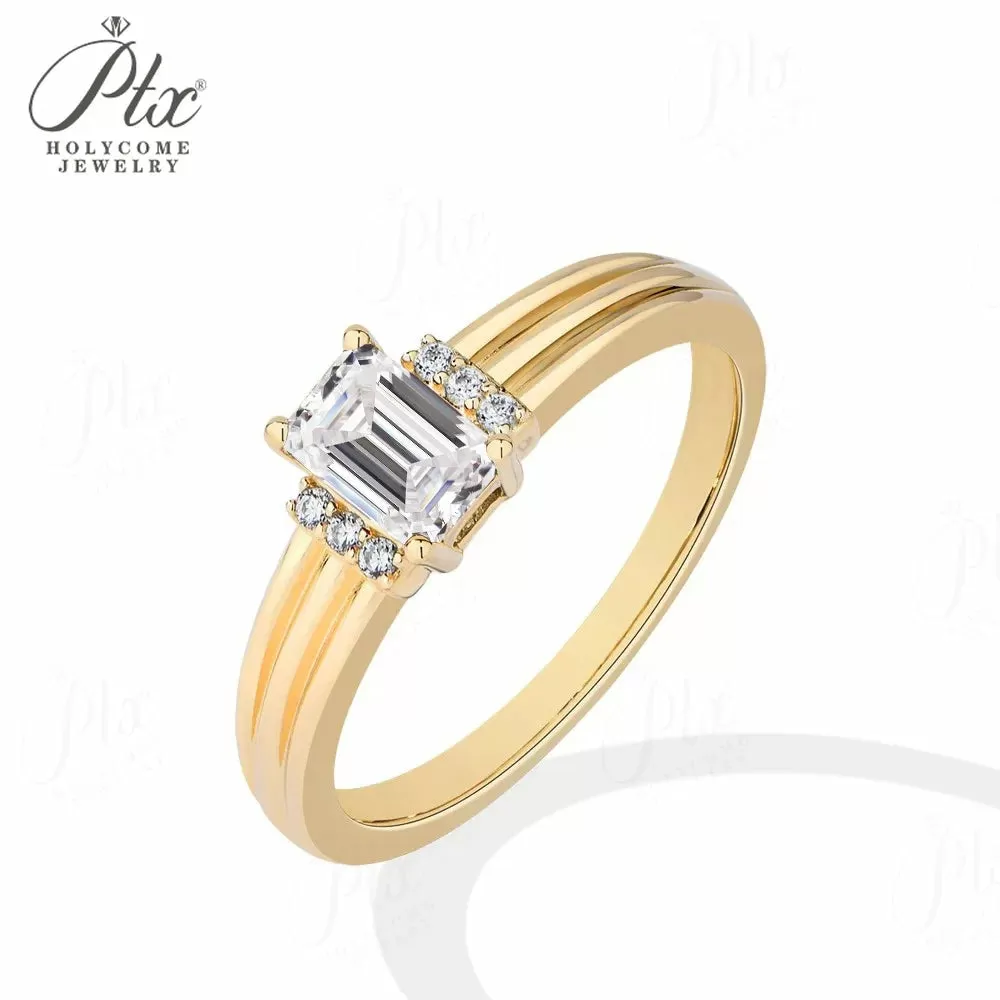
Durability and Wear
Both stones are excellent for everyday wear. Diamond (10 Mohs) is slightly harder, but moissanite (9.25) is harder than sapphire, ruby, and emerald — more than durable enough for rings, earrings, and bracelets. Moissanite is also less prone to chipping than many diamonds due to its toughness.
Ethical and Environmental Advantages
Lab-created moissanite requires no mining, avoiding the environmental destruction and human rights concerns associated with diamond mining. It's carbon-neutral compared to mined diamonds. This resonates strongly with eco-conscious consumers, particularly Millennials and Gen Z who prioritize sustainability in purchasing decisions.
Which Should You Stock?
We recommend both: moissanite for entry-level, fashion, and budget engagement rings; lab diamonds for premium and "real diamond" customers. Many retailers find that offering both captures the full market. Know your customer base — price-sensitive markets favor moissanite; luxury markets seek lab diamonds.
Browse moissanite collection or contact us for wholesale pricing.