What Is a Pendant Bail?
The bail is the component that connects a pendant to its chain — the loop at the top that the chain passes through. While often overlooked, the bail design affects everything from how the pendant hangs to which chains it fits, and even the overall aesthetic. For wholesalers, understanding bail types helps you match pendants with appropriate chains and advise customers.
Common Bail Types
Fixed loop bail: A simple, closed loop soldered to the pendant top. Classic, secure, and affordable. Chain must be threaded through — works with most chains but limits very thick chains.
Open bail (pinch bail): A U-shaped bail that can be gently opened to attach to a chain or charm. Versatile for DIY and customization. Popular with charm bracelets and interchangeable pendants.
Slider bail: Features a silicone-lined opening that grips the chain, allowing the pendant to be positioned at any point. Ideal for lariat and Y-necklace styles. Gives customers adjustable length.
Hidden bail: Concealed behind or under the pendant for a clean, floating look. Premium design feature. Creates the illusion that the pendant is suspended on the chain.
Magnetic bail: Uses magnets for easy attachment and removal. Convenient but less secure — best for lightweight pendants.
Hinged bail: Opens like a clasp for easy chain attachment. Secure and user-friendly. Adds a premium feel.
Bail Size and Chain Compatibility
The bail's inner diameter determines which chains fit. A 3x5mm bail fits chains up to 2mm thick. Larger bails (5x8mm) accommodate 3-4mm chains. Always check bail size when pairing pendants with chains — a pendant that doesn't fit the customer's existing chain is a frustrating return.
How Bail Affects Pendant Positioning
A high-mounted bail makes the pendant sit higher on the chest. A low or extended bail lowers the pendant. A centered bail keeps the pendant balanced. The bail angle determines whether the pendant hangs straight or tilts. Quality bails ensure the pendant hangs level and doesn't flip.
Decorative Bails as Design Elements
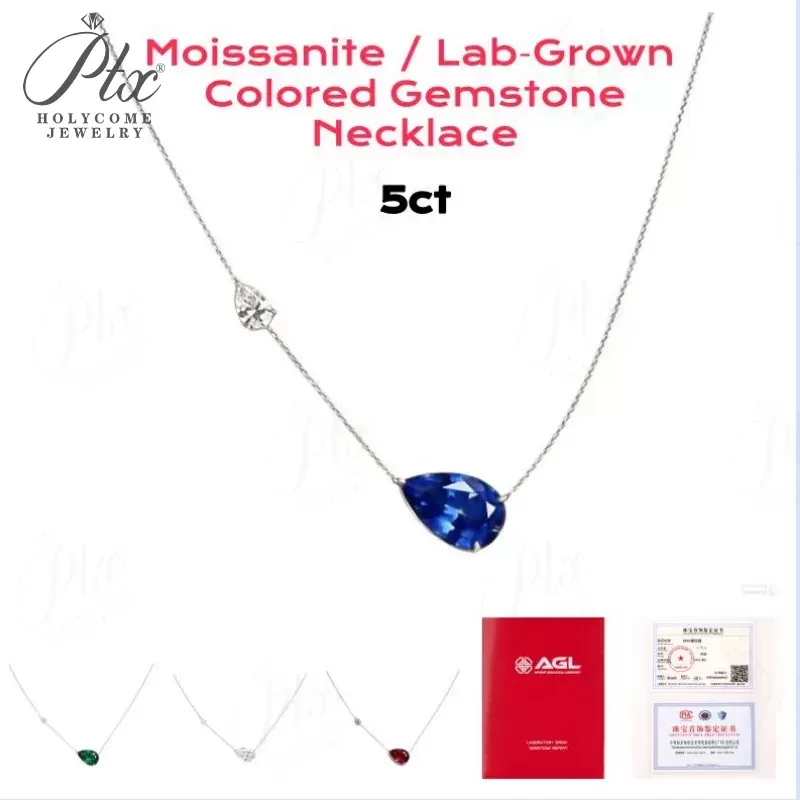
Bails don't have to be functional-only. Decorative bails with moissanite accents, filigree, or unique shapes become part of the pendant's design. Vintage-style bails (ornate, detailed) enhance antique-inspired pieces. Modern geometric bails suit minimalist designs.
Quality Considerations
Check that bails are securely attached — no wobble or weak solder joints. Ensure smooth interior so chain doesn't abrade. Verify the bail opening is large enough for the intended chain. Confirm the pendant hangs straight and level. Holycome inspects bail attachment on every pendant.
Interchangeable Bail Systems
Some wholesale lines offer interchangeable pendants with open bails, letting customers swap pendants between chains. This increases sales as customers collect multiple pendants for one chain. Consider building an interchangeable collection to drive repeat purchases.
Educating Your Customers
Include bail size in product specs. Show which chain widths are compatible. Explain slider bail functionality for adjustable styles. This information reduces returns and increases customer satisfaction.
Browse pendant necklaces — all with quality bails and matching chains.