Pricing Gold Jewelry for Profit
Gold jewelry pricing is more complex than fashion jewelry because the metal has intrinsic, fluctuating value. Successful retailers balance material costs, labor, brand value, and market positioning to maximize margins while remaining competitive. This guide covers proven pricing strategies for gold jewelry.
Understanding Your Costs
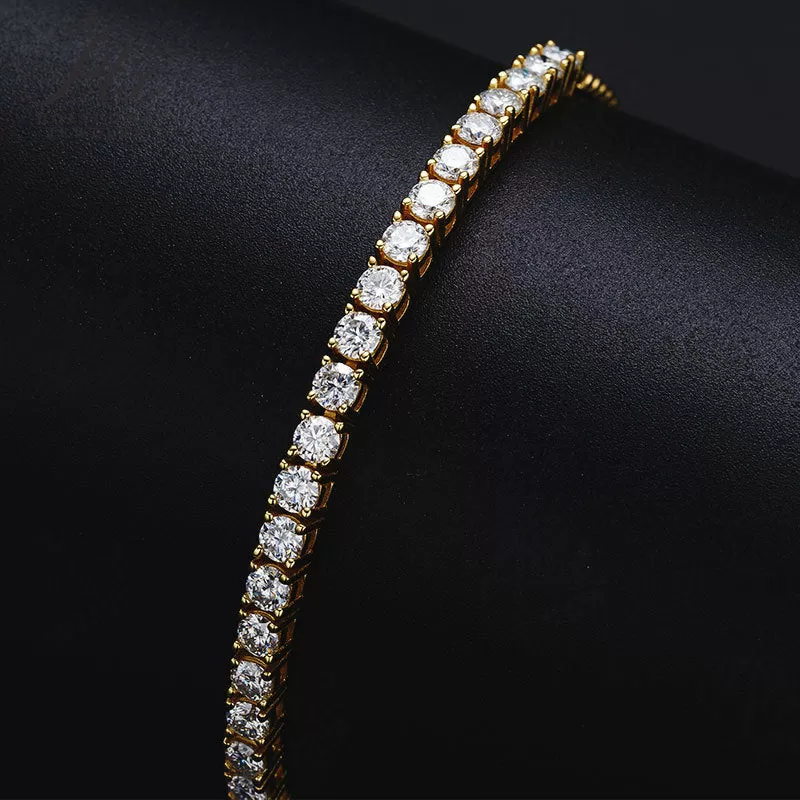
Gold jewelry cost components: gold metal value (based on current spot price + karat percentage), labor (casting, setting, polishing), stones (moissanite, diamonds, CZ), overhead (factory, QC, packaging), and shipping/duties. Calculate total landed cost (product + shipping + duties + packaging) before setting retail prices. Don't price based on product cost alone — include all expenses.
Keystone Pricing (2x Markup)
Keystone pricing (doubling wholesale cost) is the industry standard for many jewelry categories. Example: $50 wholesale → $100 retail. It's simple, competitive, and widely accepted. However, keystone may not cover all expenses for small retailers (rent, staff, marketing). Consider keystone as the minimum, not the target, for gold jewelry.
Premium Pricing (3-4x Markup)
Premium pricing (3-4x wholesale) is possible with: strong brand positioning, exceptional customer service, unique designs, certification/storytelling, and luxury store experience. Example: $50 wholesale → $150-200 retail. Premium pricing works for engagement rings, designer pieces, and branded collections. The key is communicating value — customers pay more for confidence, service, and experience.
Value-Based Pricing
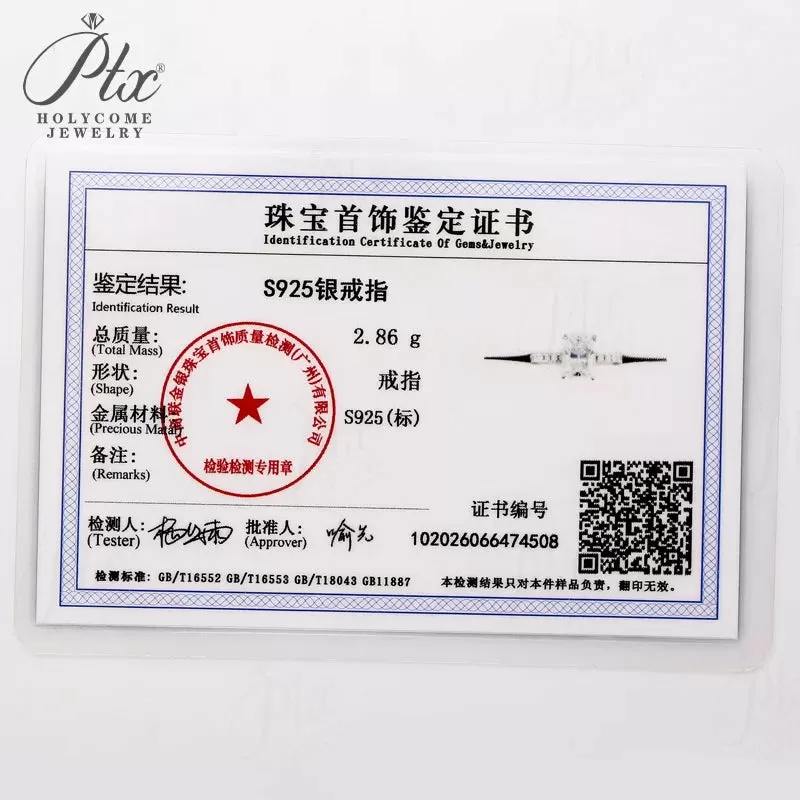
Price based on perceived value rather than cost. A gold moissanite ring costing $30 wholesale can retail at $120-200 if positioned as "affordable luxury" with certification, styling, and service. Value-based pricing considers: what competitors charge, what customers are willing to pay, and the emotional value of the piece. Research your market — don't underprice quality pieces.
Gold Price Fluctuations
Gold spot prices fluctuate daily. For retailers, this means: wholesale costs may change between orders, and retail prices should be reviewed periodically. Strategies: lock in pricing with suppliers for volume orders, update retail prices quarterly (not daily — confuses customers), and maintain margin buffer (don't price at minimum margin if gold is volatile). Holycome offers stable factory-direct pricing with transparent gold cost components.
Margin by Category
Engagement rings: 50-65% margins (premium positioning). Wedding bands: 45-55% (competitive). Fashion gold jewelry: 55-70% (higher perceived value). Gold chains: 40-50% (price-sensitive, compare by weight). Stone-set pieces: higher margins (stone value is less transparent to customers). Plain gold: lower margins (customers compare by weight).
Promotional Pricing
Sales and promotions drive traffic but erode margins. Use targeted promotions: seasonal sales (Valentine's, Christmas), clearance on slow-moving styles, bundle pricing (engagement + wedding band sets), and loyalty discounts. Avoid constant discounting — it trains customers to wait for sales and devalues your brand. Full-price sales should be 70%+ of revenue.
Competitive Positioning
Research competitors' pricing for similar pieces. Don't try to be the cheapest — compete on value, service, and selection. Price match for identical items if necessary, but differentiate with better service, certification, and return policies. Customers will pay 10-20% more for a trusted retailer with good service.
Margin Tracking and Optimization
Track margins by category, style, and supplier. Identify high-margin best sellers (promote these) and low-margin slow movers (discount or discontinue). Use POS data to optimize inventory. Regularly review pricing — costs change, and styles that were high-margin may become low-margin over time.
Request wholesale pricing and start building your profitable gold jewelry collection.