925 Silver Resale Value: What Actually Happens When You Sell
Imagine you spent $120 on a sterling silver necklace two years ago, wore it regularly, and now you are tired of it. You walk into a jeweler or a pawn shop expecting to recover at least half, and they offer you $18. That gap between what you paid and what you are offered is the resale value of 925 silver in practice, and it shocks almost everyone the first time. Understanding why that gap exists, and what it means for how you should buy, is the topic of this guide. We will look at how buyers value finished silver jewelry, what affects the price you can get, and the strategies that actually maximize what you recover.
As a factory producing sterling silver pieces by the thousands, we see both sides of this market. We know what it costs to make a piece, and we watch how resale buyers price them. The short answer is that finished sterling silver jewelry almost never sells for what you paid, but it can still be sold responsibly, and the lessons learned from resale completely change how smart buyers shop in the first place. By the end of this article, you will know exactly why that $18 offer is normal, which silver pieces hold up best at resale, and how to avoid the regret that comes from buying retail markup you will never get back.
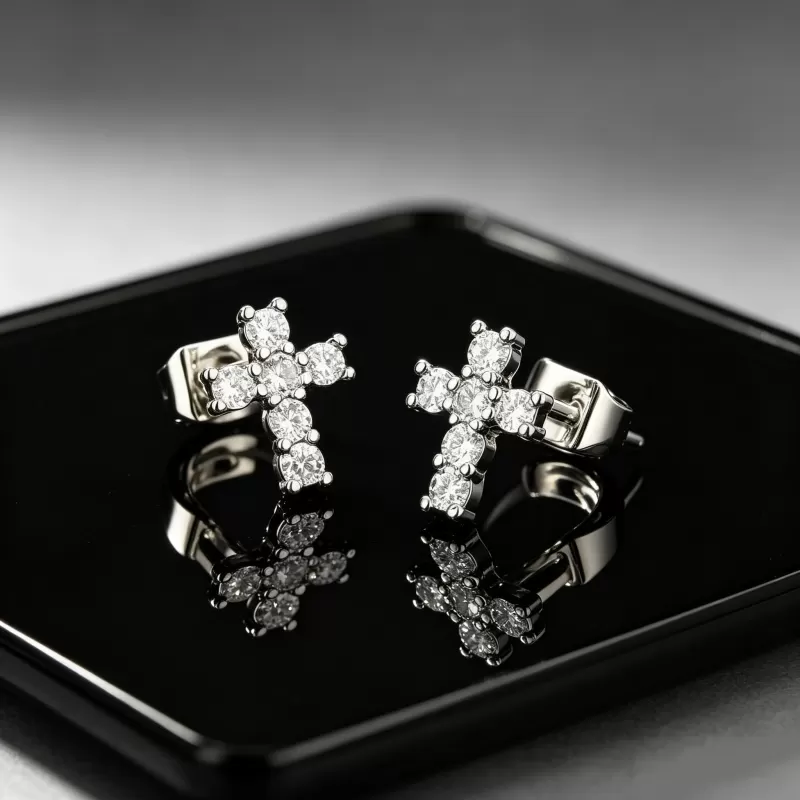
Why Resale Offers Are So Much Lower Than Retail
The core reason resale value disappoints is that retail price and resale price are two completely different calculations. When you buy a necklace in a store, you are paying for the finished product plus the store's rent, staff, lighting, packaging, and marketing. When a resale buyer looks at that same necklace, they see only the material they can recover and the labor they would need to resell it themselves. They are not paying for the experience you had in the store, because they did not have it. This mismatch is why a $120 necklace might be valued at its silver weight.
Let us put numbers on it. A typical silver necklace might weigh 12 grams. At a silver price of $25 per troy ounce, the melt value of that 12 grams works out to roughly $10. A resale buyer needs to make a margin on top of that when they resell, so they offer you something below melt, maybe $15 to $20, and then sell it refurbished for $40 or $50. That math is honest on their side. The money you paid for design, polish, brand, and store atmosphere has already been spent, and it does not transfer to the next owner. This is not a scam. It is how all finished goods lose value the moment they leave the showroom floor, cars being the most famous example.
The takeaway is not that silver is a bad buy. It is that you should never buy silver jewelry thinking it is a resale investment. The value you receive is the years you wore it, the compliments, the occasions it marked, and the way it completed outfits. When you treat it as a wearable pleasure rather than a financial asset, the resale numbers stop being a betrayal and start being a simple fact of life. For context on how the metal itself is priced, our guide on 925 silver wholesale pricing by gram weight shows how weight drives everything downstream.
What Determines Resale Value in Practice
Not every silver piece is valued the same way. A plain sterling band and a designer-stamped piece with a known name can have wildly different resale offers, even if they weigh the same. Understanding the factors that move the needle helps you either choose pieces that hold value better or simply accept the outcome with eyes open. The first factor is the silver itself. Solid 925 always has a floor based on weight; plated pieces have almost no resale floor at all, because their base metal is worthless.
The second factor is brand and provenance. Signed pieces from recognized designers, especially brands with active secondary markets, can sell for a meaningful fraction of their original price. A famous name on a clasp or an engraving is what collectors pay for. Everyday unbranded silver has no such premium. Third is condition. A polished, unworn piece in its original box with a receipt is valued far above a tarnished, scratched one missing its packaging. Fourth is whether the piece contains other materials. A silver necklace with a moissanite or gemstone may be valued partly on the stone, which changes the calculation entirely. We explain how stones factor in for buyers in whether moissanite is worth it, because the stone is often the resale talking point.
There is also a timing factor. Resale value is highest when demand for silver is strong, when your specific style is back in fashion, and when you sell through the right channel. A piece sold privately to someone who wants exactly that style will always outperform the same piece sold to a pawn shop that only wants melt value. This channel difference is worth understanding, and we break down the options in a later section. The point for now is that resale value is not one fixed number. It ranges from melt value at the low end to a respectable secondhand price at the high end, depending on brand, condition, stone, and where you choose to sell.
Sell Channels: Where You Get the Most Money
If you do decide to sell, the channel you pick changes your payout more than almost anything else. Pawn shops and local jewelers are the fastest option, and they will usually offer you near melt value because they need a quick resale margin and they take on storage risk. They are convenient, but they are the lowest offer. A consignment shop sits in the middle. They display your piece, wait for a buyer, and take a percentage, often 30 to 50 percent, when it sells. You get more money, but you wait longer and there is no guarantee it sells.
Online marketplaces and direct private sales are where the highest prices live. When you list your own silver piece with good photos, honest measurements, and a clear description, you can reach the buyer who actually wants that exact necklace. That buyer will often pay far more than melt because they are not buying it to flip; they are buying it to wear. The tradeoff is effort. You have to photograph, write, answer questions, ship safely, and handle returns, but the payout is typically two to four times what a pawn shop offers. For a small retailer or someone with a collection, this channel difference is the whole game.
One practical tip applies across all channels: prepare the piece before you sell it. Give it a gentle polish, gather the original box and receipt if you still have them, and weigh it if you can. A clean piece with documentation signals that the owner cared for it, and buyers value that care. Never over-clean or repair a piece you plan to sell, because heavy polishing can reduce a vintage piece's character, but a simple polish and presentation upgrade costs you nothing and improves the offer. The goal is to make the piece look as good as it genuinely is, not to disguise its condition.
The Smart Buyer's Response: Buy Below Retail Markup
Once you understand resale math, the logical response is to minimize the retail markup you pay on the way in. This is the real value lesson. If you are never going to recover the store's overhead, packaging, and brand premium, why pay a luxury boutique for them? The closer you buy to the source, the better your long-term position becomes, both in enjoyment and in any future resale. This is the core reason factory-direct silver has become so popular with serious jewelry buyers.
When you buy sterling silver directly from a manufacturer, you are paying mostly for material and labor, with very little overhead layered on top. The same physical piece that sells in a mall store for $120 might be available factory-direct for $35 to $55. You receive the same 925 silver, the same weight, the same plating, and the same structural quality. What you skip is the markup you would never recover. This does not mean retail is wrong for everyone; trying on pieces, instant availability, and in-person service have real value. But if you are comfortable buying online and know what you want, direct sourcing lets you build a larger, better collection for the same money.
This is also why wholesale buying makes sense for small retailers. The margin they need to earn already lives in the gap between factory price and retail price. If a boutique tried to buy at retail and resell, the math would be impossible. Our article on factory-direct MOQ pricing for 925 silver walks through how small orders work, but the principle for individual buyers is the same: the less markup you absorb up front, the less you lose when a piece eventually leaves your collection.
Which Silver Pieces Hold Value Best
If you care about resale, some silver categories are clearly better than others. Solid, well-weighted classic pieces hold a floor based on weight and craftsmanship. A plain, timeless sterling band, a well-made chain, or a classic pair of stud earrings will always have a resale market, because there is steady demand for basics. Trendy, heavily plated, or hollow pieces do poorly, because they look dated quickly and have little material weight to fall back on.
Pieces set with stones behave differently. A silver ring with a moissanite or a gemstone carries value in the stone, which holds up better than the metal alone. This is why silver engagement and anniversary rings often resell for more than their silver weight would suggest, especially when the stone comes with documentation. If you are choosing silver jewelry with any resale consideration in mind, favor pieces with real stones, solid construction, and timeless design. Avoid ultra-thin, hollow, or heavily plated trend pieces. They look great for a season and are nearly worthless afterward.
The brand question matters here too. If you buy from a recognized maker with a reputation for quality, even an unbranded-looking piece can command a secondhand following. As a manufacturer, we see that pieces built to a high standard, with solid prongs, thick plating, and clean finishing, are the ones customers wear for decades and then pass on rather than discard. That longevity, not the logo, is what real resale value is built from. You can read more about how construction quality separates pieces in the silver ring plating guide, because plating thickness is one of the clearest signs of a piece built to last.
Insurance and Appraisal: Protecting What You Own
Resale value is one thing, but if a piece is lost or stolen, what you care about is insurance value, which is a different number entirely. Appraisals for insurance are based on replacement cost, meaning what it would cost to buy a comparable piece new, and that figure is much closer to what you originally paid than a resale offer. If you own silver jewelry with stones, or a collection worth more than a few hundred dollars, an appraisal and a rider on your insurance policy are worth considering. The appraisal protects you, not the resale market.
Many people confuse the two numbers and end up either underinsuring or overinsuring. Resale value is what you get when you voluntarily sell. Insurance replacement value is what you receive if the piece is stolen or destroyed. Knowing the difference prevents two mistakes: panicking when a resale offer is low, and being shocked when a home insurance policy does not cover jewelry without a scheduled rider. We walk through the full process in jewelry insurance and appraisal explained, and the short version is: get the piece appraised if it carries real stones, and keep the paperwork somewhere safe.
There is a practical angle for factory-direct buyers here as well. Because you paid less up front, you may not need much insurance, which keeps your costs low. A collection of affordable silver pieces you enjoy daily does not need to be scheduled separately. The moment you add a significant stone, a signed piece, or a sentimental family heirloom, the calculation shifts, and that is when an appraisal is worth the modest fee. Protect the pieces that matter, and do not waste money insuring pieces that cost little to replace.
One detail that surprises people is how often insurers and jewelers use the original purchase receipt as the fastest path to a claim. If you ever plan to insure a silver piece or resell it for more than melt, keep the receipt, the certificate for any stone, and the original packaging. That paperwork turns a vague "this was a necklace I bought somewhere" into a documented item with a verifiable value, and buyers or insurers treat documented pieces very differently from ones with no history. For a factory-direct purchase, request an invoice with the piece details when you order, because that simple habit pays off years later if the piece ever matters beyond daily wear.
Vintage and Heirloom Silver: The Resale Exception
There is one situation where sterling silver genuinely outperforms the low-resale rule, and that is vintage and heirloom pieces. A silver necklace that is fifty years old, especially one with a maker's mark, an unusual design, or a documented history, is not valued for its melt value. It is valued as a collectible. The patina that develops over decades, the hand-finished details that machine production replaced, and the story behind the piece all add value that did not exist when it was new. This is why antique silver flatware and vintage jewelry sometimes sell for many times their metal weight.
You do not need to own a museum piece to benefit from this. A well-cared-for silver piece that you keep for twenty years, that carries an engraving with a date or initials, or that was passed down from a parent, starts to develop sentimental and collectible value that pure melt math ignores. The practical lesson is that some silver pieces are meant to be kept, not resold. If you are choosing a piece for a wedding, an anniversary, or a milestone, buy something you would be comfortable passing on, because it may become the heirloom that outlives its resale price tag. We discuss the design side of this in the history of jewelry, because the collectible market draws directly on that long tradition.
For most buyers today, though, vintage value is a future possibility rather than a current expectation. The pieces you buy now will not become antiques overnight, and you should not pay a premium thinking they will. Buy them because you like them, wear them for decades, and if a future descendant chooses to sell one, it may do better than you expect. That long horizon is a far healthier way to think about silver than hoping for a quick profit.
How Resale Reality Changes the Way You Should Shop
Putting it all together, resale value teaches a clear shopping philosophy. Buy less often, buy better construction, favor solid over plated, choose timeless over trendy, and buy as close to the source as you reasonably can. This approach means you spend less overall, own pieces that last, and feel far less regret when a piece eventually stops being part of your rotation. You stop chasing trends that depreciate in a year and start building a small wardrobe of pieces you genuinely love and will wear for a decade.
It also changes how you feel about the pieces you already own. That $120 necklace you thought was a bad investment because the resale offer was low? It gave you two years of daily wear, which works out to pocket change per day, and you got your enjoyment out of it long ago. Resale value only matters the moment you decide to sell. Until then, a piece you wear is worth every penny, and the low offer from a pawn shop is irrelevant to you. This reframing is surprisingly freeing. Jewelry stops being a financial decision and becomes a simple pleasure, which is exactly what it should be.
If you are shopping for new pieces with this mindset, the best place to apply it is in the source. Factory-direct silver gives you solid construction, real 925 content, and honest pricing with the minimal markup you will never recover anyway. Browse our 925 silver collection to see what that standard looks like, and remember that the pieces built to our workshop's quality bar are the ones you will still be wearing, and still enjoying, long after their retail-priced cousins have tarnished in a drawer.
Frequently Asked Questions
Can you sell sterling silver jewelry back to a store? Yes, but most stores offer near melt value based on the silver weight, not retail price. Pawn shops and jewelers will give you an immediate low offer, while online private sales can earn you much more if you are willing to list and ship the piece yourself.
How much is 925 silver worth at a pawn shop? Offers are usually based on melt value plus a margin. A piece weighing 10 to 15 grams typically brings $15 to $35, depending on the silver price and the shop. Pieces with stones or designer marks can bring significantly more.
Is sterling silver a good investment? No, not as a resale investment. Bullion is the way to invest in silver. Sterling silver jewelry is a wearable product whose value is the enjoyment you receive while owning it, not a future profit.
Does rhodium plating affect resale value? It does not hurt resale, because plating can be reapplied. Buyers mostly look at silver weight, condition, brand, and stones. Old plating that has worn off is normal and easy to restore, so it rarely reduces an offer.
Bottom Line
The resale value of 925 silver is low because finished jewelry carries retail markup that does not transfer to a new owner, and that is normal rather than unfair. Solid silver always has a weight-based floor, branded and stone-set pieces do better, and selling through the right channel can multiply what you recover. The smartest move is not to obsess over resale. It is to buy solid, timeless pieces you will wear, pay as little markup as possible by sourcing directly, and let daily enjoyment be the real return.
If you want to build that kind of lasting silver wardrobe, our Wuzhou team can help you understand weights, plating, and factory-direct pricing before you buy. Reach us at service@holycome.com, and keep exploring our silver value articles to understand exactly what makes each piece worth owning.