Understanding Silver Jewelry Costs
To price silver jewelry profitably, retailers need to understand what goes into the wholesale cost. Silver jewelry pricing involves more than just the metal value — labor, stones, plating, overhead, and quality all contribute. This breakdown helps you evaluate supplier pricing and maximize your retail margins.
Cost Components of Silver Jewelry
Metal cost: 925 silver is priced by weight (grams). Current silver spot price + alloy cost. A typical ring uses 3-8 grams of silver.
Labor: Casting, polishing, stone setting, plating — skilled craftsmanship. Complex designs require more labor.
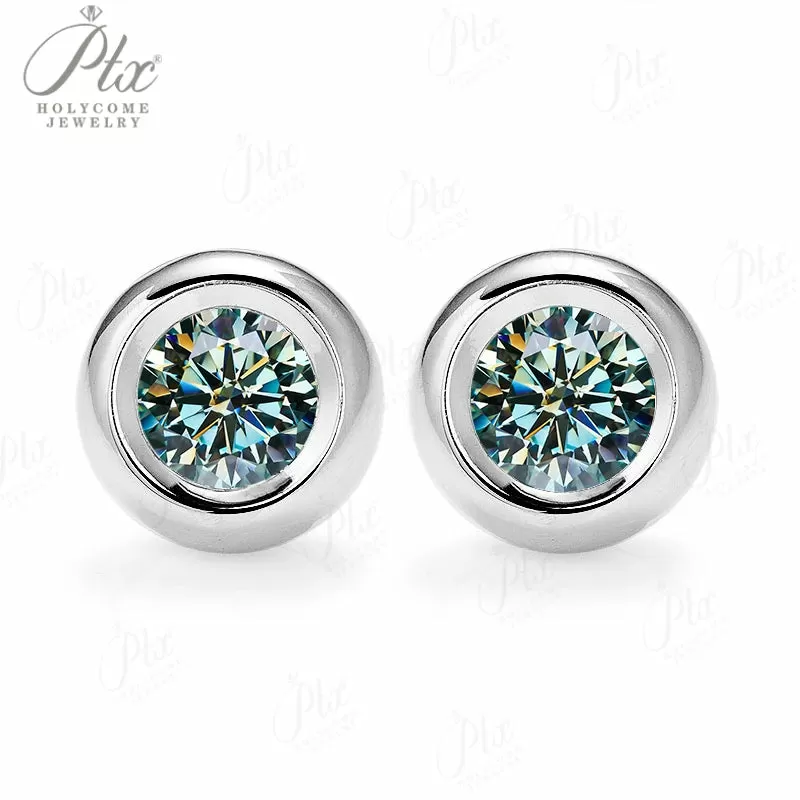
Stones: Moissanite (cost by carat), CZ (very affordable), or other gems. Stone quality and size significantly affect cost.
Plating: Rhodium, gold, or rose gold plating. Triple-layer plating costs more but lasts longer.
Overhead: Factory equipment, quality control, packaging, certification (GRA), and administrative costs.
Margin: Factory profit margin (typically 15-25% for direct factory pricing).
Factory Direct vs Distributor Pricing
Buying factory direct (like Holycome) eliminates middleman markups (distributors typically add 30-50%). This means lower wholesale costs and higher retail margins for you. Factory direct also offers custom design capabilities, direct communication, and volume discounts. The tradeoff is minimum order quantities — though Holycome's MOQ 1 makes factory direct accessible to all retailers.
Typical Wholesale Price Ranges
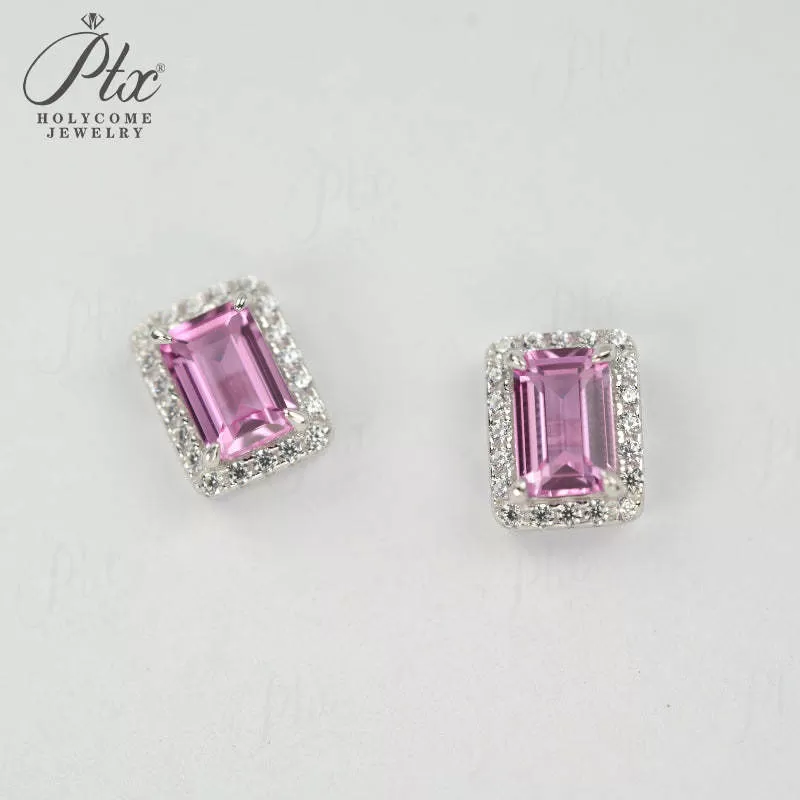
Simple silver studs (no stone): $2-5 wholesale. Moissanite stud earrings (1ct total): $8-20. Silver moissanite ring (1ct): $10-25. Tennis bracelet (3mm stones): $25-60. Gold-plated premium pieces: add 20-40%. These are approximate factory-direct ranges — specific pricing depends on design complexity, stone size, and order volume.
Retail Markup Strategies
Standard jewelry markup: 2-3x wholesale for fashion pieces, 3-4x for premium/branded items. Keystone pricing (2x) is common for competitive markets. Premium positioning (storytelling, branding, service) supports higher markups. Consider your market: luxury areas can support 4x; value markets may need 2x. Always factor in shipping, duties, and packaging costs.
Volume Discounts
Holycome offers tiered volume pricing: 1-10 pieces (standard), 11-50 (5-10% off), 51-200 (10-15% off), 200+ (custom quote). For best-selling styles, ordering in volume significantly reduces per-unit cost. Mixed-style orders count toward volume. Many retailers find that consolidating orders monthly unlocks better pricing.
Hidden Costs to Factor In
Shipping (express $20-50, sea freight cheaper but slower), customs/duties (varies by country — US typically 5-7% for silver jewelry), packaging (standard included, custom branding extra), returns/damages (budget 2-5%), and payment processing fees. Calculate total landed cost, not just product cost, when setting retail prices.
Pricing for Profit
Formula: Retail Price = (Landed Cost ÷ (1 - Desired Margin%)). Example: $10 landed cost, 60% desired margin = $25 retail. Track margins by category — some styles may have higher margins than others. Use low-margin items as traffic drivers, high-margin items as profit centers. Regularly review pricing as costs change.
Request wholesale pricing for your silver jewelry inventory.