Silver Tarnish: Customer Care Script
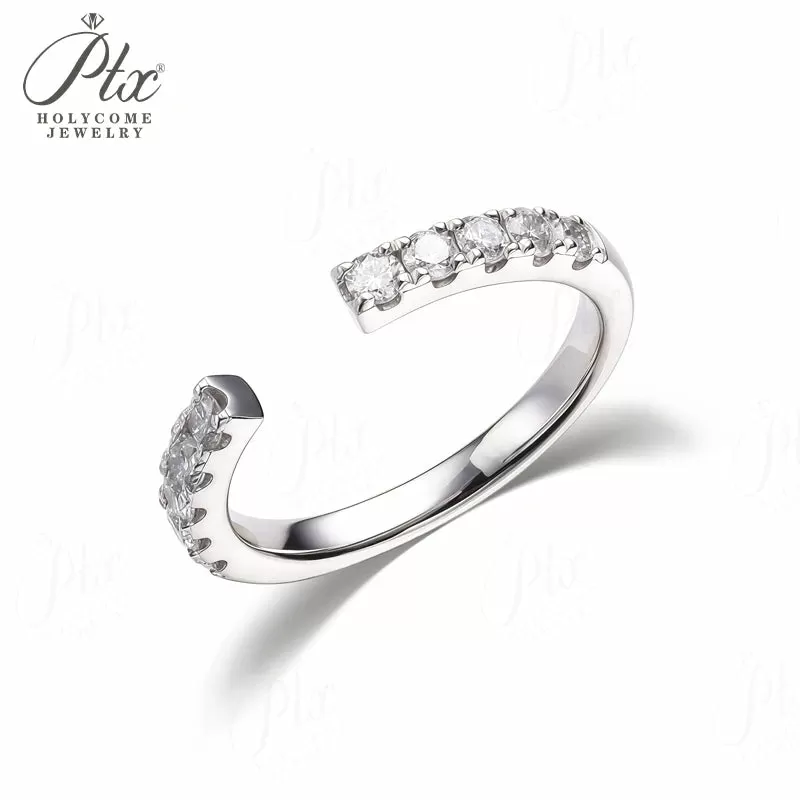
A retailer returns a batch of silver rings after two months with a one-line complaint: "they turned black." The rings are not defective. They are sterling silver doing what sterling silver does. The gap between factory and customer is not chemistry - it is expectation. This guide gives you the script to set that expectation before the customer leaves the store, so tarnish stops being a return reason and becomes a care conversation.
Why silver tarnishes
Sterling silver is 92.5% silver with copper added for hardness. The silver itself reacts with sulfur compounds in the air - from pollution, from eggs and onions in the kitchen, from rubber bands and latex gloves, from perfume and lotion. The reaction forms silver sulfide, which is the black film customers see. This is not a plating failure and not a quality problem. It is the same reaction that turns antique silver black. The copper in sterling also oxidises, which is why cheaper silver can develop a greenish tinge on skin. For the chemistry, see Wikipedia on sterling silver.
925 vs fine silver: which tarnishes slower
Pure fine silver (99.9%) tarnishes slower than 925 sterling because it has less copper. But fine silver is too soft for rings and bracelets - it bends. 925 sterling is the hardness compromise, and the trade-off is slightly faster tarnish. If a customer is highly reactive to metal, the answer is not "buy fine silver" - it is plating. Rhodium plating on 925 silver delays tarnish by 6-12 months because the rhodium seals the silver underneath. E-coating (a clear lacquer) adds another layer of protection but wears off on high-friction pieces like rings.
What plating does and does not do
Retailers should be clear with customers: plating is not permanent. Rhodium on a ring wears off on the band edge in 6-12 months of daily wear. Rhodium on a necklace or earrings lasts 2-3 years. Gold vermeil (thick gold over silver) wears faster on rings than on pendants. Tell customers that replating is a normal service, not a warranty claim - and offer a paid replating service in store, which turns a complaint into a repeat visit. We see boutiques that charge for replating build a steady side revenue from it, because customers would rather pay to restore a favorite piece than buy a new one.
The customer care script
Give every silver customer a one-line care note with purchase: "Take it off before showering, swimming, cleaning or applying perfume; store it in the anti-tarnish bag we included; polish with the cloth once a month." That four-line script cuts tarnish-related returns by roughly half. The two biggest accelerators are sulfur in hot water (showers, pools with chlorine) and perfume sprayed directly on the metal. A customer who sprays perfume after putting on a necklace has a 3x faster tarnish rate than one who sprays first and waits 60 seconds. Write the care note on a small card in the pouch, not just on the receipt - customers keep the card but lose the receipt.
What to stock to reduce returns
Three product decisions cut tarnish complaints. First, default to rhodium-plated silver for white pieces - it buys months of clean look. Second, include anti-tarnish paper in every retail pouch - it is cents per unit and customers notice. Third, stock a small silver polishing cloth as a counter add-on. Customers who buy a cloth clean their silver; customers who do not, return it. We supply polishing cloths in small and large sizes; the large cloth retails well as a standalone care product and the small cloth fits inside every jewelry pouch. Read on silver chain finish options.
Is tarnish a sign of low-quality silver?
No. Tarnish is a chemical reaction of silver with sulfur in air. Even fine silver tarnishes. The difference between cheap and good silver is how evenly it tarnishes and how easily it polishes back.
How long does rhodium plating last?
On a ring, 6-12 months of daily wear. On a pendant or earrings, 2-3 years. High-friction pieces (rings, bracelets) need replating more often.
Why does my customer's skin turn green?
Green skin comes from the copper in sterling silver reacting with acidic skin or lotion. It is harmless and washes off. Rhodium plating or a clear lacquer coat prevents it.
Should I tell customers to store silver in a bag?
Yes. An anti-tarnish bag or airtight box slows sulfur exposure by weeks. A silver piece left on a bathroom counter tarnishes in days; one stored in a pouch stays clean for months.
Stocking rhodium-plated 925 silver with anti-tarnish paper in every pouch? We ship every order with polishing cloths available as a counter add-on. Tell us your category and we will quote a tarnish-ready range. MOQ from 20 pieces. Check our REACH nickel-free silver, see earring plating options, or add anti-tarnish packaging.
Frequently Asked Questions
How do I prevent sterling silver from tarnishing in storage?
Use anti-tarnish bags with a sulfur absorber, keep humidity under 60% and avoid paper wrapping. Rhodium plating adds a further barrier on high-turn SKUs.
Is rhodium plating worth the added cost?
Yes for display and gift lines. It resists tarnish for 12–18 months and keeps shelf pieces bright, which reduces markdowns.
What purity do you supply?
925 sterling silver, stamped and hallmarked. Fine silver (.999) is available for beads and bullion-style pieces.
What is the MOQ and lead time?
50 pieces per design, samples 3–5 days, bulk 15–20 days.