Silver vs Gold Rings: Which Gives Better Everyday Value
The silver-versus-gold debate in ring buying is one of those topics that everyone has an opinion on, but few people have actually priced out. Gold feels like the serious choice, the one adults and weddings are made of, while silver feels like the affordable stepping stone you will eventually replace. That assumption hides a much more useful truth: for everyday wear, style flexibility, and budget, a well-made 925 silver ring often delivers more real value than a gold ring costing several times as much. This guide compares the two honestly, covering cost, durability, comfort, style, and resale, so you can choose the metal that actually fits your life rather than the one tradition tells you to want. As a workshop that builds both silver and gold-toned rings, we have a practical view of where each one shines and where each one disappoints.
We will not pretend silver is identical to gold. It is not, and there are reasons people choose gold that have nothing to do with value. But the idea that silver is merely the cheaper placeholder is wrong for a large share of ring wearers. Once you compare them on everyday value rather than prestige, silver often comes out ahead. Here is how that comparison actually breaks down.
The Cost Gap, and What It Buys
The most obvious difference is price. A solid gold ring costs many times what a comparable 925 silver ring costs, because gold itself is a far more expensive commodity. A simple silver band might cost $40 to $100, while a similar 14-karat gold band starts at several hundred dollars and climbs quickly. For a ring with a stone, the gap widens. This does not make gold a bad value, but it means the extra money is buying the metal commodity itself, not necessarily a more durable or better-looking ring. A well-finished silver ring can look every bit as bright and polished as a gold one, especially when rhodium-plated, and it wears beautifully daily.
What the extra gold money actually buys is two things. First, it buys a higher-value metal that holds more scrap worth, so a gold ring has a higher material floor if you ever sell it. Second, it buys the color and prestige many people associate with fine jewelry. Both are legitimate reasons to choose gold. But if your priority is everyday looks, comfort, and not worrying about a ring, the silver version delivers most of the experience at a fraction of the cost. You are not getting a lesser ring. You are getting the same design in a more affordable metal. For everyday stacking bands, fashion rings, and even engagement rings on a budget, that trade is excellent.
This is where factory-direct silver changes the math. Because silver is cheap to begin with, and because direct sourcing removes markup, you can own several solid silver rings for the price of one small gold band. That flexibility is itself a form of value. You can wear different silver rings on different days, stack several of them, replace a lost one without heartbreak, and experiment with styles. A gold ring is often treated like a single precious object, worn cautiously. A silver ring is treated like part of your daily life, worn freely. For most people, that freedom is worth more than the prestige.
Durability for Daily Wear
When comparing durability, nuance matters. Pure gold is soft, which is why jewelry uses alloys: 14-karat gold, for example, mixes gold with other metals to make it harder. Sterling silver is also an alloy, 92.5 percent silver with copper, and it is reasonably durable for daily rings. Silver is softer than 14-karat gold, so over many years a silver band may wear down slightly faster and scratch more easily. But for typical daily wear, that difference is small, and silver's softness also makes it comfortable and less likely to irritate. A silver ring does not break or deform under normal use; it simply ages gracefully.
The bigger durability difference is tarnish. Silver naturally tarnishes over time, especially with exposure to sulfur, sweat, and certain chemicals. Gold does not tarnish. This is silver's real maintenance downside. A silver ring that is not occasionally polished will develop a dull patina, while a gold ring stays bright with almost no care. However, modern rhodium plating on silver dramatically slows tarnish and keeps the ring bright for a long time, and polishing silver takes seconds. So the tarnish issue is real but easily managed, not a dealbreaker. We cover the maintenance side in tarnish causes and cleaning, and the short version is that a little care keeps silver rings looking great for years.
For the wearer who wants zero maintenance, gold wins. For the wearer who does not mind a quick polish now and then, silver is perfectly durable and far cheaper. The people most likely to be happy with silver are those who wear rings often and are comfortable with basic care. The people best served by gold are those who want a set-and-forget precious piece, often a wedding band meant to last decades without attention. Neither choice is wrong. It is a matter of whether you value low upkeep and prestige enough to pay the gold premium. For most everyday rings, the premium is hard to justify when silver performs so well.
Style, Color, and Wardrobe Flexibility
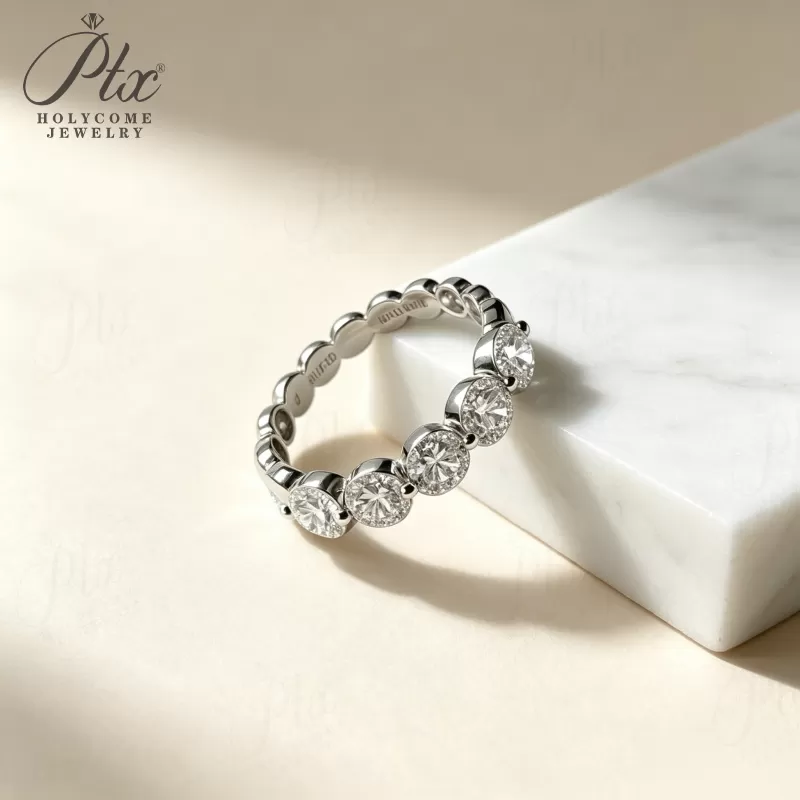
Silver and gold suit different aesthetics, and this is where preference truly takes over. Silver, especially rhodium-plated silver, reads cool, modern, and crisp. It pairs beautifully with diamonds, moissanite, and most cool-toned outfits, and it is the default for contemporary and bridal looks. Gold reads warm, classic, and traditional. It pairs with warmer skin tones and yellow or autumn palettes, and it carries the heritage association many people want from wedding jewelry. Neither is universally better. The right color depends on your skin tone, your wardrobe, and your taste.
What makes silver practically flexible is how well it coordinates with the rest of a silver jewelry wardrobe. If you already wear silver earrings, necklaces, and bracelets, a silver ring ties everything together seamlessly. A gold ring in that context can feel mismatched, unless you deliberately mix metals. Silver is also easier to experiment with, precisely because it is affordable. You can try a bold silver ring trend this year and move on next year without the guilt of an expensive mistake. Gold, being precious, tends to be chosen once and kept, which makes it less suitable for experimenting with fashion.
That said, the mixing-metals trend has removed much of the pressure to match. Wearing silver and gold together is now stylish and intentional, so a silver ring no longer clashes with a gold watch. This broadens silver's appeal. You can start a silver ring collection even if you own gold pieces, because mixing is accepted. Our guide on gold vermeil on silver shows how you can even get the gold look on a comfortable silver base, bridging the two. For pure value and flexibility, silver remains the easier starting point.
Resale and the Metal Floor
On resale, gold clearly wins. Because gold is a high-value commodity, a solid gold ring retains meaningful scrap worth even if the design is generic. A silver ring's scrap value is low, reflecting silver's much lower commodity price. So if holding material value over decades is your priority, gold is the stronger choice. A gold wedding band is partly a store of value, while a silver band is partly a wearable accessory. This is the honest advantage of gold, and no amount of silver enthusiasm makes it go away.
But here is the balancing point. Because a gold ring cost so much more to begin with, its resale advantage partly cancels out. A $1,000 gold ring might resell for $500, recovering half. A $80 silver ring might resell for $20, recovering a quarter. The percentage looks worse for silver, but the absolute dollars lost are tiny. If you think in terms of total financial exposure rather than percentage, the silver ring is far less risky. You are not out a meaningful amount if you lose it, damage it, or decide to sell. The gold ring carries real financial stakes.
This is why silver is the better value for anyone who is not primarily investing in the metal. For everyday rings, trend rings, stackable bands, and affordable engagement rings, silver lets you wear beautiful jewelry without the financial anxiety of a gold piece. The gold ring earns its place when you specifically want a precious metal to keep, such as a wedding band you will wear for fifty years. For everything else, silver delivers the wearing experience at a cost that makes losing it no tragedy. That combination is what value looks like in practice.
Who Should Choose Silver, and Who Gold
The decision comes down to your situation. Choose silver if you want affordable everyday rings, flexibility to experiment, multiple pieces for the price of one gold band, and a modern cool tone. Silver is ideal for stackable rings, fashion rings, rings you wear casually, and engagement rings on a budget. Choose gold if you want a set-and-forget precious piece, a higher material floor, a warm traditional tone, or a wedding band meant to last decades without tarnish care. Gold is the right choice for heirloom pieces and for people who specifically value the metal as a store of worth.
Many people find a hybrid works best. They wear silver for everyday fashion and stacking, and reserve gold for a single meaningful piece like a wedding band. This lets them enjoy the flexibility and low cost of silver for daily life while honoring the tradition and permanence of gold for the one piece that matters most. That hybrid is often the most satisfying arrangement of all, because it uses each metal for what it does best. You do not have to pick one forever. You can build a wardrobe that blends both.
If you are unsure, start with silver. It is the low-risk, high-reward way to discover what ring styles you actually wear. Once you know your taste, you can invest in a gold piece for the style you reach for most. We see this pattern constantly: customers begin with affordable silver rings, fall in love with a particular look, and then invest in that specific look in gold. Starting with silver did not waste money. It informed a better gold purchase later. That is smart value, not a compromise.
Comfort and Allergies: The Hidden Winner
One reason silver is more comfortable for daily wear than people expect is its hypoallergenic nature. Pure sterling silver, properly alloyed, rarely triggers skin reactions, which is why it is the standard for new piercings and sensitive ears. Gold, depending on its alloy, can contain nickel or other metals that irritate some people. Many a gold ring has been exchanged because it turned the finger green or itchy, a problem that well-made sterling almost never causes. If you have sensitive skin, the comfort argument for silver is stronger than any prestige concern. A ring that irritates you will not be worn, no matter how valuable it is.
Comfort also comes down to how a ring feels over hours. Silver's slight softness means a well-finished band feels smooth against the skin, and it can be polished to a comfortable interior edge. Gold rings, especially heavier ones, can feel bulky or catch on things if the band is wide. For an everyday ring that sits unnoticed, a moderately weighted silver band often feels better than a heavy gold one. This is subtle, but people who wear rings constantly feel it. The ring that disappears is the ring that gets worn, and silver bands frequently do that better than their heavier gold counterparts.
There is also the psychological comfort of not worrying. People who wear an expensive gold ring often describe a low background anxiety: taking it off before the gym, remembering it at the beach, worrying about loss or damage. A silver ring costs little enough that you can wear it without that overhead. You swim, garden, cook, and travel without calculating risk. That freedom is a real form of value. The best everyday ring is the one you forget you are wearing, and silver rings are excellent at disappearing into your day. We discuss the skin-science side in hypoallergenic silver truth, which explains why silver is so gentle for daily contact.
How Plating Blurs the Line Between Them
Modern plating makes the silver-versus-gold comparison less binary than it used to be. You can start with a comfortable, affordable 925 silver ring and finish it in rhodium for a bright white look, in gold vermeil for a warm gold appearance, or in rose gold for a soft pink tone. This means you can own the visual look of gold without paying gold prices, while keeping silver's comfort and low cost as the base. A gold-vermeil silver ring looks golden to the eye, costs a fraction of solid gold, and behaves like silver underneath. It is the practical bridge between the two worlds.
The tradeoff is durability of the finish. Plating wears over time, especially on a ring that takes daily friction, and will eventually reveal the silver underneath. Gold vermeil is thicker than ordinary plating, so it lasts longer, but it is still not solid gold. When the finish wears, the ring can be replated affordably. So a plated silver ring is a low-cost way to get the gold look, with periodic maintenance, versus a solid gold ring that keeps its finish forever. For many people, the cost saving justifies occasional replating. For someone who wants truly set-and-forget, solid gold remains the answer.
This flexibility is a silver advantage. Because silver is a neutral, affordable base, it can be finished in any color, letting you match trends or your wardrobe without buying solid precious metal each time. You can have a white silver ring, a gold-toned one, and a rose one, all on a comfortable silver base, for less than one solid gold ring. That range of looks, at that price, is difficult to match any other way. Our guide on silver ring plating options details the finishes available, and the takeaway is that silver does not lock you into one color. It is the versatile base that gold is not.
The Hybrid Most People Actually Love
After working through all the factors, the arrangement that satisfies most people is a hybrid. Silver forms the everyday wardrobe: stackable bands, fashion rings, a casual stone ring, and a comfortable everyday piece worn without worry. Gold is reserved for the one or two pieces that carry lasting meaning, typically a wedding band or an heirloom. This way you get the low cost, flexibility, and comfort of silver for daily life, and the permanence and prestige of gold for the occasion that deserves it. You are not choosing between them forever. You are assigning each metal to the role it plays best.
Try this simple test when you are unsure. Ask yourself how you will feel if the ring slips off while hiking, swimming, or traveling. If the answer is calm, because the ring cost little enough to replace, you are describing silver. If the answer is a knot of dread, you are describing gold, and that dread itself is a cost. Many people discover that the peace of mind of an affordable, durable silver ring is worth more than the prestige of a gold one. You can always add a gold piece later, but you cannot undo the anxiety of wearing something precious every day. Start with what you can forget about, and upgrade only when a specific meaning calls for it.
This hybrid also saves money where it counts. Instead of buying an expensive gold engagement ring that you then fear wearing daily, you choose a beautiful, affordable silver or moissanite ring you can wear constantly, and later invest in a gold wedding band to pair with it. The result is a ring set you actually wear, at a total cost far below a single extravagant piece. Couples who choose this route consistently report happiness with the balance. They did not skimp on symbolism, but they did not overspend on a single metal either. The ring on the hand every day is the one that matters, and silver handles that role beautifully.
Frequently Asked Questions
Is silver just a cheaper version of gold? No. Silver has its own cool aesthetic, flexibility, and affordability. It is a different metal suited to different uses, not merely a placeholder for gold.
Does silver tarnish badly? It tarnishes over time, but rhodium plating slows it and quick polishing restores brightness. Gold does not tarnish, which is gold's main maintenance advantage.
Which holds more resale value? Gold, because it is a more expensive commodity. But because a gold ring cost far more up front, the absolute dollars lost on a silver ring are small.
Can I mix silver and gold rings? Yes. Mixed metals are a deliberate, stylish look. A silver ring complements a gold watch or bracelet rather than clashing.
The Bottom Line
Silver wins on everyday value: it costs a fraction of gold, looks bright and modern, coordinates with a silver wardrobe, and lets you wear multiple pieces without financial anxiety. Gold wins on prestige, zero-maintenance brightness, and a higher material floor, which makes it ideal for a single meaningful piece like a wedding band. For most everyday rings, silver is the better value; for the one ring you will keep for life, gold earns its place.
If you want to compare solid 925 rings built for daily wear, our Wuzhou workshop can show you styles, weights, and plating options. Reach us at service@holycome.com, and browse our 925 silver collection to see how much ring you can own for the price of one gold band. Most buyers are pleasantly surprised by the difference.