Choosing the Right Metal for Your Customers
Silver and stainless steel are two popular affordable jewelry metals, but they serve different customer needs. Understanding the differences helps retailers curate inventory that matches their market and maximizes customer satisfaction. Both have strengths — the right choice depends on your target customer and price point.
Appearance and Luster
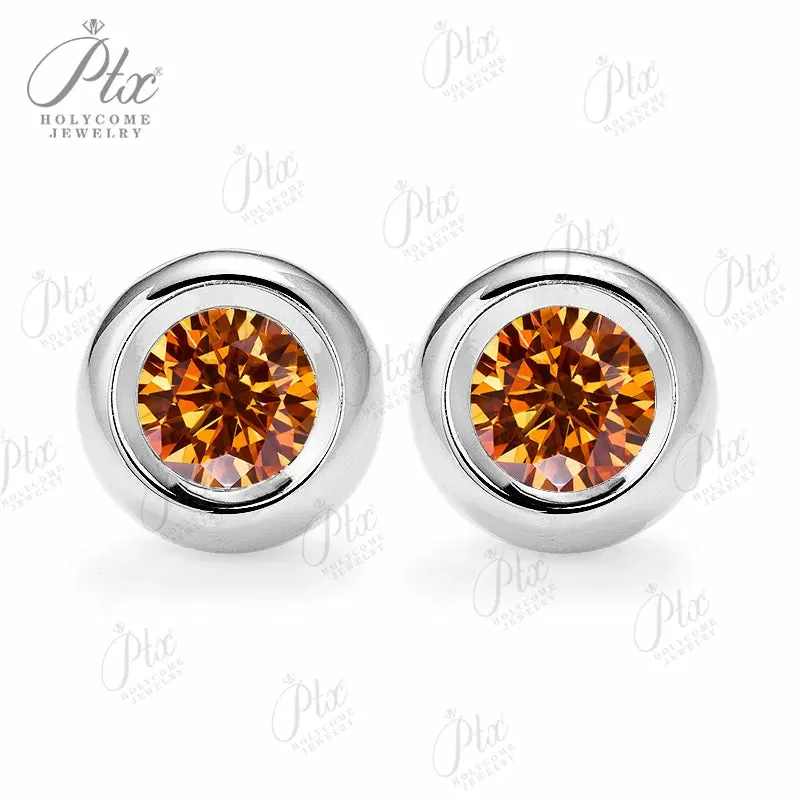
925 Silver: Bright, warm white metallic luster. Takes a high polish. Can be plated with rhodium (brighter white), gold, or rose gold. Has a premium, fine-jewelry appearance. Silver's luster is distinctive and recognizable as precious metal.
Stainless Steel: Cooler, slightly grayish white. Very durable polish but less brilliant than silver. Typically only silver-toned (gold IP plating available but less common). Has a modern, industrial aesthetic. Doesn't have the "precious metal" visual warmth of silver.
Durability and Wear
Silver: Mohs 2.5-3 (soft metal). Scratches more easily but can be polished out. Bends under force (can be reshaped). Rhodium plating adds scratch resistance. Suitable for daily wear with reasonable care.
Stainless Steel: Mohs 5-7 (much harder). Highly scratch-resistant. Doesn't bend or dent. Extremely durable — ideal for active lifestyles, work environments, and customers who are hard on jewelry. Never needs polishing.
Hypoallergenic Properties
Silver: 925 silver with nickel-free rhodium plating is hypoallergenic. Safe for sensitive skin. The copper alloy (7.5%) is sealed under plating.
Stainless Steel: Most stainless steel (316L surgical grade) is hypoallergenic. However, some cheaper steel contains nickel and can cause reactions. Surgical steel is safe for most people, including piercings.
Maintenance and Care
Silver: Tarnishes naturally (unless rhodium plated). Requires occasional polishing. Plating may need re-doing after 1-2 years. More maintenance required.
Stainless Steel: Never tarnishes. Never needs plating. Wipe clean with cloth. Virtually maintenance-free. Ideal for customers who want "wear and forget" jewelry.
Value and Perception
Silver: Precious metal with intrinsic value. Recognized as "fine jewelry." Can be sold by weight. Holds value better. Customers perceive silver as higher quality and are willing to pay more.
Stainless Steel: Base metal with low intrinsic value. Considered "fashion jewelry." Lower perceived value. Customers expect lower prices. Doesn't have resale value.
Price Comparison
Silver jewelry costs more than steel (silver is a precious metal). A silver ring: $10-25 wholesale. Similar steel ring: $3-8 wholesale. Retail prices reflect this: silver $40-100, steel $15-40. Silver offers higher absolute margins; steel offers higher percentage margins at lower price points.
Which to Stock?
Choose silver if: Your customers value fine jewelry, you serve gift/occasion markets, you want higher price points and margins, customers prefer classic/premium aesthetics, or you sell engagement/bridal jewelry.
Choose steel if: Your customers want durable, low-maintenance everyday pieces, you target active/young demographics, you need very low price points, or you sell body jewelry/piercings.
Best strategy: Stock both — silver for premium/gift lines, steel for casual/everyday/active lines. This covers the full market. Holycome specializes in 925 silver with quality plating for the premium segment.
Explore 925 silver collection — premium fine jewelry at factory prices.