How Ultrasonic Cleaning Works
Ultrasonic cleaners use high-frequency sound waves (40-45 kHz) to create millions of tiny bubbles in a cleaning solution. These bubbles implode (cavitation), generating microscopic jets of liquid that dislodge dirt, grease, and oxidation from jewelry surfaces — including areas brushes can't reach (under stones, in settings, in chain links). It's the most effective cleaning method for jewelry.
What Can Be Cleaned in Ultrasonic
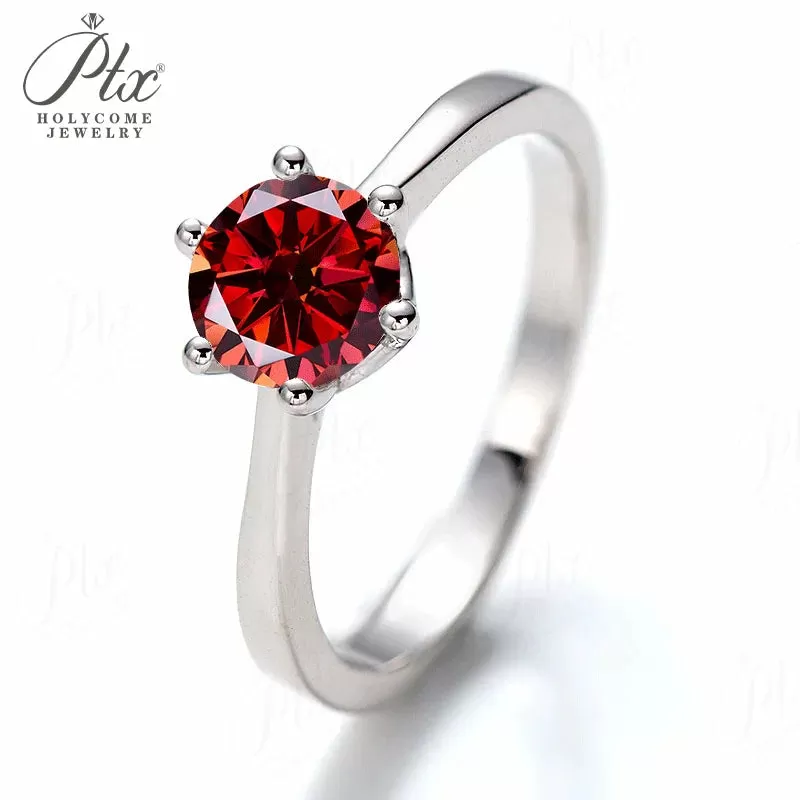
Safe: Silver, gold, platinum jewelry; diamonds (including lab diamonds); moissanite; sapphires, rubies; most gemstones set in metal; metal-only pieces (chains, bands); watches (water-resistant cases only).
Ultrasonic is especially effective for: chains (dirt in links), rings with pavé/halo settings (dirt under stones), and heavily soiled pieces. It reaches areas hand cleaning misses.
What NOT to Clean in Ultrasonic
Avoid: Pearls, opals, emeralds, amber, coral, jade, lapis lazuli, turquoise, and other porous/soft stones (ultrasonic can crack or damage them). Jewelry with loose stones (vibration can dislodge stones). Antique/foil-backed stones (can damage foil). Jewelry with glued components (glue may fail). Costume jewelry with non-precious stones.
When in doubt, check the stone's Mohs hardness — stones below 6 (pearl, opal, amber) are generally not safe.
Cleaning Solution
Commercial solution: Jewelry-specific ultrasonic cleaning solution (concentrated, diluted with water). Formulated for precious metals and safe for most stones.
DIY solution: Warm water + a few drops of mild dish soap (for general cleaning). Warm water + ammonia (10:1 ratio) for diamonds and gold (not for porous stones). Warm water + white vinegar (for silver).
Change solution regularly — dirty solution is less effective and can redeposit grime.
Step-by-Step Ultrasonic Cleaning
1. Fill the tank with warm water (not hot) and cleaning solution.
2. Pre-rinse jewelry to remove loose dirt.
3. Place jewelry in the basket (don't overcrowd — pieces should not touch each other).
4. Run for 1-5 minutes (check periodically; delicate pieces need less time).
5. Remove and rinse thoroughly with clean water.
6. Dry with a soft, lint-free cloth or air dry.
7. For extra shine, follow with a polishing cloth or steam clean.
Tips for Best Results
Heat: Warm solution (40-50°C) works better than cold. Most units have heaters.
Time: Start with 1-2 minutes, check, and add time if needed. Over-cleaning can damage some settings.
Degassing: Run the cleaner empty for 5-10 minutes before first use to remove dissolved air (improves cavitation).
Stone check: Always inspect settings before cleaning — if a stone is loose, ultrasonic can make it fall out.
Frequency: Clean jewelry every 2-4 weeks for optimal brilliance. Diamonds attract grease — regular cleaning maintains sparkle.
Commercial vs Home Units
Home units ($30-100): Small tanks (0.5-1L), lower power, good for occasional use. Suitable for personal jewelry care.
Professional units ($200-1000+): Larger tanks (2-10L), higher power, adjustable timers/temperature, degas function. Essential for jewelry stores and workshops. Handle multiple pieces and heavy soiling.
For retailers, a professional ultrasonic cleaner is a worthwhile investment — offer free cleaning as a customer service perk to drive store visits.
Maintenance
Empty and rinse the tank after each use. Wipe the tank clean (don't use abrasive scrubbers). Replace solution when dirty or cloudy. Store with the lid off to prevent odors. With proper care, ultrasonic cleaners last 5-10 years.
Browse ultrasonic cleaners — professional and home models available.