Why 925 Sterling Silver Is the Jewelry Standard
925 sterling silver is the global standard for fine silver jewelry — and for good reason. It balances beauty, durability, and affordability like no other metal. As a jewelry factory, we use 925 silver for nearly all our pieces. Here's why it's the smart choice for both retailers and customers.
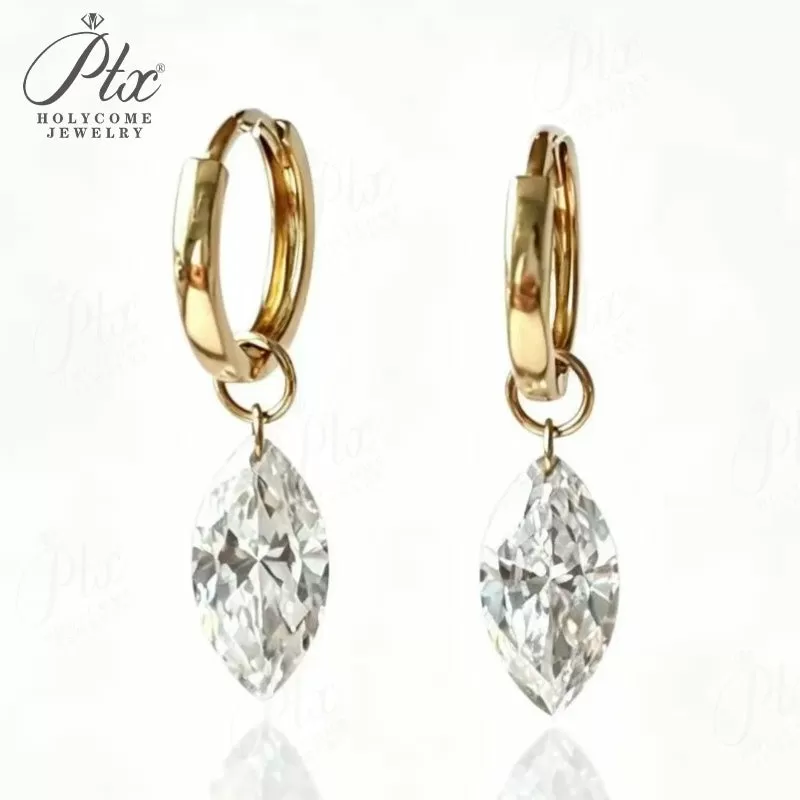
What Does 925 Mean?
"925" means the alloy contains 92.5% pure silver and 7.5% other metals (typically copper). Pure silver (99.9%) is too soft for jewelry — it scratches easily, bends out of shape, and doesn't hold stones securely. The addition of copper hardens the metal while preserving silver's beautiful luster. This 925 standard, established in 14th-century England, became the global benchmark.
Hypoallergenic and Skin-Safe
925 silver contains no nickel (the #1 jewelry allergen). When plated with rhodium (a completely inert precious metal), the result is jewelry that's safe for even sensitive skin. Unlike costume jewelry (which often uses nickel-containing base metals), 925 silver rarely causes allergic reactions. Holycome's triple-layer rhodium plating creates a complete barrier between skin and any alloys — our jewelry is genuinely hypoallergenic.
Durability for Everyday Wear
At 2.5-3 on the Mohs scale, silver is softer than gold or platinum, but the 7.5% copper alloy significantly increases hardness. 925 silver resists bending, maintains its shape, and holds gemstones securely. With proper care, silver jewelry lasts for generations. It's suitable for everyday wear — rings, earrings, necklaces, and bracelets all hold up well.
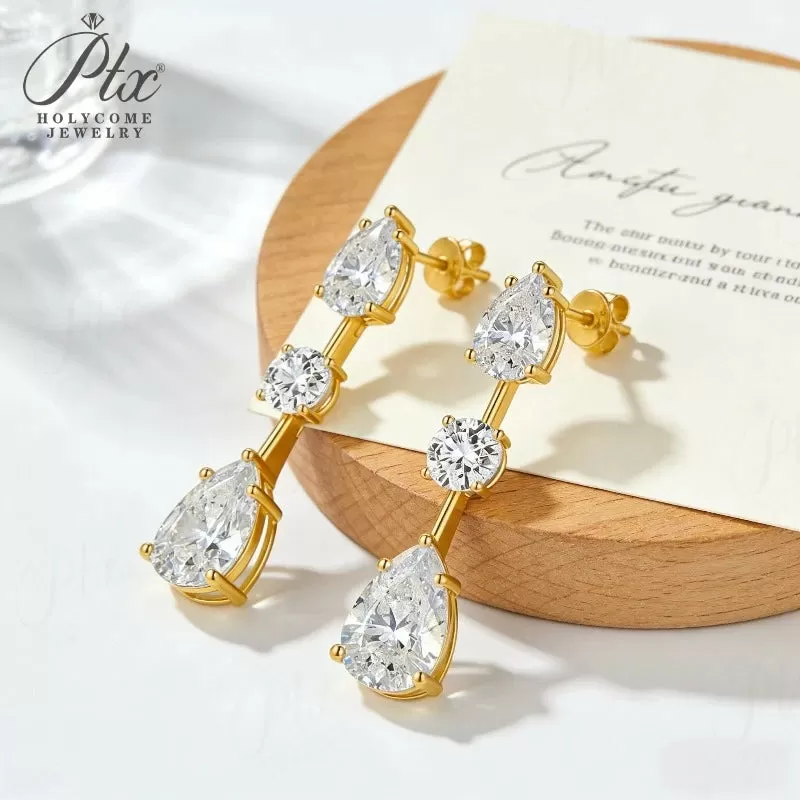
The Look of Luxury at Accessible Prices
When rhodium plated, 925 silver has the same bright white appearance as white gold or platinum — but at a fraction of the cost. A silver moissanite ring ($15-25 wholesale) looks identical to a white gold diamond ring ($500+ wholesale). This allows retailers to offer premium-looking jewelry at accessible price points, expanding their customer base to budget-conscious shoppers.
Versatility in Design
925 silver is highly workable: it casts beautifully into intricate designs, takes detailed stamping, and accepts plating well. From delicate filigree to bold statement pieces, silver can do it all. It accepts rhodium (white), gold, and rose gold plating, offering multiple color options from the same base metal. This versatility makes silver ideal for diverse jewelry collections.
Intrinsic Value
Unlike costume jewelry (base metal with no intrinsic value), 925 silver is a precious metal with real worth. Silver prices fluctuate, but the metal always has value. Quality silver jewelry can be sold, melted, or repurposed. It's not "costume" — it's fine jewelry. Customers appreciate owning genuine precious metal, even at affordable prices.
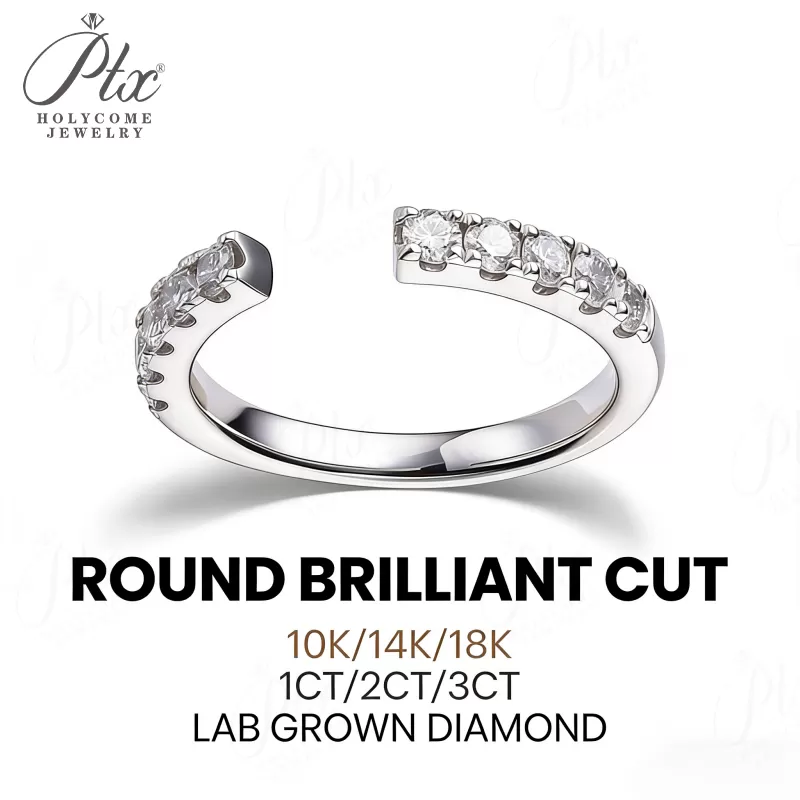
Tarnish: Normal and Manageable
925 silver naturally tarnishes (oxidizes) when exposed to air and moisture. This is a characteristic of genuine silver — jewelry that never tarnishes isn't real silver. Tarnish is easily removed with a silver polishing cloth or silver polish. Better yet, rhodium plating prevents tarnish entirely for 1-2 years. Holycome's rhodium-plated silver stays bright and tarnish-free with minimal maintenance.
Quality Verification
Genuine 925 silver is stamped with "925," "S925," or "Sterling" marks. Holycome stamps all our silver jewelry. Beware of "silver plated," "German silver" (contains no silver), and unmarked items sold as silver. When sourcing wholesale, always verify the 925 stamp and material quality. Our factory guarantees solid 925 silver — never plated base metal.
Why Holycome Chooses 925 Silver
We use 925 sterling silver for all our jewelry because it offers the best combination of: beauty (premium appearance with plating), durability (everyday wear), affordability (accessible to all customers), hypoallergenic properties (nickel-free), and versatility (any design, any color). It's the foundation of quality jewelry — and the smart choice for retailers who want satisfied, repeat customers.
Explore our 925 silver collection — quality guaranteed, factory direct.