14K Gold Rings: Weight & Wholesale Pricing
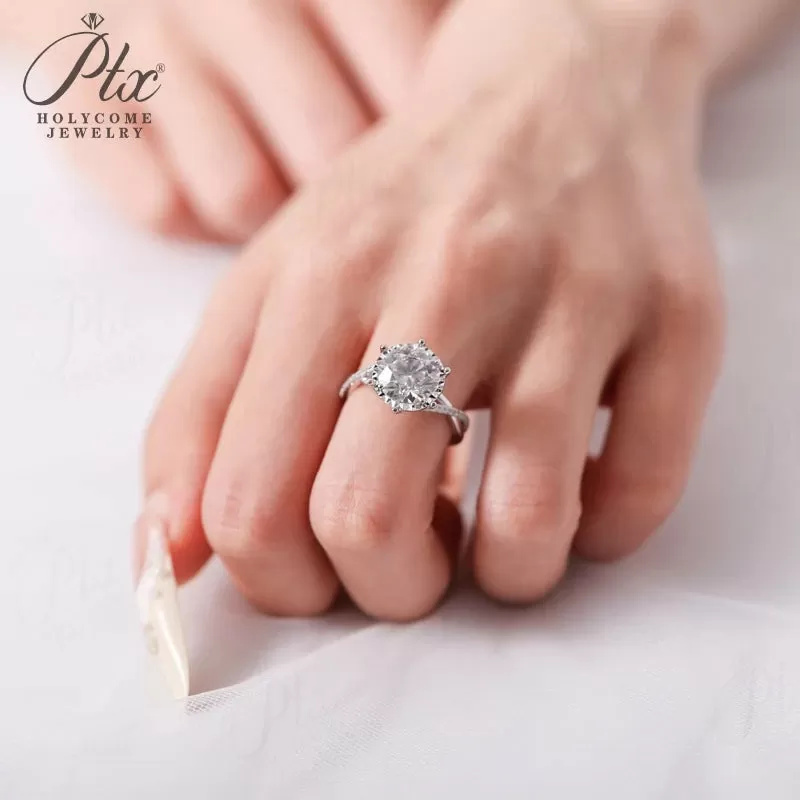
A retailer comparing a 925 silver band quote with a 14K gold band quote for the first time usually sees a price jump and assumes the factory is marking up the gold. In reality, the price difference is mostly metal weight at spot, plus a smaller fabrication charge. Buyers who understand the two-number structure spot a fair quote in one read. This guide lays out the gram weights and pricing logic Wuzhou factories use for 14K gold rings.
What 14K actually means
14K gold is 14 parts pure gold out of 24, or 58.3% gold by weight. The remaining 41.7% is alloy - usually copper and silver, sometimes zinc - added to harden the metal so a ring survives daily wear. Under US marking rules, 14K items must be stamped "14K" or "585" and are covered by the FTC Jewelry Guides under 16 CFR Part 23. For the metallurgical definition, see Wikipedia on karat purity. The lower the karat, the harder and more scratch-resistant the ring - which is why 14K beats 18K for everyday wedding bands.
Gram weight by band width
For a comfort-fit band in a US size 7, the approximate weights are: 3mm wide = 1.8-2.2g; 4mm = 2.5-3.0g; 5mm = 3.3-3.8g; 6mm = 4.0-4.5g; 8mm = 5.5-6.5g. These numbers matter because gold is priced by the gram. A 6mm 14K band at 4.2g contains about 2.45g of pure gold. When gold spot moves by $100 per troy ounce, that ring's material cost moves by roughly $8.6. Factories adjust quotes weekly on metal; fabrication stays flat. Always ask for the measured weight per SKU rather than estimating from a lookbook.
How a 14K quote is built
A wholesale 14K ring quote has three parts. First, gold weight at the day's spot plus a small alloy adjustment. Second, a fabrication charge for casting, polishing and finishing - usually a fixed dollar amount per piece, not a percentage. Third, a setting charge if the ring carries a stone. The fabrication charge is where factories differ; the gold part is the same for every factory. When you compare quotes, strip out the gold weight at the same spot price and look at the fabrication line - that is the number you are negotiating.
10K vs 14K vs 18K: the cost gap
10K is 41.7% gold, 14K is 58.3% and 18K is 75%. For a 4mm band of the same weight, the gold content difference is roughly: 10K contains about 1.05g pure gold, 14K about 1.75g, 18K about 2.25g. At a $2,400 per ounce gold spot, that is roughly $81, $136 and $175 of pure gold per ring. The retail price gap between 10K and 14K is usually narrower than the material gap because fabrication is a fixed cost. Most boutiques stock 14K as the default, with 10K as a budget entry and 18K as a premium bridal tier. Read our deeper 10K vs 14K price comparison.
Color: yellow, white and rose
14K yellow gold is the alloy balance of gold, copper and silver. 14K white gold is alloyed with palladium or nickel and then rhodium-plated; the plating wears in 1-2 years and needs re-dipping, which is a customer-service cost you should build into your return policy. 14K rose gold uses more copper and is more durable against scratching. White gold is the most ordered in our book, yellow gold the second, rose gold the third and fastest-growing. Expect rose gold to command a slight premium over yellow because of the higher copper content and finishing time.
How much does a 14K gold ring weigh?
A 4mm comfort-fit band in size 7 weighs 2.5-3.0g. Width scales weight roughly linearly: a 6mm band weighs 4.0-4.5g and an 8mm band 5.5-6.5g. Always ask for the measured gram weight per SKU, not a guess.
Is 14K better value than 18K?
For everyday wear, yes. 14K is harder, scratches less and costs 20-25% less in gold content. 18K is the choice for bridal pieces where the deeper gold color is the point.
Why do two factories quote different prices for the same 14K ring?
Strip out the gold weight at the same spot price and compare fabrication. The gold component should be within a few percent; a 20% gap means a different fabrication charge, a different casting method, or a different alloy supplier.
Should white gold rings be rhodium plated?
Yes, as shipped. Unplated 14K white gold reads slightly grey. Plating gives the bright white finish customers expect; tell your customers to expect a re-dip every 1-2 years.
Want a 14K band quote with the gold weight and fabrication line split out? Send us the widths and sizes you want and we will quote each SKU with gram weight, alloy and current gold surcharge shown separately. MOQ starts at 10 pieces per style in solid 14K. Compare K gold against silver and moissanite, plan your size run, or add inside engraving on gold bands.
Frequently Asked Questions
What ring sizes can you supply in bulk?
US sizes 5–12 including half sizes. Send a size breakdown with your order and we cast to that curve; comfort-fit inner bands reduce resize requests.
Can I order a mixed size run instead of one size?
Yes. Mixed runs are standard for wholesale: specify quantity per size and we pack and label by size at no extra labor cost.
What is the MOQ for custom ring designs?
50 pieces per design for existing molds; 100–300 pieces when a new mold or CAD model is required.
How should I price rings for retail margin?
Most partners use a 3–4x markup on FOB cost for sterling and 2.5–3x for moissanite solos, which keeps landed cost under 30% of retail.