10K vs 14K Gold Wholesale Pricing Guide
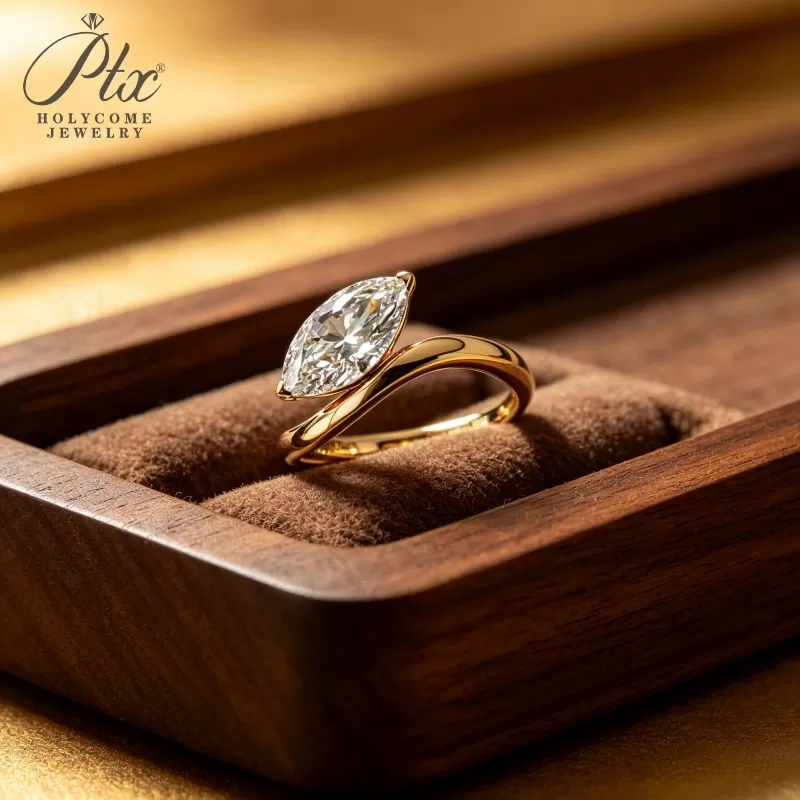
On a wholesale quote, 10K and 14K gold jewelry look nearly identical. The color is close, the weight per piece is similar, and the retail tag on a 14K piece is usually 30 to 50 percent higher. That gap is not markup; it is the cost of the pure gold sitting in the alloy, plus the customer expectation that 14K means "real gold" in a way 10K sometimes does not. Buying the right karat tier for your market is one of the highest-leverage decisions in a bulk gold order. Here is the arithmetic.
What the karat number actually means
Karat (spelled "karat" in the US, "carat" for gold in parts of Europe) measures pure gold as 24 parts. 24K is pure gold. 14K is 14 parts gold and 10 parts alloy, or 58.3% gold by weight. 10K is 10 parts gold and 14 parts alloy, or 41.7% gold. The karat system entry on Wikipedia lays out the full ladder; the practical point for buyers is that 14K carries 14/10 = 1.4 times the gold content of 10K by weight. On a piece that weighs 3 grams, that delta is roughly 0.55 grams of pure gold. At a gold spot price of $2,400 per troy ounce (31.1 grams), that 0.55 grams is about $42 of material cost before factory labor.
Color and alloy: why 14K reads warmer
The alloy metals (copper, silver, zinc, nickel) define the color. A 14K yellow gold alloy carries more copper and silver relative to base than a 10K of the same color recipe, which is why 14K yellow reads slightly warmer and richer. A 10K white gold uses more nickel or palladium to make up the missing gold, which is the reason some 10K white gold pieces need rhodium plating sooner. If you sell into the EU, the nickel content matters under REACH nickel release limits; 10K white gold alloys that use nickel are the pieces most likely to fail a nickel test, so ask for a palladium-based white alloy if you sell to EU customers.
Durability: when 10K actually wins
Higher alloy content means harder metal. 10K gold is more scratch-resistant than 14K because the non-gold metals make the alloy stiffer. That makes 10K a sensible choice for rings that take daily wear (wedding bands, stackers, children's jewelry) and for pieces where the customer wants gold color without the softness of 14K. 14K is the standard for engagement and promise rings because it is the karat most Western customers recognize as "real" and because it is the minimum most US jewelers accept for a diamond mount. The US Federal Trade Commission's Guides for the Jewelry Industry require a karat mark on the piece, so the karat you buy is the karat you must stamp.
Wholesale price ladder and retail markup
As a rule of thumb, a 14K piece costs roughly 25 to 35 percent more at wholesale than the same design in 10K, once you add the gold content delta and the slightly higher labor on a softer alloy. Retail pricing usually expands that gap: a 10K piece might retail at 2.5x wholesale, while a 14K piece retails at 3x to 3.5x because customers accept a higher ticket on the karat they recognize. For a first bulk order, stock 60% 14K and 40% 10K if your market is mainstream US or Canadian. Push 10K up to 60% if you sell everyday stackers and children's pieces; push 14K up to 80% if you sell engagement-adjacent solitaires. We compare metal tiers across silver and gold in K gold versus silver for retailers, and the stone side of the mount in sourcing moissanite rings wholesale.
If you are comparing karat gold against a silver mount for the same design, our K gold versus silver for retailers guide lays out the ticket-price and customer-expectation differences side by side.
Hallmarking and paperwork
Every karat piece should arrive with a stamp on the inside of the band or on the clasp: "10K", "14K" or "585" (the European 14K mark). Ask the factory to photograph the stamp on a sample before bulk. For US sales, the FTC guides require the karat mark to be truthful; a 10K piece stamped 14K is a federal problem, not a quality issue. For EU sales, some member states require an assay office mark above a certain weight, which adds lead time. Plan for both when you mix channels.
Frequently asked questions
Is 14K gold worth the extra wholesale cost?
For engagement-adjacent and gift pieces, yes, because customers recognize 14K as the standard and accept a wider retail markup. For everyday stackers and children's pieces, 10K's hardness and lower cost are the better fit.
Why is 10K white gold more likely to tarnish or irritate?
Because it uses more alloy metal to make up the lower gold content. Nickel-based white alloys are the common irritant; ask for palladium-based white gold if you sell to sensitive-skinned or EU customers.
What karat mark should I stamp on the piece?
The actual karat. 10K, 14K, or the European 585 mark. The FTC requires the mark to match the metal, so never stamp a higher karat than the alloy.
How much more gold is in 14K than 10K?
By weight, 14K is 58.3% gold and 10K is 41.7%, a 1.4x ratio. On a 3-gram piece that is roughly 0.55 grams of additional pure gold.
We supply 10K and 14K mounts and finished jewelry in yellow, white and rose, with verified stamps and assay paperwork. Send your design list and the karat tier per SKU; we quote on current gold weight.