Budget Necklace Value: How to Get the Most Sparkle Per Dollar
You want a necklace that actually sparkles, but you are not trying to spend a fortune. Maybe your jewelry budget is modest, maybe you are building a collection, or maybe you simply refuse to pay boutique prices for something that will scratch against your desk all day. Good news: the most sparkle per dollar does not require the biggest budget, but it does require knowing where to spend and where to save. This guide is written for the budget shopper who wants a necklace that looks far more expensive than it cost. We will show you exactly which parts of a necklace are worth paying for, which parts you can save on without losing looks, how to choose a stone that dazzles cheaply, and how to shop so every dollar buys you visible sparkle.
We make affordable moissanite and silver jewelry in Wuzhou, and we see how budget buyers get the best results. The secret is not to buy the cheapest necklace you can find, because cheap pieces look cheap. The secret is to spend your limited money on the things that actually show, and save on the things that do not. A few choices, made well, let a twenty or thirty dollar necklace read as a far more expensive one, while a few wrong choices make a seventy dollar necklace look like costume jewelry. The difference is entirely in where you direct the spend.
We will cover why moissanite is the budget sparkle champion, how the setting and chain split the budget, which necklace styles look the priciest, what packaging and finish signals quality, and how to compare listings without getting fooled. By the end, you should be able to open any budget necklace listing and judge whether it is a genuinely good value or a cheap imitation dressed up with marketing words.
The mindset shift matters more than any single product. Most budget shoppers assume that a good-looking necklace must cost a lot, so they either overpay out of fear or underbuy and end up disappointed. Once you understand which components carry the looks and which are pure markup, you can buy with confidence and consistently land on pieces that exceed expectations. The goal is not to spend as little as possible. It is to spend what you do have as effectively as possible, and to stop treating sparkle as a luxury you cannot afford.
Why Moissanite Is the Budget Sparkle Champion
The single biggest lever in budget necklace value is the stone, and here moissanite is unbeatable. A cultured moissanite delivers bright, rainbow sparkle at a fraction of the price of a diamond, and at a fraction of even many colored gems. For a budget buyer, this means you can afford a one-carat or larger stone that reads as clearly precious, without stretching the budget. There is no cheaper way to get this much visible sparkle, which is why moissanite dominates the value necklace market.
Moissanite also rewards budget shoppers because its price grows gently with size. Unlike a diamond, where going from one to two carats multiplies the price several times, a larger moissanite costs only somewhat more. That means the best value move on a budget is often to step up the stone size rather than overpaying for tiny increments. A two-carat look on a modest budget is achievable with moissanite in a way it never is with diamond. We break the cost structure down in what a moissanite necklace actually costs.
The catch is cut quality. A cheap, poorly cut moissanite looks dull and wastes your money, because the sparkle is the whole point. On a budget, do not chase the absolute lowest price per carat. Choose a seller whose photos show real, lively sparkle in normal light, because a well-cut smaller stone beats a poorly cut larger one. The budget value is not the cheapest stone; it is the stone that actually sparkles when you wear it.
Where to Spend: The Stone and the Setting
On a tight budget, allocate your money where it shows. The center stone is the first priority, because it is the thing people look at. Buy the best-cut, clearest stone you can afford, and do not skimp on it to save a few dollars. A brilliant stone carries the whole necklace, and even a simple setting around it will look good. A dull stone, by contrast, cannot be rescued by an ornate setting.
The setting is the second place worth spending, but in proportion. A clean, well-made prong or bezel setting that holds the stone securely and finishes smoothly reads as quality, even if it is simple. You do not need an elaborate halo or engraved details to look expensive; a tidy, well-finished silver setting does the job. What you should not do is buy a heavy, ornate setting around a cheap stone, because the eye will notice the dull stone first. Match the setting to a stone worthy of it.
Polishing and finish are the quiet budget value boosters. A necklace that is smoothly finished, with no rough edges and bright plating, looks expensive at any price. Rough castings, visible seams, and dull plating look cheap even on an expensive piece. When you compare budget listings, look at the close-up finish in the photos. The piece with clean, bright, smooth detailing is the better value, even if it costs a little more than the one that looks rough.
Where to Save: The Chain and the Box
Now the surprising part: the chain and the packaging are where you can save without losing looks. A simple sterling silver cable chain does the job, and you do not need a fancy expensive chain to make a budget necklace look good. As long as the chain is sturdy enough for the pendant and has a reliable clasp, a plain chain lets the pendant be the star. You can save here and put the money into the stone, where it actually shows.
Packaging is another place to save, unless the necklace is a gift. A plain pouch is perfectly fine for a necklace you wear yourself, and paying extra for a luxury box buys you something you will throw away. If it is a gift, a modest upgrade to a nicer box is worth it, but for everyday wear, skip the packaging premium. The necklace is what matters, not the box it arrived in. We cover chain choices in silver chain types.
The principle is simple: spend on what touches the light, save on what does not. The stone and its setting touch the light and the eye, so they deserve the budget. The chain, the box, and the branding do not, and saving there lets you afford a better stone. Budget shoppers who follow this ratio consistently end up with necklaces that look twice their price.
Styles That Look Expensive on a Budget
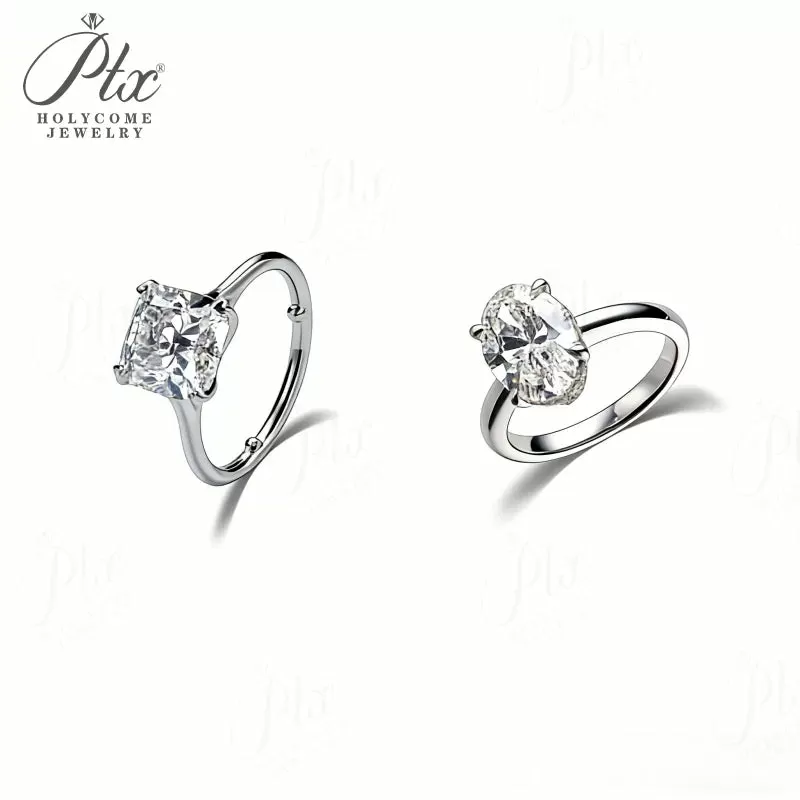
Some necklace styles naturally read as more expensive than they cost, and choosing one is a free value boost. A solitaire pendant is the classic: a single bright stone on a clean chain looks elegant and intentional at any price. It never looks cheap, because the design is honest and the stone does the work. If you want maximum prestige for minimum money, a well-cut solitaire is the most reliable choice.
A halo pendant is the next budget trick. The ring of small stones makes the center look larger and more luxurious, and those small side stones are cheap to add. A halo pendant reads as a statement piece while costing little more than a solitaire. It photographs beautifully and catches light from every angle, which is why it looks like a splurge. For a budget buyer who wants drama, the halo delivers more sparkle per dollar than almost any other design.
Avoid overcomplicating. A pendant with too many details, charms, or layers looks busy and can read as cheap when budget-built. The most expensive-looking budget necklaces are the simplest ones, where a single brilliant stone sits cleanly on a good chain. Choose a style that lets the stone shine rather than competing with it, and the necklace will always look considered, not cheap. We discuss the range in moissanite pendant styles.
Spotting the Fake Value Listings
Budget shopping online means sorting real value from dressed-up cheapness, and a few signs separate them. A listing that uses only vague words like stunning, luxury, or designer inspired, without any specs, is hiding something. Real value listings tell you the stone size, the metal, the chain length, and the clasp type. If the details are missing, the necklace is probably the cheapest possible version dressed up with adjectives.
Stock photos are another warning. A real seller uses photos of the actual piece, often on models or in natural light. A seller who reuses generic catalog shots may not control quality and may send you something different. Ask for a real photo of the actual pendant, or choose sellers who show their pieces honestly. We cover how to read pricing in necklace pricing analysis.
A price far below everyone else is usually a trap. A one-carat moissanite silver pendant cannot be produced and shipped for almost nothing, and a listing claiming otherwise is selling CZ, thin plating, or a flimsy chain. Compare three or four similar listings and notice the normal price band. The listings clustered in that band are the honest ones; the one dramatically cheaper is the one to avoid. Real budget value sits in the reasonable middle, not at the absolute bottom.
The Lighting Test: Why Sparkle Looks Different at Home
A budget necklace can surprise you in the wrong way if you only judge it online. Studio lighting flatters every stone, and a pendant that looks dazzling in a catalog photo can look ordinary under your desk lamp. This is why the budget value move is to buy from a seller who shows the stone in natural light and offers a return window. When the pendant arrives, look at it in daylight near a window, where the real sparkle shows. If it does not catch light the way you hoped, send it back. No amount of studio trickery should be allowed to decide what hangs on your neck.
This also means you should plan to wear the necklace in the lighting you actually live in. If your home and office are warm, soft indoor light, a stone with bright white brilliance may read better than one that relies on harsh sunlight. If you spend time outdoors, the dramatic fire of a well-cut moissanite will show more. Buy the sparkle for your daily light, not for the showroom. A necklace that looks stunning in your own kitchen is the one you will actually enjoy.
Cleanliness changes sparkle more than price does. Even a brilliant stone looks dull when covered in lotion film and skin oils, and a budget necklace that looks lifeless may simply be dirty. Wash it in warm soapy water and polish the stone before you judge it. Many shoppers send back perfectly good pendants because they never cleaned off the factory film. Give the necklace a proper clean the moment it arrives, and judge it after that, not before.
Building a Budget Collection Layer by Layer
The smartest budget buyers do not buy one expensive necklace. They build a small collection of affordable, mixable pieces, and that collection looks far richer than a single pricey pendant. Start with a classic solitaire that goes with everything. Add a slightly longer chain for layering. Introduce one small charm or bar pendant for variety. Because each piece costs little, you can layer two or three together and look deliberately styled for the price of one boutique necklace. We cover the look in necklace layering.
Buying this way also reduces risk. If one necklace breaks or you tire of it, you are not out a large sum. You rotate pieces, mix them, and keep the look fresh without overspending. A layered set of three affordable moissanite pendants gives you more outfit combinations and more daily sparkle than a single statement piece worn once a month. For budget value, variety beats one luxury item almost every time.
When you build a collection, keep the metal and finish consistent so the pieces layer harmoniously. Stick to bright silver or a single gold tone across your pendants, and choose similar chain thicknesses. A coherent small collection looks intentional and expensive, even though each piece was cheap. The goal is not to own many random necklaces, but to own a few coordinating ones that work together. That polish is what makes a budget collection look like a considered wardrobe.
What Budget Shoppers Always Wish They Had Bought
After years of selling to budget buyers, we see the same pattern in what people later wish they had chosen. Almost no one regrets spending a little more on a brighter, better-cut stone. They do regret buying the cheapest option that looked dull in real light. The stone is the heart of the necklace, and under-investing there is the most common budget mistake. If you stretch anything, stretch it on the stone, because that is what you and everyone else will look at.
People also wish they had chosen a slightly longer or adjustable chain. A pendant that sits at a flattering length gets worn constantly; one that sits awkwardly gets ignored. When in doubt, buy a chain with an extender so you can adjust the length to your neckline. This small flexibility makes a budget necklace far more versatile and means you reach for it more often. We cover lengths in the necklace length chart.
The final wish is usually that they had bought two instead of one. Budget pendants are so affordable that buyers who love their first one often want a second in a different style or length. Because the price is low, there is no reason to agonize over a single perfect choice. Pick one you like, and you can easily add another later. Budget value is about starting small and building gradually, not about finding one necklace that has to do everything.
Comparing Listings the Smart Way
When you have narrowed your options to a few budget pendants, compare them on spec rather than on price alone. List the stone size, the metal, the chain length and gauge, the clasp type, and the return window for each. Two pendants priced the same can differ dramatically in these details, and the one with the thicker chain, the lobster clasp, and the clear return policy is the better value even if the photo is less polished. Treat the listing like a spec sheet, not like a mood board.
Read the questions and reviews if the listing has them. Budget buyers who ask about the chain weight or the stone grade, and sellers who answer those questions in detail, are signs of a reputable source. Reviews that mention the necklace still looking good after months of wear are worth more than reviews that only praise the unboxing. Look for durability feedback, because a budget necklace that lasts is the real value, and one that breaks in a month was never a bargain no matter how cheap it was.
Do not pay for features you will never use. A pendant advertised with luxury packaging, an extended warranty you will not claim, or a branded box you will discard adds cost to a necklace you wear yourself. Strip the purchase down to the stone, the setting, and the chain. Those are the parts you live with every day. Everything else is optional, and skipping it keeps the budget where it belongs, on the sparkle.
Frequently Asked Questions
How much should I spend on a good budget necklace? A well-made one-carat moissanite silver pendant delivers excellent value at an accessible price. Below that, quality corners get cut; above it, you are paying more for design and branding than sparkle.
Is it worth buying a cheaper necklace to save money? Only if it still uses a real, well-cut stone and a sturdy chain. The cheapest necklaces cut corners on both and look cheap. Spend on the stone, save on the chain and box.
What stone gives the most sparkle for the money? Moissanite. It produces bright, firey sparkle at a fraction of diamond's cost, and larger sizes remain affordable. It is the best value stone for budget necklaces.
How can I make a budget necklace look expensive? Choose a simple solitaire or halo in a well-cut stone, keep the setting clean and bright, and wear it on a good chain. Simplicity and a brilliant stone read as luxury at any price.
Sparkle Does Not Need a Big Budget
Getting the most sparkle per dollar is not about hunting the lowest price. It is about directing your budget toward the stone and the finish that actually show, and saving on the chain and packaging that do not. Choose a well-cut moissanite, keep the design simple, buy from a seller who shows real specs and real photos, and your budget necklace will look like a far more expensive one. The sparkle you want was never gated behind a luxury price tag. It was gated behind knowing where to spend.
Start with one classic piece, wear it in your real light, and build from there. You will quickly learn what sparkles for you, and the budget will stretch further than you ever expected. A brilliant necklace does not require a fortune. It requires a little knowledge, and that is the whole secret, the one that turns a modest budget into a genuinely impressive collection.
We make factory-direct moissanite and silver pendants built to deliver maximum sparkle at honest prices, with real photos and clear specs. Contact us at service@holycome.com for our best-value range or wholesale pricing, and see the options in the necklaces category. For more on what makes a necklace worth its price, read the real cost of a moissanite necklace.