Drop Earrings vs Studs Value - HOLYCOME
When people shop for silver earrings, they usually land on one of two shapes: a stud, which sits flat on the earlobe, or a drop, which hangs below it. Each has its fans, but for value, they play very different roles. A stud is the daily, permanent, never-takes-it-off piece. A drop is the decorative, occasional, dressier piece. Understanding the difference helps you buy the right one for the right purpose, and avoid paying for a drop you rarely wear or under-buying a stud you live in. This guide compares the two by value, comfort, versatility, and cost, so you can build an earring wardrobe that makes sense. As a factory that makes both studs and drops in 925 silver, we see which ones customers actually wear, and this is the honest comparison.
The goal is to help you decide how much of your earring budget should go to studs versus drops, and how to buy each one well.
What a Stud Does Best
A stud is the most practical earring ever made. It sits flush against the lobe, never catches on clothing, and can be worn while sleeping, exercising, and working. Because it is small and fixed, it is comfortable enough to leave in for weeks. This is why studs are the default for everyday wear. A well-made stud on a solid silver post becomes essentially invisible to you, while still making your ears look finished. The stud's value lies in this permanence: you buy it once, wear it constantly, and its cost per wear collapses. It is the highest-value earring you can own, purely because you actually wear it.
Studs are also the most versatile. A clean stud works with a t-shirt, a suit, or an evening dress. It never looks out of place. You can stack a small hoop next to it, or let it stand alone. For most people, a pair of studs is the only earring they truly need, and everything else is optional. We discuss this wardrobe role in moissanite stud value, and the core point is that a stud is the piece you build your collection around. Its value is constant and reliable.
The tradeoff is that a stud is subtle. It is not dramatic or eye-catching. If you want earrings that draw attention or move with you, a stud will not deliver that. It is the quiet foundation, not the statement. That is fine, because the foundation is what you wear most. But it means the stud alone does not cover every occasion, which is where the drop comes in.
What a Drop Does Best
A drop earring hangs below the lobe, adding length, movement, and decoration. It draws the eye downward, elongates the face, and catches light as it swings. Drops are inherently more decorative than studs. They can feature stones, shapes, and movement that a simple stud cannot. This makes them the piece you reach for when you want your ears to be noticed: for an outfit, an event, or a selfie. A drop adds personality and style that a stud simply cannot. Its value is in the moments when you want to dress up.
But drops have downsides that affect their value. They are larger, so they catch on hair and clothing. They are heavier, so they pull on the lobe over a long day. They are less comfortable to sleep or exercise in, so people take them off. This means a drop is worn far less often than a stud. A beautiful drop you wear once a month has a high cost per wear, even if it looks stunning. Its value is real, but it is concentrated in those special moments rather than spread across everyday life.
This is not a reason to avoid drops. They are genuinely lovely, and most earring wardrobes need them. It is a reason to buy them thoughtfully. Choose a few well-made drops in silver that suit your style, and do not overspend, because you will not wear them constantly. We discuss styling drops in mix and match trends, and the same layering logic applies. The drop is the accent; the stud is the constant.
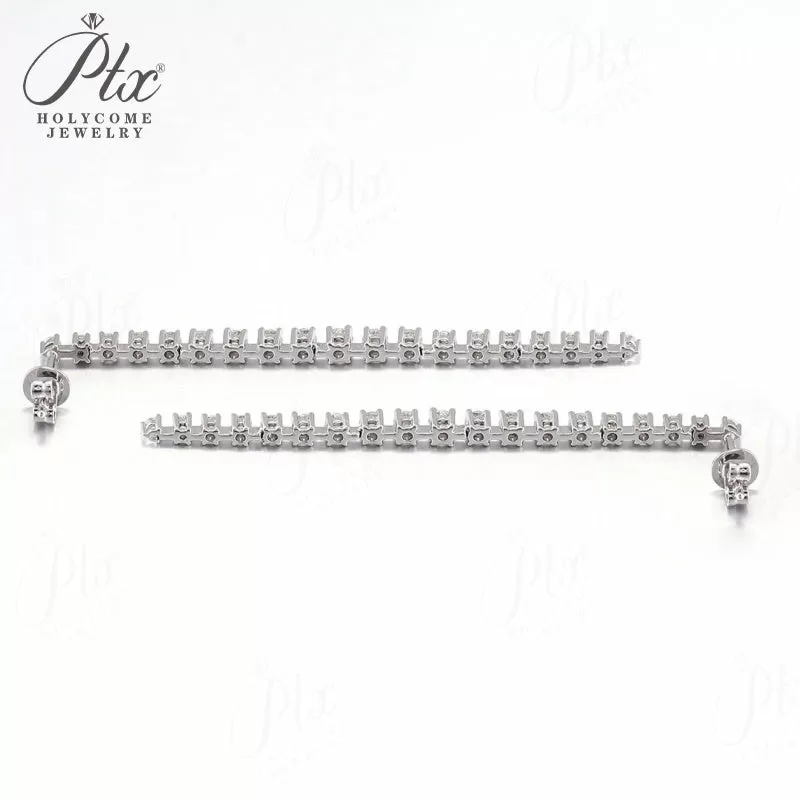
Cost Per Wear: The Stud Wins for Everyday
When you compare studs and drops by cost per wear, the stud almost always wins. A stud worn every day for two years, even one that cost twenty dollars, works out to pennies per wear. A drop worn twice a month, especially an expensive one, works out to dollars per wear. This does not mean the drop is a bad purchase. It means the stud delivers more total value because it is used more. The wisest earring budget spends most on the stud foundation, and less on the occasional drops.
Many people get this backwards. They splurge on a dramatic drop for a special occasion, then wear a cheap uncomfortable stud every day. They would be better off spending on a comfortable, well-made silver stud they love, and buying a reasonably priced drop for evenings. The stud's daily wear justifies a modest investment, while the drop's occasional wear does not justify a large one. We apply this same framing in cost per wear, and the principle transfers directly to earrings.
Because silver is affordable, you can have both. A few solid silver studs in different sizes, plus two or three silver drops for variety, cost less than one expensive designer piece. This balanced wardrobe gives you everyday wearability and occasional drama, without overspending on either. The people who look best in earrings are usually the ones who own a few well-made silver pieces and rotate them, not the ones who own one pricey piece they rarely wear.
Comfort and Durability Differences
Comfort also separates the two. A stud, with a thin post and a small back, is comfortable enough to forget. A drop's weight and movement can become tiring after hours, especially if it is heavy. This is why the post and backing matter so much for drops: the heavier the drop, the more secure and comfortable the post must be. A heavy drop on a flimsy post will both hurt and fall out. When you buy a drop, check that its weight is proportionate and its post is solid. A well-made silver drop should sit comfortably, not pull.
Durability differs too. A fixed stud, with nothing moving, lasts almost forever. A drop has more parts: the connector, the moving piece, the setting. Each joint is a place where wear and loosening occur. Drops need occasional checks to make sure connections are tight. This is normal, but it means a drop requires slightly more care than a stud. We cover the hardware details in posts and backs durability, and for drops, a sturdy post and secure connection are essential.
For both, solid 925 silver is the right material. It is hypoallergenic, durable, and affordable enough to buy in multiple styles. Whether you choose a stud or a drop, the silver base ensures it is comfortable and long-lasting. The shape is about function and style; the silver is about comfort and value. Getting both right means your earrings feel as good as they look.
How to Build the Right Mix
A sensible earring wardrobe starts with studs. Buy one or two pairs of well-made silver studs in sizes you like, and wear them daily. Then add drops for occasions. Two or three drops, in different lengths and styles, cover most dressy moments. This gives you the constant foundation and the occasional accent, which is all most people need. Resist the urge to buy many cheap pairs that irritate or bend. A few solid silver pieces, worn and loved, beat a drawer full of disposable earrings.
Because silver is affordable, you can afford to choose quality over quantity. A solid silver stud and a well-made silver drop, both bought direct, cost modestly and last years. You are not choosing between studs and drops; you are choosing the right balance of both. Start with the stud, since you will wear it most, and add drops as occasions arise. Over time, this balanced approach gives you earrings for every moment, bought without overspending.
Can You Wear a Stud and a Drop Together?
One of the most stylish ways to wear earrings is to mix a stud with a drop in the same ear, or to wear a stud in one ear and a drop in the other. This layered look is popular because it adds depth without needing a single dramatic piece. A clean stud anchors the lobe, while a small drop hanging beside it adds movement. Because silver is affordable, you can experiment with this mix without spending much. The key is to keep the pieces coordinated in metal, so the stud and drop both read as silver. This lets you build a look from separate pieces you already own, which is another reason studs are the foundation.
If you have multiple piercings, the stud-versus-drop choice disappears entirely. You can wear a stud in the first hole, a small hoop in the second, and a drop in the third, creating a curated ear. This is why many people start with studs and add hoops and drops as they add piercings. The stud is always the piece closest to the face, and the drops hang further out. Building a curated ear is easiest when your pieces are all solid silver, so they match and do not irritate. We discuss curating a collection in curating your jewelry, and a mix of studs and drops is the natural starting point.
This mixing freedom is a hidden value of owning both. A drawer full of identical studs limits you, just as a drawer full of dramatic drops does. Owning a few studs and a few drops gives you combinations. On a normal day, you wear just the stud. On a dressed-up day, you add the drop. The same pieces deliver two different looks. That versatility makes each purchase more valuable, because one pair participates in multiple outfits.
Where the Money Goes in Studs Versus Drops
Because the two shapes are worn differently, the money you spend on each should differ. For a stud, spend on the post and stone quality, since you will see it every day and it must be comfortable. A well-made moissanite stud on solid silver is worth a modest investment, because you will wear it constantly. For a drop, spend on the design and finish, since that is what makes it special, but do not overspend, because you will wear it less. A drop's value is its appearance on the occasions you wear it, not its daily endurance.
This means comparing a stud and a drop by price alone is misleading. A thirty-dollar stud you wear every day is a bargain. A thirty-dollar drop you wear once a month is more expensive per wear than it looks. The same price delivers very different value depending on how often the piece is used. So when you shop, ask how often you will actually wear each shape. Buy the stud generously, because it earns its keep. Buy the drop selectively, because its value is concentrated. We explain the supply-side pricing in Wuzhou cost breakdown, which shows why direct silver pricing makes both shapes affordable.
For retailers, this distinction guides inventory. Studs are high-turnover basics that customers reorder and wear constantly. Drops are higher-margin fashion pieces that attract customers browsing for something special. stocking both, in solid silver, serves the everyday need and the occasional treat. The customers who buy a stud first often come back for a drop, building a relationship. This is why a balanced earring range works so well, and why silver is the perfect material for it: affordable enough for the daily stud, attractive enough for the occasional drop.
Face Shape and the Stud-Versus-Drop Choice
Beyond value, the shape you choose also depends on your face. A stud sits at the lobe and adds a small point of brightness, which suits almost every face. A drop hangs below the lobe, adding vertical line that elongates. If you have a rounder face, a drop's length can be flattering, drawing the eye downward. If you have a longer face, a stud or a shorter drop may balance you better. This is not a rigid rule, but it explains why some people naturally reach for studs and others for drops. The shape that flatters your face is the one you will actually wear, which makes it the higher-value choice for you personally.
Because silver is affordable, you can experiment rather than guess. Try a stud, a small hoop, and a short drop, and see which makes your face look and feel best. Most people discover they prefer one shape for daily wear and another for dressing up, which brings us back to the balanced wardrobe. There is no single correct answer; the value is in choosing shapes that suit your face and your life. We discuss styling more broadly in curating your jewelry, and face shape is one of the quiet factors that should guide what you buy.
The practical takeaway is that neither studs nor drops are universally "better." They are tools. The stud is the reliable daily tool. The drop is the special-occasion tool. Owning both, in solid silver, lets you adapt to your face, your outfit, and your mood. When you choose them based on how you will actually wear them rather than on trend or price tag, every pair earns its place in your collection. That is the whole point of buying earrings well.
What About Hoops?
Between studs and drops sits the hoop, which blends both functions. A small hoop is worn daily like a stud, offering a bit more shape. A large hoop is dressier like a drop. Hoops are the most versatile middle ground, and many people build their everyday look around a silver hoop instead of a stud. They frame the face, swing gently, and work with every outfit. If you are unsure whether to start with a stud or a drop, a small solid silver hoop is often the best single choice, because it gives you both the daily wearability of a stud and a touch of the movement of a drop.
We cover hoops in detail in hoop size and weight, but the relevant point here is that hoops belong in the same value conversation. They are everyday pieces you can wear constantly, priced on their silver weight. So when you build your wardrobe, think of three everyday shapes: the stud for pure simplicity, the small hoop for gentle movement, and the drop for occasions. Together, they cover everything. You do not need many pairs; a couple of studs, one hoop, and two drops in solid silver give you a complete, wearable collection.
This is the practical wisdom of earring buying. People often overbuy, filling a drawer with pieces they never wear. The truth is that a small number of well-made silver shapes, chosen to suit your face and rotated daily, is enough. Start with the everyday stud or hoop, add a drop for dressing up, and stop there. Your ears will always look finished, and your budget will stay sensible. The value is not in how many pairs you own, but in how often you wear each one.
Frequently Asked Questions
Studs or drops, which should I buy first? A stud. It is the everyday foundation you wear constantly, and it delivers the lowest cost per wear. Add drops afterward for occasions.
Are drop earrings worth the money? They are worth buying, but modestly. They are worn occasionally, so overspending on them yields a high cost per wear.
Can I sleep in a drop earring? Usually not comfortably. Drops are designed for wear during the day and evening, not overnight. Studs are the ones to leave in.
What material is best for both? Solid 925 silver, which is hypoallergenic, durable, and affordable enough to buy in both stud and drop styles.
The Bottom Line
Studs and drops serve different purposes. The stud is your everyday, comfortable, constant piece with the lowest cost per wear. The drop is your occasional, decorative accent for dressing up. Buy most of your earring budget on well-made silver studs you wear daily, and add a few reasonably priced silver drops for variety. That balance gives you both comfort and style, without overspending on earrings you rarely wear. Choose the stud for the years, the drop for the evenings, and let the solid silver base make both feel good on your ears. That is the formula for an earring collection that never disappoints, and it costs far less than chasing one expensive piece that you rarely even wear. Start today, and enjoy the difference right away, every single day of the year, for many happy and comfortable years to come, happily and often, without regret or worry at all, ever again, truly and often, now and forever, always.
If you want solid 925 silver studs and drops priced honestly, our Wuzhou workshop makes both factory direct. Reach us at service@holycome.com, and browse our 925 silver collection to build a balanced earring wardrobe.
At the end of the day, the stud-versus-drop question is really a question about how you live. If you are the person who wants earrings you forget you are wearing, choose the stud, and choose it well. If you are the person who loves adding a bit of movement and drama to an outfit, choose a few drops, and enjoy them on the days they shine. There is no need to feel you must pick one exclusively. Most people are happiest with a stud they never take out, a small hoop for variation, and a couple of drops for when they want to dress up. That small, solid silver wardrobe covers every moment, costs far less than one overpriced piece, and earns its keep through constant, comfortable wear.