How to Build a Jewelry Collection
Curating a Profitable Jewelry Collection
A well-curated jewelry collection balances timeless best sellers with on-trend pieces, covers multiple price points, and appeals to your target customer. Randomly selecting products leads to slow-moving inventory and missed sales. This guide covers how to build a cohesive, profitable jewelry collection.
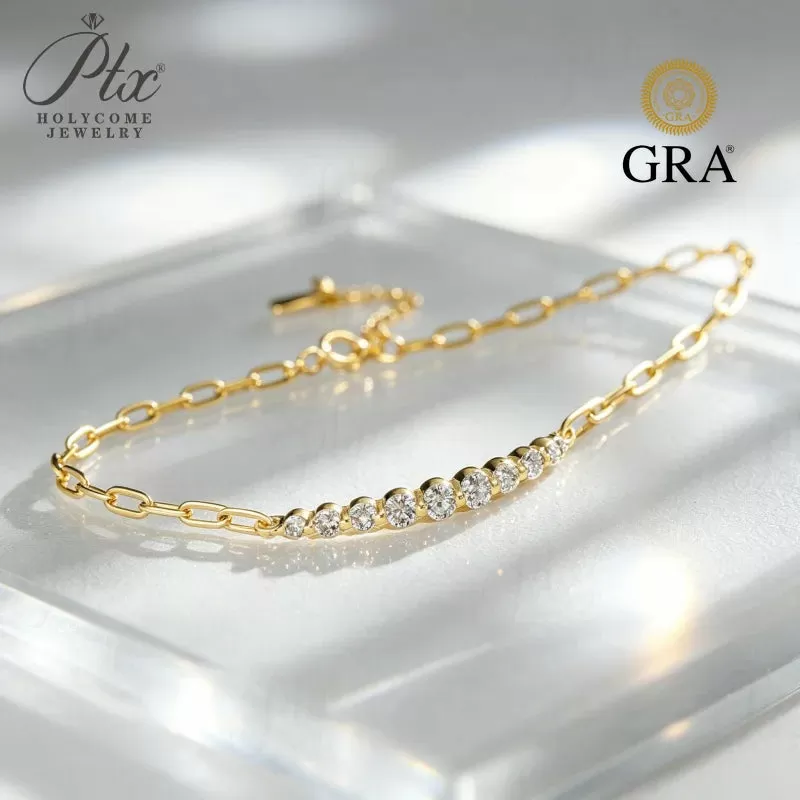
Start with Your Target Customer
Before selecting products, define who you're selling to:
Demographics: Age, gender, income, location.
Style: Classic, bohemian, minimalist, edgy, vintage, romantic.
Budget: What price range do they shop?
Occasion: Everyday wear, special occasions, gifts, work.
Every product decision should serve this customer. If your customer is a 25-year-old minimalist professional, chunky statement pieces may not sell — but delicate layering necklaces will.
The Core Collection (60% of Inventory)
These are timeless, always-in-stock pieces that sell year-round:
Earrings: Stud earrings (diamond/moissanite/CZ), small hoops, pearl studs. These are the "bread and butter" — every woman needs them.
Necklaces: Simple pendant necklaces, chain necklaces (cable, box), solitaire pendants. 16-18 inch lengths.
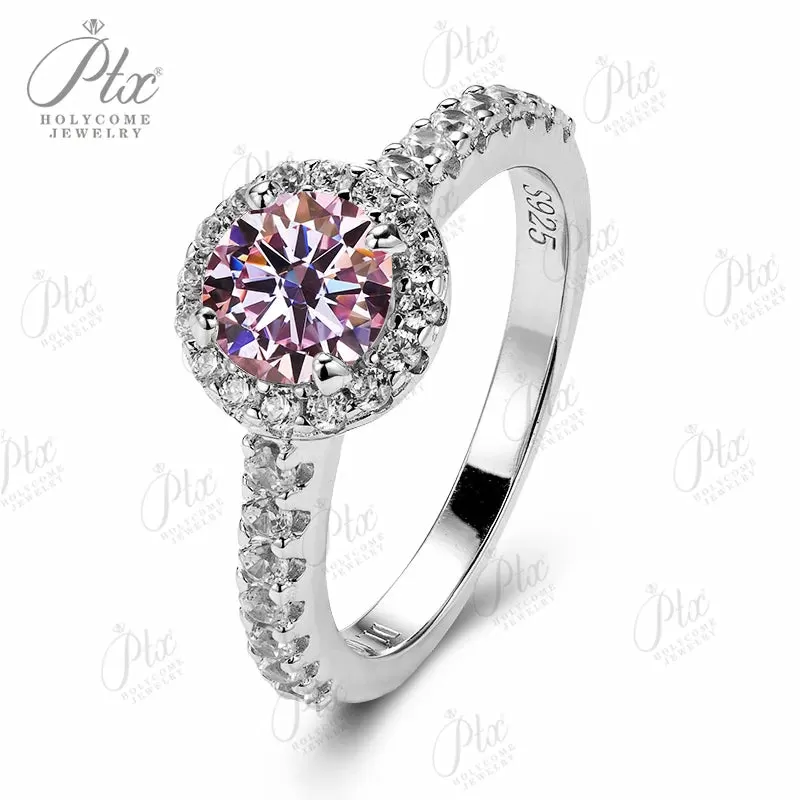
Rings: Solitaire rings, simple bands, stackable rings. Classic designs.
Bracelets: Tennis bracelets, chain bracelets, simple bangles.
Core pieces should be in neutral metals (silver, gold) that match everything. Reorder these before they sell out — they're your reliable revenue.
Trend Collection (25% of Inventory)
On-trend pieces that drive excitement and new customers. Update quarterly based on current trends:
2026 trends: Yellow gold, chunky chains, colored stones, vintage styles, personalized pieces, men's jewelry.
Test trends with small quantities (MOQ 1). Reorder winners quickly. Don't over-invest in trends — they can fade fast. Trend pieces attract new customers who then buy core pieces.
Premium/Statement Collection (15% of Inventory)
Higher-priced pieces for special occasions and gift purchases:
Engagement rings: If you serve the bridal market.
Statement necklaces: Bold, eye-catching pieces.
Gemstone jewelry: Sapphire, emerald, ruby pieces.
Sets: Coordinated necklace + earring sets.
Premium pieces have higher margins and elevate your brand. Even if they sell slowly, they add perceived value to your entire collection.
Price Tier Strategy
Cover multiple price points to capture different customers:
Entry ($10-50): Small earrings, simple bracelets, fashion rings. Attracts new customers, impulse buys, gifts.
Mid ($50-200): Necklaces, quality earrings, silver rings. Your main revenue category.
Premium ($200-500): Gold jewelry, gemstone pieces, moissanite rings. Higher margins, special occasions.
Luxury ($500+): Engagement rings, fine jewelry. Aspirational, brand-building.
Most collections should be 40% entry, 40% mid, 15% premium, 5% luxury. Adjust based on your market.
Category Balance
A balanced collection covers all jewelry categories:
Earrings (30%): Studs, hoops, drops, statement. Highest repeat purchase rate.
Necklaces (25%): Pendants, chains, chokers, statement.
Rings (25%): Fashion, engagement, bands, stackable.
Bracelets (15%): Tennis, chain, bangle, cuff.
Sets/Other (5%): Coordinated sets, anklets, brooches.
Adjust based on your customer — bridal-focused stores have more rings; fashion-focused have more earrings/necklaces.
Inventory Management
Track sell-through rate by product (units sold ÷ units received). Reorder products with >70% sell-through within 90 days. Discount or bundle products with <30% sell-through. Don't reorder slow sellers — replace with new designs. Keep 2-3 months of core inventory on hand. Use MOQ 1 to test new designs before volume orders.
Holycome's Collection Support
We provide curated wholesale collections based on trends and best sellers. Our account managers can recommend products based on your target market and price points. MOQ 1 allows testing without risk. Custom collection development available for established brands. Contact us for a personalized collection consultation.
Build your collection with Holycome — curated for your success.
Related Articles
Authoritative References
For buyers who need to verify the technical and regulatory basis of this guide, the following independent institutions publish authoritative reference data:
- FTC Advertising FAQs - U.S. guidance on truthful marketing and disclosure.
- Wikipedia: E-commerce - online retail and marketplace background.
Frequently Asked Questions
How do I verify a factory before placing a bulk order?
Request a production video, business license, export records and a paid sample run. A factory that accepts a 50-piece test order is usually a real manufacturer.
What payment terms do you offer?
30% T/T deposit with the balance against the bill of lading. This protects both sides on first orders and can move to net terms after a track record.
What is your normal reject rate?
3–5% under 10x loupe inspection for cast and set pieces. Defective units are replaced free in the next shipment.
Where is the factory located?
Wuzhou, Guangxi, China—the core lab-grown and moissanite manufacturing cluster. Shipments go via Guangzhou or Shenzhen ports.