Starting Your Jewelry Business
The jewelry industry is worth billions and offers opportunities for entrepreneurs at every budget. Whether you're starting an online boutique, a physical store, or a handmade brand, the fundamentals are the same. This step-by-step guide walks you through launching a successful jewelry business.
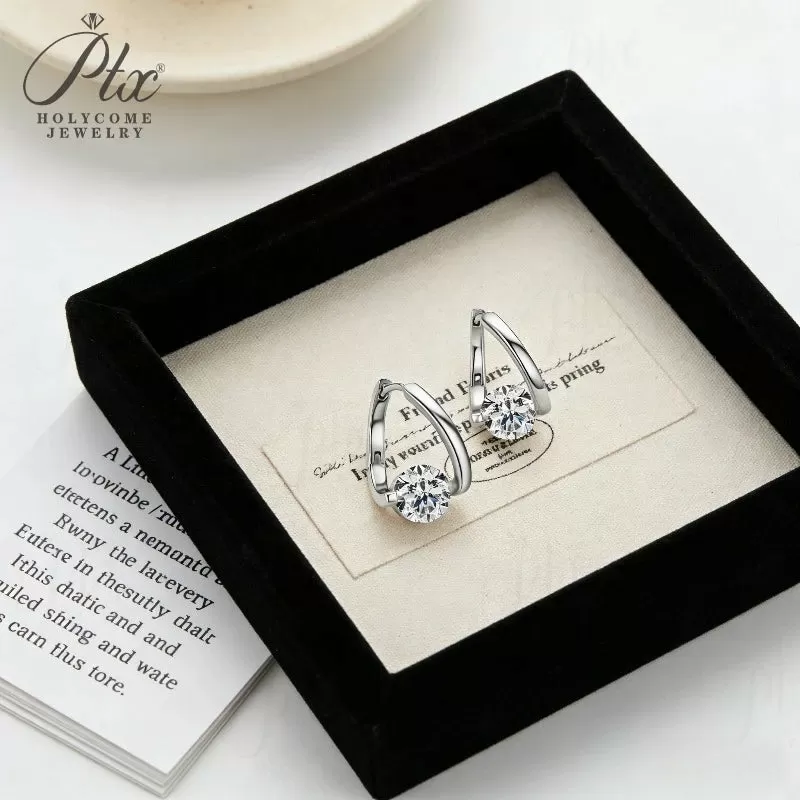
Step 1: Define Your Niche and Brand
Don't try to sell everything to everyone. Define your niche:
Product niche: Engagement rings, fashion jewelry, bridal, men's jewelry, personalized pieces, vintage/estate, or a specific material (moissanite, silver, gold).
Price point: Budget ($10-50), mid-range ($50-200), premium ($200-1000), luxury ($1000+).
Target customer: Age, gender, lifestyle, shopping habits. Create a customer persona.
Brand identity: Name, logo, aesthetic, voice. Your brand should resonate with your target customer. Register your business name and secure social media handles.
Step 2: Source Your Products
Option A - Buy wholesale: Source from factories like Holycome. Lowest startup cost, wide product range, no manufacturing skills needed. MOQ 1 allows testing.
Option B - Make your own: Handmade jewelry. Higher time investment, unique products, higher perceived value. Requires tools and skills.
Option C - Custom/OEM: Design your own pieces, have a factory manufacture them. Higher investment, unique brand, requires minimums.
Start with wholesale (Option A) to test the market, then add custom designs as you grow.
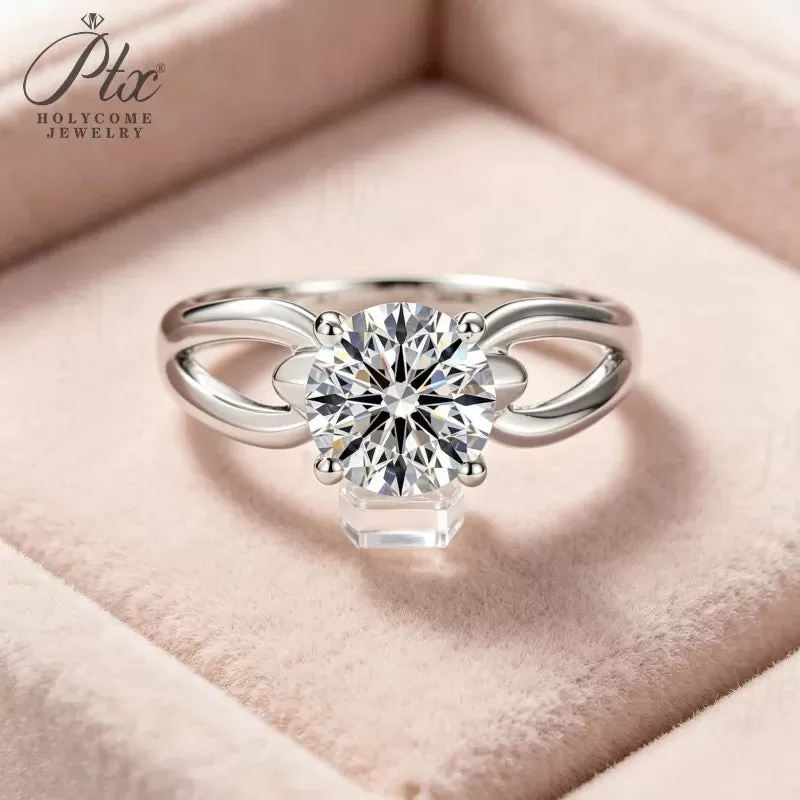
Step 3: Set Up Your Sales Channel
Online store: Shopify, WooCommerce, or Etsy. Lowest startup cost, global reach. Invest in good product photography.
Social media: Instagram and Pinterest are essential for jewelry (visual products). TikTok for younger demographics. Post regularly, use hashtags, engage with followers.
Physical store: Higher cost but local presence. Consider pop-up shops or market stalls before committing to a lease.
Marketplaces: Amazon, eBay, or niche jewelry platforms. Additional reach but fees and competition.
Start with one channel (online store + Instagram), master it, then expand.
Step 4: Price for Profit
Calculate all costs: product, shipping, packaging, platform fees, payment processing, marketing, and overhead. Set retail prices to achieve 50-70% margins. Don't underprice — it devalues your brand and makes profitability impossible. Research competitors' pricing but don't race to the bottom.
Step 5: Legal and Administrative
Register your business (LLC recommended for liability protection). Get a sales tax permit. Open a business bank account. Get business insurance (product liability is important for jewelry). Trademark your brand name/logo if possible. Keep accurate financial records from day one.
Step 6: Marketing and Customer Acquisition
Content marketing: Blog posts, jewelry guides, styling tips. Builds SEO and authority.
Social media: High-quality photos/videos, behind-the-scenes, customer testimonials.
Influencer partnerships: Send products to micro-influencers (10K-100K followers) in your niche.
Email marketing: Collect emails, send newsletters and promotions. Highest ROI marketing channel.
Paid ads: Instagram/Facebook ads, Google Shopping. Start small, test, scale what works.
SEO: Optimize product pages and blog content for search engines. Long-term traffic source.
Step 7: Operations and Customer Service
Set up efficient order fulfillment (packaging, shipping, tracking). Provide excellent customer service (respond within 24 hours, easy returns, personal touches). Collect customer reviews (social proof drives sales). Track inventory and reorder best sellers before they sell out.
Step 8: Scale and Grow
Analyze sales data (which products sell, which marketing channels work). Expand product lines based on customer demand. Increase marketing budget for successful campaigns. Consider hiring help (customer service, social media, fulfillment). Reinvest profits into growth. Most jewelry businesses take 6-12 months to become profitable — be patient and persistent.
Partner with Holycome — your reliable wholesale jewelry supplier for business growth.