Jewelry Trends 2026: What Retailers Should Stock
2026 Jewelry Trends Overview
Jewelry trends evolve, but 2026 brings a mix of nostalgia, sustainability, and bold self-expression. Retailers who anticipate trends and stock accordingly capture customer demand and maximize sales. This guide covers the key trends shaping jewelry in 2026 and what you should stock.
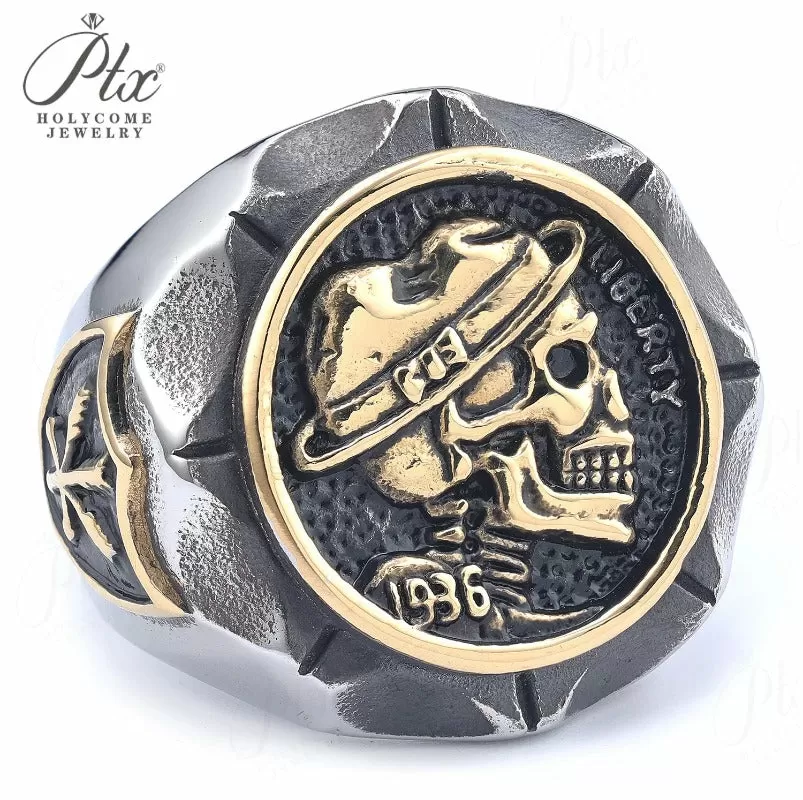
Trend 1: Yellow Gold Dominance
Yellow gold continues its resurgence, now the dominant metal color for engagement rings and fashion jewelry. The warm, nostalgic tone appeals to Millennials and Gen Z seeking vintage-inspired, non-traditional looks. Stock yellow gold in: engagement rings (solitaire and vintage styles), chain necklaces (cable, curb, rope), hoop earrings, and stackable rings. White gold remains strong for traditional bridal, but yellow is leading growth.
Trend 2: Chunky and Statement Pieces
Bold, oversized jewelry is in. Chunky chains, large hoops, cuffs, and statement rings dominate fashion. Customers want jewelry that makes an impact and photographs well for social media. Stock: thick curb/Cuban chains (5mm+), oversized hoops (40mm+), bold cocktail rings, and sculptural cuffs. Balance with delicate layering pieces for customers who prefer subtlety.
Trend 3: Personalized and Custom Jewelry
Personalization continues to grow — customers want unique, meaningful pieces. Name necklaces, initial jewelry, birthstone pieces, custom engravings, and zodiac designs are popular. Offer: initial pendants, name necklaces, birthstone rings, custom engraving services, and coordinate/location jewelry. Personalized pieces have higher margins and lower price sensitivity.
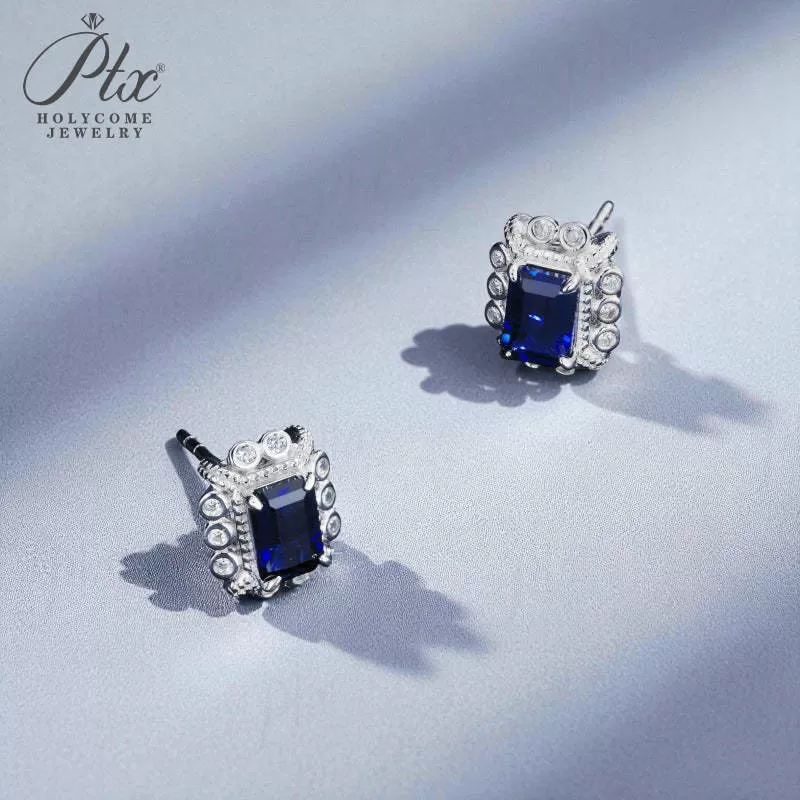
Trend 4: Sustainable and Ethical Jewelry
Sustainability is no longer niche — it's mainstream. Customers seek: lab grown diamonds and moissanite (ethical, affordable), recycled metals, transparent sourcing, and eco-friendly packaging. Stock: lab diamond and moissanite collections, recycled silver/gold pieces, and market your ethical sourcing. Tell the story — customers pay more for brands with values.
Trend 5: Vintage and Retro Revival
Vintage-inspired designs continue strong: Art Deco geometric patterns, Victorian filigree, mid-century modern simplicity, and 90s/2000s nostalgia. Stock: vintage-style engagement rings (milgrain, halos), Art Deco earrings, cameo and intaglio jewelry, 90s-style chokers and belly chains, and retro charm bracelets. Vintage pieces have timeless appeal and unique character.
Trend 6: Colored Gemstones
Color is back — bold, vibrant gemstones are trending. Sapphires (all colors), emeralds, rubies, and colored moissanite (yellow, pink, blue) add personality. Stock: sapphire engagement rings (alternative to diamonds), colored stone earrings, birthstone jewelry, and multi-stone pieces. Blue sapphires and emeralds are leading, but all colors are growing.
Trend 7: Ear Styling and Multiple Piercings
Curated ear looks (multiple piercings with coordinated jewelry) are mainstream. Customers buy sets of studs, huggies, and cuffs to create personalized earscapes. Stock: flat back studs (labret style), huggie hoops, ear cuffs, cartilage jewelry, and curated ear sets. Offer styling guides and bundle deals for multiple piercings.
Trend 8: Men's Jewelry Growth
Men's jewelry is the fastest-growing category. Chains, bracelets, rings, and earrings are increasingly popular. Stock: Cuban link chains, leather/bracelet stacks, signet rings, minimalist bands, and stud earrings. Men's jewelry has high margins and less competition than women's — an underserved opportunity.
Inventory Strategy for 2026
Core (always in stock): yellow gold/silver basics, stud earrings, solitaire rings, chain necklaces. Trend (update quarterly): chunky pieces, colored stones, vintage styles. Niche (test small): men's, personalized, sustainable. Use MOQ 1 to test trends before volume orders. Track sell-through rates and reorder winners quickly.
Explore trending jewelry — stock the styles customers want in 2026.
Related Articles
Authoritative References
For buyers who need to verify the technical and regulatory basis of this guide, the following independent institutions publish authoritative reference data:
- FTC Advertising FAQs - U.S. guidance on truthful marketing and disclosure.
- Wikipedia: E-commerce - online retail and marketplace background.
Frequently Asked Questions
How do I verify a factory before placing a bulk order?
Request a production video, business license, export records and a paid sample run. A factory that accepts a 50-piece test order is usually a real manufacturer.
What payment terms do you offer?
30% T/T deposit with the balance against the bill of lading. This protects both sides on first orders and can move to net terms after a track record.
What is your normal reject rate?
3–5% under 10x loupe inspection for cast and set pieces. Defective units are replaced free in the next shipment.
Where is the factory located?
Wuzhou, Guangxi, China—the core lab-grown and moissanite manufacturing cluster. Shipments go via Guangzhou or Shenzhen ports.