Jewelry Trade Show: What to Order First
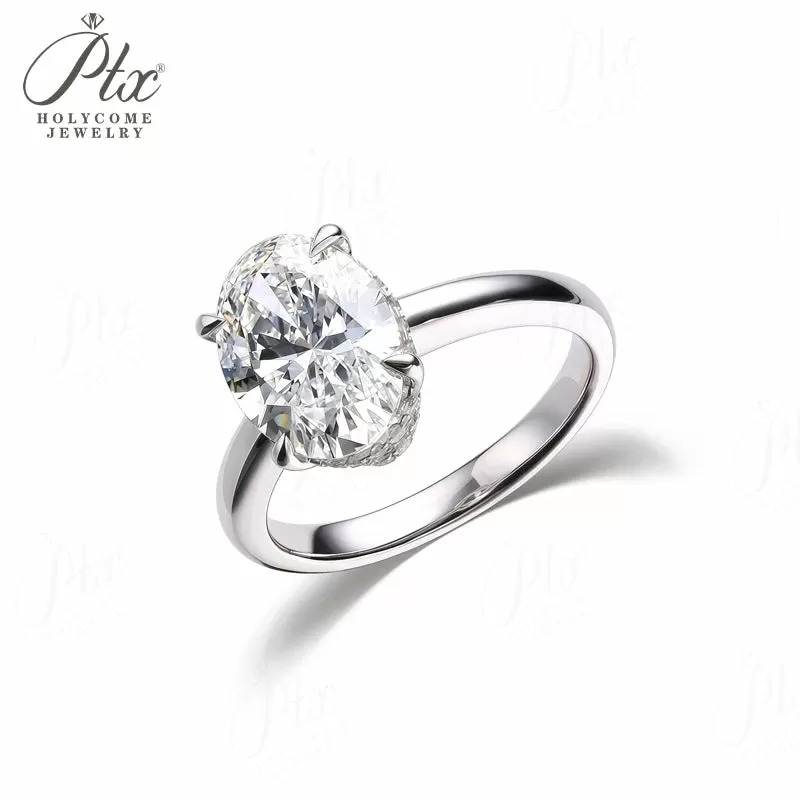
It is 4 p.m. on day one of the show. You have spent four hours, your bag is full of supplier cards, and you have already put half your budget on a single showcase display of 10 mm statement rings that will sit on your shelf for a year. Trade shows are designed for this - the lighting, the trays, the reps who remember your name. First-time buyers leave with a collection of pieces they would wear themselves, not a stock that sells. A written order plan before you walk the floor is the difference between a show that pays for itself and a show that becomes dead inventory. The floor is loud, but your own POS numbers are quiet - let them, not the lighting, set the budget. The floor is loud, but your own POS numbers are quiet - let them, not the lighting, set the budget. The floor is loud, but your own POS numbers are quiet - let them, not the lighting, set the budget. The floor is loud, but your own POS numbers are quiet - let them, not the lighting, set the budget.
Walk the floor twice before you buy anything
The first pass is reconnaissance. No orders, no deposits, just photograph trays and note prices. You will see in the first hour that the same 6.5 mm solitaire is carried by eight booths at a 20 percent price spread, and that the booth with the lowest price is the one without a bench and a QC desk. The second pass, usually day two, is where you buy. By then you know the market price for each category, and the booths that looked amazing on day one look ordinary. This two-pass rule alone prevents the impulse purchase. If you need the reference for what you are actually looking at, the lab-grown diamond entry on Wikipedia helps you separate the real lab-grown stones from the moissanite and CZ booths dressed to look like diamond.
What to order first: the reorder core
Spend 60 percent of the show budget on the items you already know sell: your proven best-seller categories reordered at depth, tested against the new suppliers you found. If 6.5 mm solitaires reorder at home, buy 6.5 mm solitaires at the show from two new suppliers to compare. Spend 25 percent on the mid-risk expansion - adjacent styles you have not carried but that fit your store, bought small (the lowest MOQ). Spend the last 15 percent on the showcase pieces - the 10 mm statement rings, the novelty charms - bought as one of each so you have them for display, not for stock. The mistake is flipping that ratio: 60 percent novelty, 25 percent adjacent, 15 percent reorder. That leaves you with a pretty store and no cash flow. Map the categories against your own data in stud versus hoop seasonal demand and tennis bracelet stone counts before you set the 60 percent.
What to hold until you are home
Three categories you should not commit to on the floor. Custom and private-label work: negotiate the tooling and approve a sample at home, not at the booth. K-gold pieces: the gold price moves, and a show quote is valid for a few days at most - lock the gram weight and reconfirm before you pay. Anything heavy or bulky: shipping cost surprises kill the margin, and you can price that out at home. Take the card, get the quote in writing, and buy it from the same supplier after the show. Our note on order-to-delivery lead times shows why the 30-day window matters for your cash flow, and packing and shipping options prices out the freight the show quote hid.
Frequently asked questions
How much should I spend on a first trade show order?
Budget for a reorder core you know sells (about 60 percent), a small test of new styles (25 percent), and one-of-each display pieces (15 percent). Do not spend the whole budget on showcase items.
Should I put down a deposit at the booth?
Only on the reorder core you would buy anyway. Hold custom, gold and heavy orders until you are home with the quote in writing. A deposit at the booth on a novelty piece is how dead inventory starts.
How do I compare the same ring across eight booths?
Ask for the spec sheet: stone diameter and grade, metal and gram weight, plating thickness, MOQ, lead time. The ring with the lowest price is often the lightest in gold or the lowest stone grade. Compare the specs, not the price tags.
What should I do with the supplier cards after the show?
Within a week, rank them by spec and price, send a small test order to the top two, and ignore the rest. Most show suppliers will not reorder well - the test order tells you which ones will.
We welcome show buyers to our Wuzhou bench and will send the same tiered price list, sample kit and lead-time sheet we give on the floor, without the impulse-buy pressure. Tell us your store's best-selling categories and your show budget, and we will pre-build a reorder-core quote within two working days. Read our realistic MOQ guide before you set the test-order size.