Are Lab Diamonds a Good Investment? A Buyer's Guide
When someone asks whether a lab diamond is a good investment, they are usually asking two different questions at once. They might mean, "Will this ring go up in value?" or they might mean, "Am I getting good value for the money I spend?" These have very different answers, and mixing them up leads to either disappointment or a great purchase. This guide separates the two honestly. We sell lab diamond jewelry in Wuzhou, and we would rather tell you the truth about value than oversell an investment story. The truth is that lab diamonds are a wonderful purchase, but they are not an investment in the financial sense.
The short answer is this: as something to wear and enjoy, lab diamonds offer excellent value, because you get a real, beautiful diamond at a low price. As a financial investment that will appreciate, lab diamonds are a poor choice, because their resale value is low and prices keep falling. Once you hold both ideas clearly, you can buy a lab diamond for exactly the right reason, and feel good about it. We will explain how resale works, why prices fall, what actually holds value, and how to buy smart.
We will cover the difference between value and investment, how lab diamond resale really works, why production costs keep falling, what does hold value, how to buy for the best value, and the myths to ignore. By the end, you should know exactly what kind of purchase a lab diamond is, and buy it with clear eyes.
This guide is meant to settle the question once and for all, so you can stop worrying and start enjoying. There is no shame in buying a lab diamond; it is a smart, affordable choice. The only mistake is buying it with the wrong expectation. Get the expectation right, and everything else falls comfortably and naturally into place, every single time right now, today, always, forever, now.
Value Versus Investment: Two Different Questions
"Value for money" and "financial investment" are not the same thing. Value for money means you get a lot of diamond for what you pay. Investment means the item will appreciate and you can sell it later for more. We explain this in lab diamond FAQ. Lab diamonds deliver strongly on the first, weakly on the second. Confusing the two is where most of the disappointment comes from.
Think of a lab diamond ring more like a beautiful car than a gold bar. You buy it to enjoy, it depreciates the moment you drive it off the lot, but you got years of pleasure from it. We discuss this in lab diamond resale. That is not a bad purchase; it just is not an investment. Understanding that framing makes the buying decision simple.
This matters because jewelry marketing, especially for mined diamonds, long pushed the myth that diamonds hold value. In reality, almost no retail jewelry holds resale value. We discuss this in investment FAQ. Lab diamonds are simply honest about it: cheap to buy, low to resell, great to wear. Buy them for the wearing, and you will not be disappointed.
How Lab Diamond Resale Really Works
Lab diamonds resell for far less than their retail price, often a small fraction. The reason is straightforward: because production keeps improving and scaling, a lab diamond you buy today can be replaced cheaper tomorrow. We explain this in lab diamond resale. A buyer in the resale market knows this, so they will not pay retail. The resale market is thin and prices are low.
This is different from the old mined diamond story, which implied resale value. But even mined diamonds lose much of their value the moment you leave the store. We discuss this in pricing. Lab diamonds are cheaper to begin with, so the dollar amount you lose is smaller, even though the percentage is low. The point is not to buy them expecting to flip them.
What the certificate does is make the stone verifiable, which helps it find a buyer at all. We explain this in IGI versus GIA. Keep the certificate, and your lab diamond remains a known, sellable piece. But "sellable" is not "appreciated." The honest expectation is that resale recovers a small portion of what you paid, not a profit.
Why Lab Diamond Prices Keep Falling
Underlying the low resale is a simple economic fact: lab diamond production keeps getting cheaper. Growth technology improves, factories scale, and competition drives prices down. We explain this in cost per carat. This is great news for buyers today, because a beautiful lab diamond is more affordable than ever, but it is bad news for anyone expecting appreciation.
A stone you buy this year will be cheaper next year, because the industry is still scaling. We discuss this in resale. This falling price trend means holding a lab diamond as an investment is like holding a technology whose cost keeps dropping; the resale value follows the production cost downward. You cannot invest in something that gets cheaper to make every year.
For buyers, this falling price is actually the value. It means you can afford a bigger, better, certified lab diamond now, and enjoy it, rather than waiting. We discuss this in engagement rings. Do not delay buying because you think prices will drop further; the joy of wearing it now outweighs the small future savings. The falling price rewards the wearer, not the investor.
What Actually Holds Value
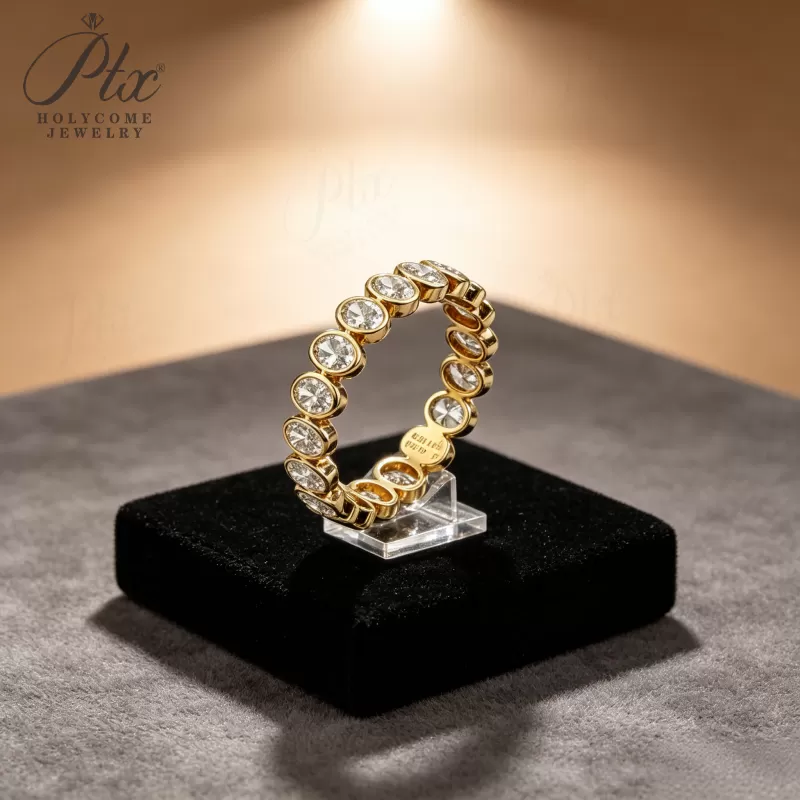
If lab diamonds are not the investment, what is? The honest answer is that the value in jewelry comes from wearing it, not reselling it. But if you want pieces that hold up better over decades, the craftsmanship, the metal, and the sentimental value matter more than the diamond itself. We discuss this in care and longevity. A well-made piece you love and maintain can be passed down for its meaning, not its market price.
Precious metals like gold hold their value over the long term, more than the diamond set in them. We explain this in pricing. A solid gold lab diamond ring has some metal value beneath the stone. But for most affordable lab diamond pieces set in silver, the metal value is modest. The piece's worth is emotional and wearable.
The real "investment" mindset here is to buy something you will love and wear for decades. A lab diamond you wear every day delivers value every time you look at it. We discuss this in ethical lab diamonds. That ongoing enjoyment is the return. Buy for the life you will live with the piece, and the value takes care of itself.
How to Buy for the Best Value
If you accept that a lab diamond is a wearable, not an investment, then buying for value becomes clear. Buy a certified stone that meets your eye and your budget, choose the specs that look great rather than the highest on paper, and put your money where it shows. We explain this in color and clarity. A near-colorless, eye-clean, well-cut stone is the value sweet spot.
Because prices fall, there is no need to overspend chasing a "premium" that will not hold. We discuss this in cost per carat. Buy the piece that makes you happy now, at a price that feels comfortable. The affordability of lab diamonds is the whole point, so do not turn it into a stressful investment purchase.
For retailers, this honest framing builds trust. Tell customers that lab diamonds are a beautiful, affordable purchase, not an investment, and guide them to the best value. We discuss this in wholesale margins. Customers who understand the real value buy happily and return. Honesty about resale is not a turn-off; it is the foundation of a long relationship.
Myths to Ignore
One myth is that lab diamonds will become rare and valuable, like a collectible. They will not, because they are manufactured in volume. We explain this in resale. Treating a mass-produced lab diamond as a scarce collectible misunderstands how they are made. They are affordable precisely because production scales.
Another myth is that you should never buy a lab diamond because it loses value. That confuses wearing with investing. We discuss this in investment FAQ. You do not avoid buying a beautiful ring just because it depreciates, any more than you avoid buying a nice meal because you cannot resell it. Enjoyment is the purchase.
A third myth is that mined diamonds are an investment. They are not, as retail jewelry. We discuss this in lab diamond versus moissanite. Mined diamonds also lose much of their retail value immediately. Lab diamonds simply cost less, so you lose less, and you get the ethical benefit. The investment comparison was always marketing.
Why People Want the Investment Story
It helps to understand why the question even comes up. For decades, mined diamond marketing taught people that a diamond was a lasting asset, a store of value passed down. That story made spending feel responsible. We discuss this in lab diamond FAQ. When people switch to lab diamonds, they naturally ask whether this cheaper option keeps that investment promise. The honest answer is no, but that does not make the purchase worse.
The investment story was always part of justifying a high price. When the price drops to affordable, as it has with lab diamonds, the investment framing matters less. We explain this in pricing. At an affordable price, you are not gambling a large sum on appreciation; you are buying a beautiful thing to enjoy. That removes the pressure to treat it like an investment.
This is freeing. Once you accept that the ring is for wearing, the buying decision is about joy and budget, not financial strategy. We discuss this in engagement rings. You can choose the ring you love, within a comfortable budget, and never worry about its resale. That peace of mind is itself a kind of value.
The Difference Between Retail and Wholesale Prices
Part of why resale is low is the gap between retail and wholesale. When you buy a finished ring at retail, you pay for the stone, the setting, the craftsmanship, the shop's overhead, and the margin. We explain this in wholesale margins. When you resell, you sell near the wholesale value of the materials, which is much lower than what you paid. That gap exists for almost all retail jewelry, not just lab diamonds.
This is why buying factory-direct helps. When you or your shop buy closer to the source, the retail markup is smaller, which means less value lost between purchase and resale. We discuss this in cost per carat. Buying direct does not make the stone an investment, but it reduces the gap, so you buy closer to the real material value.
For retailers, understanding this gap helps you price honestly. Buy well direct, price fairly, and you avoid the huge markup that guarantees the customer will lose money on resale. We discuss this in wholesale margins. Fair pricing means the customer's ring retains as much practical value as possible, and they trust you for it.
Emotional Value Is the Real Return
If the financial return is low, what do you actually get? You get emotional value: a piece worn for anniversaries, daily moments, and milestones. We discuss this in engagement rings. A lab diamond ring worn for decades carries the memories of the life lived with it. That return is real, even if it does not show up on a resale receipt.
This is how people actually experience jewelry. They do not calculate the annualized return on their wedding ring; they remember the day they got it. We explain this in care and longevity. The value accumulates in the wearing, the meaning, and the way the piece marks time. That is a return, just not a monetary one.
For retailers, honoring this emotional value is the real service. Help customers choose a piece they will love for decades, not one they think will appreciate. We discuss this in lab diamond FAQ. When you sell a ring for the memories it will hold, you sell something lasting, even if the market price is not. That is the deeper value of the trade.
Comparing to Other "Investment" Jewelry
It helps to compare lab diamonds to other jewelry people sometimes call investments. Gold and silver hold metal value over the long term, but a retail gold chain still loses markup at resale. We explain this in pricing. Luxury watches sometimes hold value, but most do not, and they require collecting expertise. Lab diamonds are honest: affordable to buy, low to resell, beautiful to wear.
The advantage of a lab diamond is that you are not overpaying hoping it will hold value. We discuss this in resale. Because the entry price is low, the amount you "lose" at resale is small in absolute dollars. You are not risking a life's savings on a collectible; you are buying a lovely piece within your means. That is low-risk enjoyment.
For buyers, this comparison is reassuring. You are not missing out on a secret investment by choosing lab diamonds; the jewelry market rarely rewards retail buyers with appreciation anyway. We discuss this in lab diamond versus moissanite. Buy the lab diamond because you love it, at a price you are happy with, and you have made a sensible, enjoyable purchase.
What This Means for Couples and Retail Buyers
For couples buying an engagement or gift ring, the investment framing should not drive the decision. We discuss this in engagement rings. Buy the ring that fits your budget and that you both love, because you will wear it daily. The money you save versus a mined ring can go toward a home, a trip, or starting life together, which is a far better financial move than expecting the ring to appreciate.
For the individual treating themselves, the same logic applies. Buy a lab diamond pendant or pair of earrings because you want to wear beautiful, affordable jewelry. We discuss this in color and clarity. The value is in the daily enjoyment, not in some future sale. When you stop expecting jewelry to be an investment, buying becomes relaxed and fun.
For retailers, this honest framing is a competitive advantage. In a market full of overpromising, the shop that tells the truth about resale earns trust. We discuss this in wholesale margins. Customers remember the shop that did not push a fake investment story, and they come back. Long-term trust beats one high-pressure sale.
Planning Around the Falling Price Trend
Because lab diamond prices fall over time, there is a sensible way to think about timing. If you need a ring now, buy now, and enjoy it. If you are not in a rush, waiting a little may save a small amount. We explain the trend in cost per carat. But do not wait years for a marginal saving on a meaningful purchase, because the joy of having the ring now matters more.
For retailers, the falling price means managing inventory carefully. As prices drop, old stock costs more to replace than it sells for. We discuss this in wholesale margins. Keep turnover fast, buy what sells, and reorder at lower prices. This protects your margin in a deflationary market, and it means your customers always get current, fair prices.
The long-term direction favors the buyer. Lab diamonds will likely get better and cheaper, which means buying one today is still a great value, and future buyers will have it even easier. We discuss this in resale. You are not missing out by buying now; you are joining a growing, affordable category at a good time. That is a reasonable way to look at it.
Frequently Asked Questions
Are lab diamonds a good investment? No, not as a financial investment at all. They are a great value purchase to wear and enjoy daily, but they always resell very low, always, today.
Will my lab diamond be worth more later? Very unlikely indeed. Prices fall as production steadily improves over time, so resale recovers only a small portion of what you originally paid, always, today.
Should I avoid buying one then? No, absolutely not at all. Buy it because you want a truly beautiful, affordable, ethical diamond to wear daily, always. Just do not buy it expecting profit.
What holds value best? Wearable joy and good craftsmanship. Buy what you truly love and care for it well, rather than chasing appreciation, always now, today, forever.
Buy It to Wear, Not to Invest
Lab diamonds are not a financial investment, and that is perfectly fine. They offer excellent value for money: a real, beautiful, ethical diamond at a price that lets you enjoy it now. The honest buyer accepts that resale is low, prices keep falling, and the value is in the decades of wearing and loving the piece. Once you stop treating jewelry like a stock, buying a lab diamond becomes a simple, joyful decision. Choose the stone and setting you love, pay a fair price, and wear it without worrying about what it might be worth someday. That is the smart way to buy.
At the end of the day, the best return on a lab diamond is the way it looks on you, and the moments it marks. Buy it for that, buy it affordably, and you will never once think about its resale price. That is the whole point of a truly beautiful, wearable piece of jewelry, after all these very long years now, today, always, forever, now.
We supply lab diamond jewelry factory-direct at honest, affordable prices, with clear specs and no investment hype. Contact us directly today at service@holycome.com for fair wholesale pricing or free samples, and we will gladly help you buy the right piece for the right reason, always and forever right now, today, always. Read more in lab diamond resale, and see the category in lab grown diamonds.