Necklaces That Hold Resale Value: What Actually Sells Used
If you have ever tried to sell a necklace you no longer wear, you already know the uncomfortable truth: most used jewelry sells for a fraction of what you paid. Walk into a pawn shop with a silver pendant and they will offer you near the metal value, which is almost nothing. List it online and it may sit for months. Yet some necklaces do resell for decent money, and the difference is not random. Certain designs, certain brands, and certain conditions hold value in the secondhand market while the rest disappears. This guide explains what actually makes a necklace hold resale value, which pieces sell used and which do not, how condition changes the price, and how to buy and sell with realistic expectations.
We are a Wuzhou jewelry factory, so we see both sides of this market: the pieces customers return or trade, and the pieces that keep moving secondhand. The honest headline is that almost no affordable silver or moissanite necklace is a great resale investment, but within that category, some pieces hold up far better than others. If you understand which ones, you can buy pieces that are easy to let go of later, whether you are a consumer clearing out a drawer or a retailer liquidating old stock. The goal is not to turn jewelry into a stock trade. It is to avoid getting badly burned when you do decide to sell.
We will cover the factors that drive resale value, the role of brand and design, how condition and paperwork change the price, where to actually sell used necklaces, and the realistic prices to expect. We will also explain why moissanite and silver pieces are better treated as wearable value than as assets, and when that distinction matters. Read on if you want to buy necklaces with an exit strategy in mind, or if you simply want to understand why that drawer of old pendants is worth less than you hoped.
Why Most Necklaces Resell So Poorly
The poor resale value of most necklaces comes down to one fact: you are selling a used piece against the option of buying a new one. A new necklace from a factory or store comes in a box, with a warranty, a return policy, and the reassurance of something untouched. A used necklace has been worn, and buyers know it. So they expect a steep discount, and the market prices used jewelry accordingly. This applies to silver, gold, and even diamonds, because the retail markup you paid does not transfer to a secondhand sale.
The other factor is that affordable jewelry is not rare. There are millions of silver solitaire pendants in the world, and a buyer does not need yours specifically. When supply is endless, price collapses. A necklace only holds resale value if it is scarce, desirable, or both, and a mass-produced factory pendant is neither. This is why we always tell customers to buy necklaces to wear, not to flip. We cover the broader resale reality in do silver necklaces hold their value.
None of this means buying a necklace was a mistake. It means you should measure its value by what you got from wearing it, not by what it resells for. A necklace you loved and wore daily delivered its value while you owned it. The resale price is an afterthought, not a verdict on the purchase. Once you accept that, you can still learn which pieces sell better used, without expecting jewelry to behave like an investment.
The Factors That Drive Resale Value
When a necklace does resell well, it is usually because one of four factors is strong. The first is brand: pieces from recognizable designer names have a built-in market of collectors who will pay. The second is scarcity: limited editions, discontinued designs, or unusual materials hold value because buyers cannot just buy a new one. The third is condition: a necklace that looks unworn, with its box and paperwork, sells for far more than the same piece scuffed and tarnished. The fourth is timeless design: classic styles stay desirable, while trendy pieces date fast and sell poorly.
For affordable moissanite and silver necklaces, the brand and scarcity factors are usually absent, because these pieces are produced in volume. That leaves condition and design as the levers you actually control. A well-made, classic silver necklace in excellent condition will always resell better than a flimsy trendy one in poor shape. This is another reason to buy timeless, well-built pieces: they are easier to wear and easier to pass on, even if the resale price stays modest.
Stone value matters in narrow cases. A necklace with a large, valuable natural gem or a certified diamond can be sold partly for the stone, independent of the setting. Our moissanite pendants sit firmly on the affordable side, so the stone does not create a separate resale market. If resale is a major goal, you are really talking about mined gems and designer brands, which is a different purchase entirely. We compare that world in moissanite versus diamond value.
Design: Timelessness Beats Trendiness
The single biggest controllable factor in resale is whether the design is timeless or trendy. A classic solitaire, a simple chain, a small heart or bar pendant, or a station necklace stays in style for decades. Someone buying a used version in ten years will still see it as a normal, desirable necklace. A pendant tied to a specific trend, a celebrity craze, or a seasonal fashion moment will look dated the moment the trend ends, and buyers will not pay for something that looks like last year.
This principle shapes how we design and recommend stock. The pieces we build to reorder year after year are the simple, classic ones, because they never go out of fashion and they resell better if they ever need to. Trendy pieces have their place as visual draw and seasonal excitement, but they are not the pieces to buy if you care about holding value. We talk about this merchandising logic in necklace market trends.
Classic design also means more people will want the used piece. A simple silver solitaire suits almost any buyer, so when you list it, the pool of potential buyers is large. A very specific, quirky pendant appeals to a narrow taste, and it sits unsold waiting for the one person who loves it. For fast resale at a fair price, neutral, timeless, versatile designs win every time. If you are buying with a possible exit in mind, choose the necklace you would still want in five years.
Condition and Paperwork Change the Price
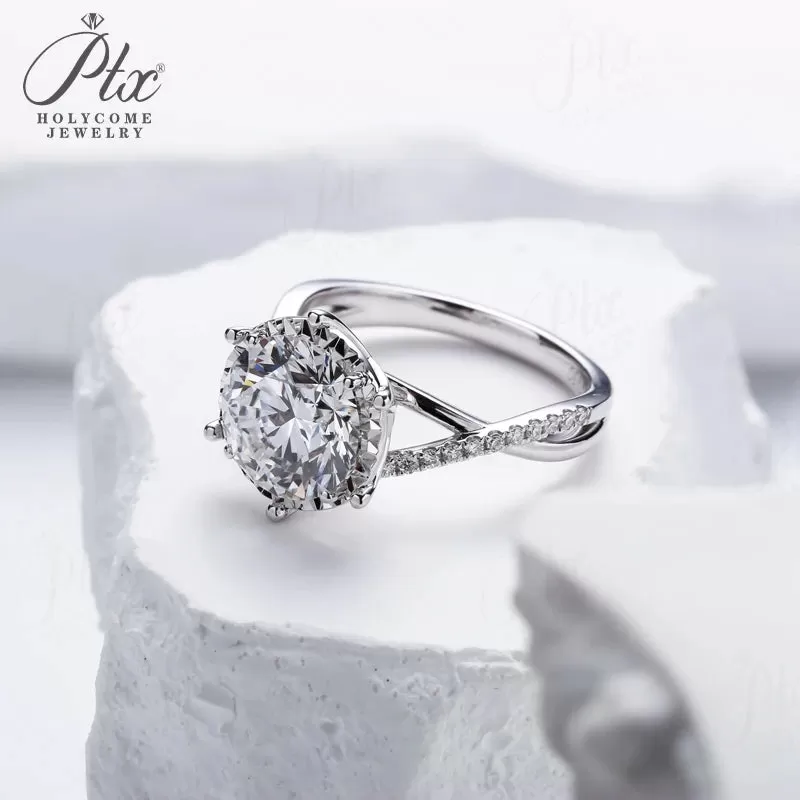
Two identical necklaces can resell for very different prices based purely on condition. A necklace that is tarnished, has a kinked chain, a dull stone, and no box will sell for almost nothing. The same necklace cleaned, polished, with a tightened clasp and its original packaging, will sell for meaningfully more, because it feels like a nearly new product. When you decide to sell, spend the small effort to make the piece look its best: clean the silver, polish the stone, replace a weak clasp, and gather the box and any certificate.
Paperwork is more valuable than people expect. A necklace that ships with a grading report, a receipt showing its origin, and a care card tells the buyer exactly what they are getting, which justifies a higher price. A necklace sold as a mystery with no documentation invites suspicion and a low offer. Keep the original packaging and any papers that come with a piece you might sell one day, because that small folder of paper adds real resale value. We explain appraisal and documentation in jewelry insurance and appraisal.
Repairs cut both ways. A necklace with a broken clasp that you never fixed looks damaged and sells cheap. The same necklace with a freshly repaired clasp looks cared for and sells higher. Fix the obvious issues before listing. A cheap repair often multiplies the sale price by more than its cost. The mistake people make is listing a necklace exactly as it sits, tarnished and broken, and then being disappointed when offers are low.
Where to Actually Sell a Used Necklace
Where you sell matters as much as what you sell. A pawn shop offers the lowest price because they buy to resell quickly and want a wide margin. A local jeweler may offer slightly more if they know your piece, but still near wholesale. The best prices for used jewelry usually come from peer-to-peer resale apps, where you sell directly to another consumer who wants the necklace for herself. You will wait longer and handle shipping, but you keep a much higher percentage of the price.
To sell well on a resale platform, photograph the necklace in good natural light, write an honest description that includes the metal, the stone, the dimensions, and any wear, and price it fairly against similar listings. A clean, honest listing with clear photos sells far faster than a blurry, overpriced one. Price it slightly below comparable listings to attract buyers, and be ready for offers. Treat it like a small online shop, not a garage sale.
For retailers liquidating old stock, the route is different. Slow-moving necklaces can be bundled into clearance sets, donated for tax benefits, or sold at cost to a liquidator rather than sitting in a drawer tying up cash. Holding onto unsold inventory hoping it appreciates almost never works, because fashion moves on. Cutting losses and moving the cash to pieces that actually sell is the smarter resale strategy. We cover this in sourcing and turning stock.
Brand Names and Designer Value
Brand is the one factor that can turn an ordinary necklace into something that resells well, and it is worth understanding how that works. A necklace from a designer with a following has collectors who actively seek it out, and that demand pushes the resale price up. Vintage pieces from well-known names, limited collaborations, and pieces with a recognizable signature often sell for close to or even above their original price in a hot market. If holding resale value is a serious goal, buying recognized brands is the most direct way to pursue it.
But brand value is a different world from affordable factory jewelry. Designer necklaces cost hundreds or thousands new, and the resale market is niche and unpredictable. A brand that is hot one year may cool the next, and even designer pieces do not always hold their price. The resale advantage is real but it is not a guarantee, and it comes with a far higher purchase price. For most people, buying a designer necklace for resale is more like collecting art than buying a practical accessory.
For retailers and consumers buying our moissanite and silver line, the brand factor simply does not apply, and that is fine. We compete on honest materials, good build, and low prices, not on collector prestige. If you want a necklace that resells well because of a famous name, you will shop a different category. If you want a beautiful, affordable necklace you can wear without resale anxiety, the value logic here is exactly right. Read more on how value works in necklace pricing analysis.
The Psychological Value of Not Worrying
There is a form of value that never appears on a resale chart, and it is worth naming: the peace of mind of owning affordable jewelry. When a necklace cost what a casual gift should, you do not panic when you travel with it, when you swim in it, or when you leave it on a hotel sink. You wear it freely and enjoy it fully. That freedom has real worth, because anxiety is the opposite of why people wear jewelry. An expensive necklace you baby is partly lost to the worry of it, while an affordable one gives you the pleasure without the stress.
This is especially true for necklaces, which are small and easy to lose. A clasp can fail, a chain can catch, and a necklace can slip off without you noticing. The cheaper the piece, the smaller that loss stings. People who own high-value necklaces often wear them less, locking them away for safety, which defeats the point. Affordable, well-made pieces get worn constantly, and constant wear is where a necklace earns its value. The resale price never captures this, but it is the biggest difference in daily experience.
When you weigh resale value against wearing freedom, the math favors affordable jewelry for most people. You lose a little on resale, but you gain years of unselfconscious wear. A necklace you never take off because you are afraid of losing it is a necklace that stopped being jewelry and became an investment you do not actually use. Choose the value that matches how you want to live with your pieces.
Building a Collection You Can Transition
If you want to build a jewelry collection that you can wear now and pass or sell later, the strategy is straightforward. Buy timeless, well-built, classic pieces in real materials, keep them in good condition, and hold onto the paperwork. Avoid trend-driven disposable pieces, because they date and lose both their wearability and their resale. A small number of excellent, enduring necklaces will serve you for years and transition more gracefully than a drawer full of cheap trend pieces.
Silver is a forgiving material for this approach. It can be cleaned, polished, and replated back to like-new condition, so a decades-old silver necklace can look fresh again with a little care. Moissanite never fades or clouds, so the stone stays brilliant. This means a well-chosen silver and moissanite necklace can literally outlive fashion cycles, which is the closest thing to lasting value you get at an affordable price. We discuss the longevity side in necklace durability.
Treat your collection like a small wardrobe: fewer pieces, better made, chosen to last. When you buy with an eye toward the long term, you naturally avoid the cheap trend traps that end up worthless in a drawer. The pieces you keep and care for are the ones that, if you ever do sell them, will bring the best price and the least regret. That is the whole resale strategy for affordable jewelry, and it works far better than hoping any single necklace will appreciate.
Common Resale Mistakes to Avoid
The first mistake is expecting retail prices back. People list a necklace they bought for sixty dollars at fifty dollars and wonder why it sits. Buyers on the secondhand market are looking for a deal, and they will not pay nearly-new prices for a used piece when a new one is readily available. Price it to sell, accept that you will take a loss, and move on. Holding out for a near-retail price usually just means the necklace sits unsold for months.
The second mistake is selling it dirty and broken. A tarnished, kinked necklace looks worthless and gets low offers. Spend the time to clean the silver, polish the stone, and fix the clasp before you photograph and list it. The few dollars you spend on a small repair and the minutes you spend cleaning come back to you many times over in the final sale price. Sellers who present their pieces well earn more, every time.
The third mistake is choosing the wrong channel. Pawning a necklace for almost nothing when you could have sold it direct for more is a common loss, especially when people need cash quickly. If you can wait a week, a peer-to-peer listing usually beats a pawn shop by a wide margin. Reserve the pawn shop for when you need instant cash and accept the lower price as the cost of speed. Know your channel before you decide what your necklace is worth.
Frequently Asked Questions
What necklaces hold their resale value best? Designer brands, rare or limited pieces, and classic timeless designs in excellent condition hold value best. Affordable mass-produced silver and moissanite pendants resell modestly at best.
How much can I expect for a used silver necklace? Usually a fraction of retail, often near the low metal value. Expect more on a peer-to-peer resale app than at a pawn shop, and clean the piece first.
Does a moissanite necklace have resale value? Minimal. Buy it to wear and enjoy it. Its value is the daily sparkle, not a resale market that does not really exist for cultured stones.
How do I make my necklace sell for more used? Clean and polish it, fix the clasp, gather the box and paperwork, photograph it well, and sell directly to another consumer rather than to a dealer.
Buy for Wearing, Sell for What You Can
The realistic rule for necklaces is to buy for wearing and sell for whatever you can get. No affordable necklace is a reliable investment, but timeless, well-built pieces in good condition will always move more easily and for better prices than trendy, neglected ones. Choose classic designs, keep them clean and whole, hold onto the paperwork, and if you ever need to sell, present the piece well and go direct to other buyers. That is the most you can ask of a necklace, and it is enough.
Think of resale as a bonus, not a plan. The necklace earns its keep the moment you put it on and every time you wear it after. If one day it sells for a little more than you expected, treat that as a pleasant surprise rather than the goal. Buying with joy and selling with realism is the calm, sustainable way to own jewelry, and it removes the disappointment that comes from expecting a necklace to behave like a stock.
We make factory-direct timeless moissanite and silver necklaces built to be worn for years and kept in good condition. Contact us at service@holycome.com for pieces chosen for longevity, or for wholesale inventory that turns over well. For more on value, read what a moissanite necklace actually costs, and browse the necklaces category.