Understanding Gold Karats
Gold karatage measures purity: 24K is 100% pure gold, too soft for jewelry. Alloys (copper, silver, zinc, nickel) are added for strength and color. The karat number tells you the percentage of pure gold: 10K = 41.7%, 14K = 58.3%, 18K = 75%. Choosing the right karat for your inventory depends on your market, price point, and customer preferences.
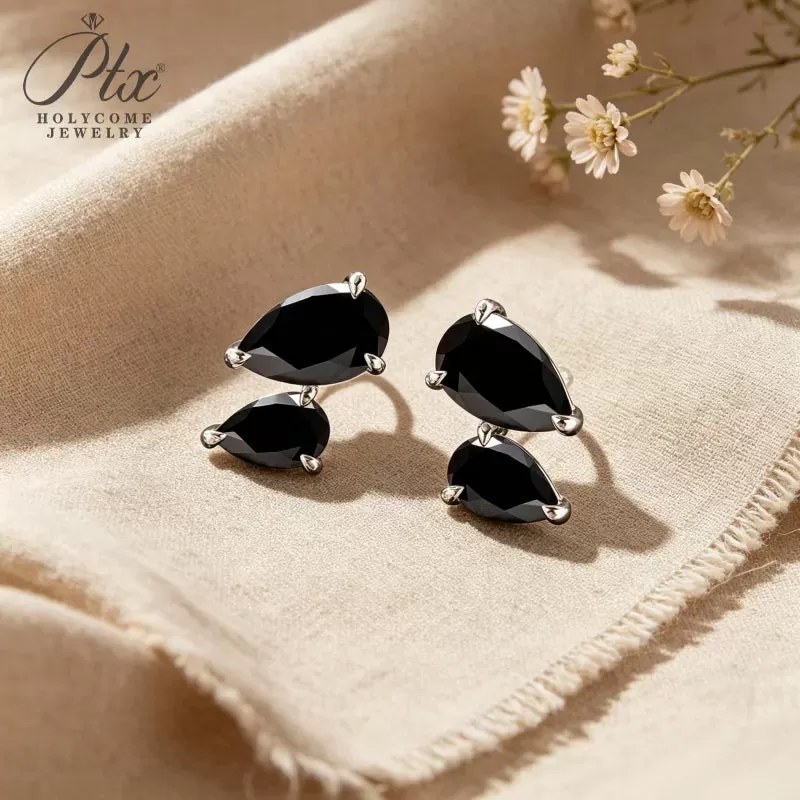
10K Gold: Durable and Affordable
10K gold contains 41.7% pure gold and 58.3% alloys. It's the hardest and most durable gold option, highly resistant to scratches and dents. The lower gold content makes it the most affordable choice. 10K gold is popular in North America for everyday jewelry, class rings, and men's jewelry. Its higher alloy content can cause slight skin discoloration in some wearers, and it may appear slightly paler than higher karats.
14K Gold: The Best-Selling Balance
14K gold (58.3% gold) is the most popular choice for fine jewelry worldwide — and for good reason. It offers an excellent balance of purity, durability, and affordability. It's durable enough for daily wear (including engagement rings), has a rich gold color, and is less likely to cause skin reactions than 10K. 14K gold is the standard for engagement rings, wedding bands, and premium fashion jewelry. It's the safe choice for core inventory.
18K Gold: Premium and Luxurious
18K gold (75% gold) offers the richest, most luxurious gold color. It's softer than 14K, making it better suited for occasional wear, pendants, earrings, and high-end pieces rather than daily rings. 18K gold is hypoallergenic (rarely causes reactions) and has a warm, deep yellow hue. It's the standard in European and Asian luxury jewelry markets. Customers paying premium prices expect 18K gold.
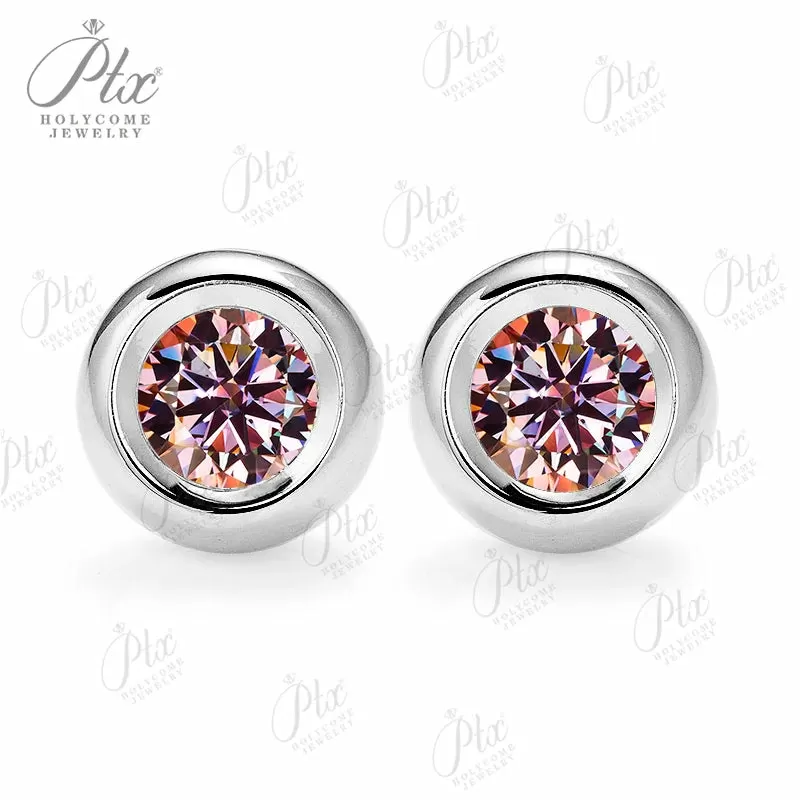
Color Differences by Karat
Higher karat gold has a richer, deeper yellow color. 10K can appear slightly pale or greenish due to higher alloy content. 14K has a classic, balanced gold tone. 18K has the warmest, most saturated yellow. For white and rose gold, the alloy mix determines color more than karat, but higher karat white gold has a warmer undertone (often rhodium plated for bright white).
Durability and Wear
Lower karat = harder and more scratch-resistant. 10K is best for active lifestyles and work environments. 14K handles daily wear well. 18K is softer and should be reserved for pieces that receive less abrasion. For engagement rings worn daily, 14K is the practical choice; 18K works for customers who prioritize color over maximum durability.
Hypoallergenic Considerations
Higher karat gold contains fewer alloys, making it less likely to cause allergic reactions. 18K is the most hypoallergenic. 14K is generally safe for most people. 10K's higher alloy content (including possible nickel in some formulations) can cause reactions in sensitive individuals. For customers with metal allergies, recommend 18K or nickel-free 14K.
Pricing and Margins
Gold content directly affects cost. 18K costs ~28% more than 14K for the same weight; 14K costs ~40% more than 10K. Retail pricing follows the same ratio. Higher karat pieces support higher absolute prices and margins. Stock 10K for value lines, 14K for mainstream, 18K for premium/luxury.
Inventory Strategy
Core inventory: 14K (60%) — best seller across all categories. Value/everyday: 10K (25%) — men's jewelry, class rings, budget lines. Premium: 18K (15%) — luxury engagement, pendants, gifts. Adjust based on your market: North America favors 10K/14K; Europe/Asia favors 18K. Holycome offers all karats with factory-direct pricing.
Shop gold jewelry in all karats — factory direct wholesale.