The Three Gold Color Families
Gold's natural color is yellow, but alloying creates a spectrum of colors. White, yellow, and rose gold dominate the jewelry market, each with distinct characteristics, customer appeal, and care requirements. Understanding these differences helps retailers curate inventory that matches current trends and customer preferences.
Yellow Gold: The Classic
Yellow gold is pure gold mixed with copper and silver alloys. It's the traditional, timeless choice — the color people associate with gold jewelry. Yellow gold has experienced a strong resurgence since 2020, driven by vintage and retro trends. It complements warm skin tones and pairs beautifully with colored gemstones. 14K and 18K yellow gold are the most popular. Yellow gold doesn't need plating (the color is throughout the metal), making it low-maintenance.
White Gold: The Modern Favorite
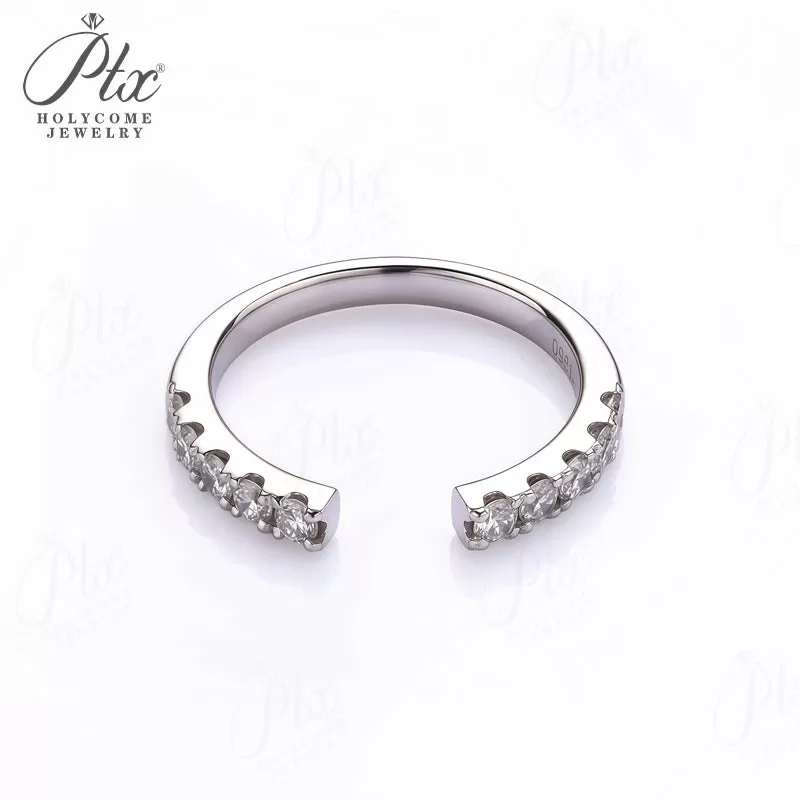
White gold is gold mixed with white metals (palladium, silver, zinc) and typically plated with rhodium for a bright, platinum-like finish. It's been the dominant choice for engagement rings for decades, favored for its modern, clean appearance and ability to make diamonds/moissanite appear whiter. White gold requires periodic re-plating (every 1-2 years) as rhodium wears. It complements cool skin tones and matches silver/white metal wardrobes.
Rose Gold: The Trendsetter
Rose gold (also called pink or red gold) is gold mixed with copper (and sometimes silver) for a warm, pinkish hue. It exploded in popularity around 2015 and remains a strong seller, especially among younger demographics. Rose gold flatters most skin tones and offers a romantic, fashionable alternative to traditional colors. The copper content makes it slightly harder and more durable. Like yellow gold, rose gold's color is throughout the metal — no plating needed.
Color Trends and Market Demand
Current trends (2024-2026): Yellow gold is leading for fashion and engagement rings (vintage revival). White gold remains strong for bridal and classic styles. Rose gold has stabilized as a permanent third option (not just a trend). Mixed-metal jewelry (combining two or three colors) is growing. Retailers should stock all three colors to capture full demand, with yellow and white as core inventory.
Care and Maintenance Differences
Yellow and rose gold: no plating required, occasional polishing maintains shine. White gold: rhodium plating wears over time, revealing the slightly yellowish gold underneath. Re-plating ($30-60 retail) restores bright white. Educate white gold customers about re-plating to manage expectations and create service revenue.
Price Differences
All three colors are priced similarly at the same karat (the alloy difference is minimal). White gold may cost slightly more due to rhodium plating. Rose gold's copper content is inexpensive. Retail pricing can be uniform across colors, though white gold's maintenance cost should be considered in customer value communication.
Which Colors to Stock
Engagement/bridal: white gold (40%), yellow gold (40%), rose gold (20%). Fashion/everyday: yellow (45%), white (30%), rose (25%). Men's jewelry: yellow and white (rose gold is less common). Consider mixed-metal pieces as a growing category. Holycome offers all colors in 10K, 14K, and 18K.
Marketing Gold Colors
Use skin tone guides ("which gold color suits you"), trend articles, and styling tips. Show all three colors side-by-side. Highlight that yellow and rose gold are plating-free (low maintenance). For white gold, emphasize the bright platinum-like appearance and include re-plating information. Color preference is personal — offering all three maximizes sales.
Explore gold jewelry in all colors — white, yellow, and rose.