Wholesale Moissanite Retail Margin Formula
You receive a wholesale quote for a 6.5 mm round moissanite solitaire at 9.80 USD landed. Your store sells a similar-looking diamond look for 129 USD. The gut reaction is a 13x markup. That number will not survive your first month of rent, photography and paid ads. Wholesale moissanite retail margin is built in layers, and the layer most buyers forget is the one that decides whether the margin is real or a paper profit. This note breaks the formula down the way Wuzhou factories and small boutique buyers actually use it.
Layer one: the stone cost is not the whole cost
A loose 6.5 mm round brilliant moissanite from a Wuzhou factory lands at roughly 4.50 to 8.50 USD depending on color grade (D-E-F near-colorless) and cut symmetry. Drop it into a sterling silver prong setting and the unit cost moves to 9 to 14 USD. Add rhodium plating, a .925 stamp, a jewelry card and a poly bag, and you are at 11 to 16 USD before freight. The stone was only about 40 percent of the landed unit cost. For context on the gemology that justifies the price, read the GIA overview of how moissanite compares optically to diamond on gia.edu.
Layer two: the markup is applied to landed cost, not stone cost
Boutique and online jewelry retailers typically price moissanite pieces at 2.2x to 3.0x the fully landed unit cost. A ring that costs you 14 USD landed should retail at 31 to 42 USD, not 130. The 130 USD price point belongs to 14k solid gold settings with IGI-certified center stones, which is a different product. If your setting is sterling silver with plated rhodium, see how the metal choice moves the ticket in our karat-versus-silver buying note. Pendants carry a similar math; compare the cost stack in our pendant bail-type buying guide.
Layer three: the costs that quietly eat margin
Three line items erase margin faster than any supplier price increase. First, plating wear. Rhodium on sterling silver wears off in 6 to 12 months of customer wear, triggering remake claims that cost you 4 to 6 USD a unit if you offered a warranty. Second, size distribution. A ring order that arrives all in size 7 leaves you with size 5 and 8 demand unmet; read how to split sizes in our ring size distribution grid. Third, returns. Online jewelry returns run 12 to 18 percent, and each return costs restocking, re-polishing and shipping back. Net of those three, a headline 2.5x markup often becomes a 1.9x realized margin.
Layer four: where the upside actually lives
The highest-margin moissanite SKUs are not the 6.5 mm solitaires everyone stocks. They are the 8 mm and 9 mm oval and cushion pieces that sit in a narrow band of demand. Factory wholesale on an 8 mm oval solitaire is 16 to 22 USD, and retail landing price holds at 69 to 89 USD because the buyer cannot easily compare it to a mass-market listing. Round shapes that move fastest are listed in our restock-shape report. Tennis bracelets follow the same curve; see stone-size demand in our tennis bracelet size guide.
Layer five: how to read a supplier quote
A moissanite quote that looks too low usually hides one of three things. First, the stone is lower color grade (G-H-I rather than D-E-F), which reads warm in silver and visibly yellow in white rhodium. Second, the stone is not DE moissanite but a cheaper CZ lookalike that passes a thermal probe loosely. Third, the setting is hollow-backed, which saves 1 to 2 USD but flexes under wear and loosens prongs. Ask the supplier to state color grade, stone brand (if any), and whether the setting is solid or hollow. A quote that refuses to specify is a quote to walk away from. Best-selling carat sizes across the ring line are detailed in our best-selling carat-size grid.
How to price-test before you reorder
Do not commit a 500-unit order on a single price point. Run a 20-unit test order at three retail price points on the same SKU, spaced by 10 USD, and measure sell-through over 30 days. The price point that sells through fastest is not always the cheapest; it is usually the one that sits just above a psychological threshold (39 USD, 49 USD, 69 USD). Once you know that price, reorder to it. This test costs about 300 USD of inventory and saves you from buying 500 units at a price point nobody buys at. Restock shapes that move fastest are listed in our restock-shape report, and pricing tiers across the line are detailed in our pricing-tier breakdown.
FAQ: Wholesale moissanite retail margin
What is a realistic markup on wholesale moissanite?
For sterling silver plated moissanite, plan 2.2x to 3.0x landed cost. For 10k/14k gold moissanite, 2.0x to 2.4x because the gold component anchors a higher absolute ticket and customers compare against diamond pricing.
Why does my landed cost not match the supplier quote?
Quotes usually exclude plating, stamping, jewelry cards, inner box, freight and payment fees. Add 15 to 25 percent on top of the unit quote before you price.
Which moissanite SKUs carry the best margin?
Oval, cushion and pear solitaires in 8 to 9 mm, and halo pendants with side stones. They carry less direct price comparison than 6.5 mm rounds.
How do I protect margin against returns?
Offer a 30-day exchange rather than refund, photograph every piece before dispatch, and spec rhodium plating thickness in writing so the factory does not under-plate to save cost.
Ready to build a moissanite assortment with a workable margin? Send your target retail price points and ring sizes to our Wuzhou factory team. We will return a landed cost sheet with plating, stamping and packaging included, plus a sample order so you can check the stone color before committing to a production run.
Frequently Asked Questions
Is moissanite a good diamond alternative for retail buyers?
Yes for price-sensitive customers who want brilliance and hardness. Moissanite ranks 9.25 on the Mohs scale, holds up to daily wear and costs a fraction of a natural diamond of the same size, so it resells fast in bridal and fashion lines.
What is the minimum order for wholesale moissanite?
MOQ starts at 50 pieces per design for stock items. Custom cuts and private-label settings usually start at 100–300 pieces depending on the mold.
Do you provide certificates with moissanite stones?
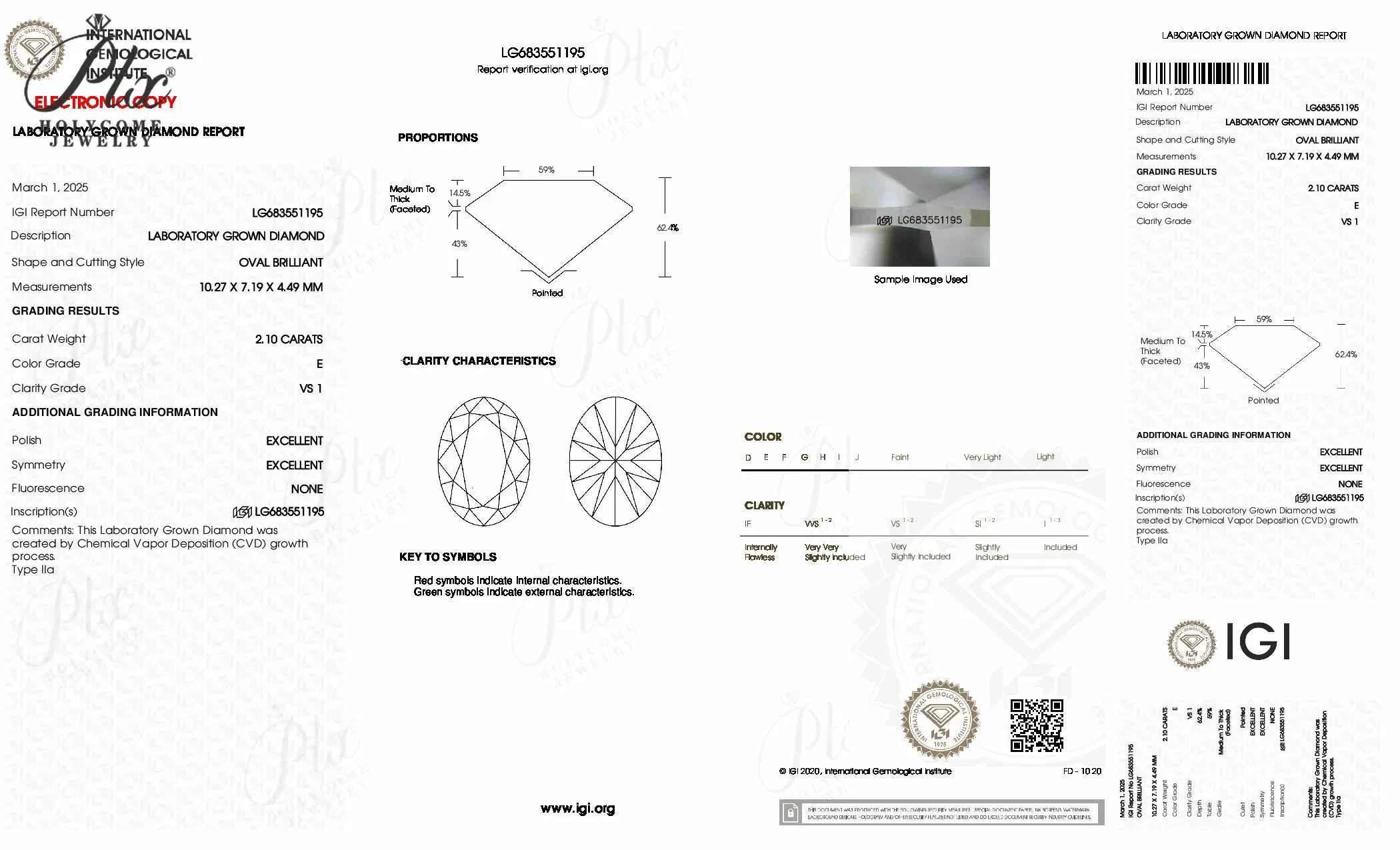
Yes. Every parcel ships with GRA or IGI documentation listing carat weight, color grade and cut. We recommend passing the certificate to your end customer for trust.
How long does sample and bulk production take?
Samples ship in 3–5 days. Bulk runs take 15–20 days under 500 pieces, and 25–30 days for custom work.