10k vs 14k Gold Wholesale Buying Guide
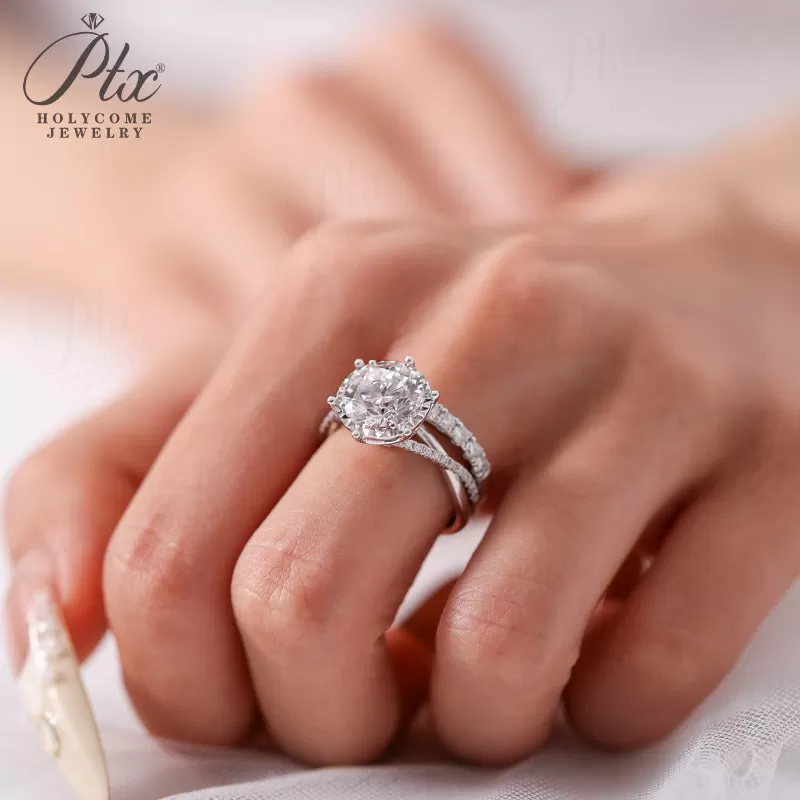
A buyer sends two quotes: a 14k gold moissanite solitaire at 62 USD FOB and the same ring in 10k at 48 USD. The stone is identical. The buyer asks which one to stock. This is the most common k-gold decision in wholesale jewelry, and it is not about which gold is better - it is about which market you sell to. 10k and 14k solve different problems. Here is the trade-off in hardness, price and perceived value, and how Wuzhou buyers split the two.
What the numbers mean
10k gold is 41.7 percent pure gold by weight; 14k is 58.5 percent. The rest is alloy - usually copper, silver and zinc - and that alloy is what makes the metal hard enough to wear. 10k is the harder of the two because more base metal dilutes the gold, so it resists scratches and holds prongs longer. 14k has a deeper, warmer gold color and is the karat customers expect in bridal. The karat definition and fineness marks are explained on karat on Wikipedia before you label product pages.
Price per gram and FOB impact
On a simple band, 14k runs about 15 to 22 percent more than 10k at factory level, driven by gold content rather than labor. On a prong-set solitaire the gap is smaller because labor and the stone dominate the ticket. For a 2-gram band, that gap is roughly 6 to 9 USD FOB; for a 5-gram pave setting it can widen to 15 USD. Compare the weight-driven pricing in 14k ring weight and price and the karat-by-market breakdown in karat choices by market before you set retail.
Wear, plating and returns
10k scratches less and its prongs stay tight longer, which is why it suits everyday rings and gifts that get worn hard. 14k shows more surface wear over years but reads as the premium choice for bridal and gifting. Neither should be rhodium-plated heavily if you sell to buyers who want yellow gold - heavy plating hides the color and wears off in months. If your market is price-driven everyday wear, 10k carries lower return rates; if it is bridal, 14k justifies a higher ticket. See how finish changes resale in k gold finish options.
Splitting a mixed gold order
A practical split is 60 percent 10k for everyday bands and stacking rings, 40 percent 14k for bridal solitaires and gifts. Avoid 9k for most export markets - it reads as thin and fails some customers' quality expectations. Confirm the stamp and the assay before shipment, the same way we cover hallmarking in stamp and mark guide. For buyers comparing gold against silver, gold versus silver for retailers sets the margin trade-off.
White gold, rose gold and market taste
The 10k versus 14k choice also interacts with color. White gold at 14k needs rhodium plating to look bright, while 10k white is naturally a little greyer and some buyers prefer it unplated. Rose gold reads warmer at 14k because more copper alloy deepens the pink; 10k rose is paler. If your market buys mainly yellow gold, buy the karat that matches the bridal ticket. If it buys mainly white, budget for rhodium on every piece and factor a yearly re-plate into your service promise. Confirm color in writing on the sample - photos lie on rose gold more than on yellow.
When you read a factory price list, separate the metal cost from the setting labor. The gold moves with the market; the labor for prongs, pave and polishing is stable. That means a 14k order on a day gold is high costs more than the same design six weeks later, while the stone and labor barely move. Lock the gold price on the PI before you pay the deposit, or the factory will re-quote on the day of shipment. This is the single most common margin leak on karat gold orders, and it is invisible until you reconcile the invoice.
Is 10k or 14k better for a moissanite solitaire?
14k for bridal and gifting tickets, 10k for price-driven everyday wear. The stone is the same; the karat changes who perceives the ring as premium.
Does 10k gold tarnish or irritate skin?
10k can irritate highly nickel-sensitive skin because alloys vary. If you ship to the EU, confirm nickel release meets the REACH limit regardless of karat.
Which karat gives better margin?
10k usually gives better turnover margin at everyday price points; 14k gives a higher absolute ticket on bridal. Buy the karat your customer already pays for, not the cheaper metal.
Can I re-plate 10k white gold at retail?
Yes, but re-plating is a service cost. For wholesale, specify whether you want rhodium-plated white gold and budget for the fact it needs refreshing every 12 to 18 months.
Ready to split a 10k and 14k order? HOLYCOME sets moissanite and plain-band jewelry in 10k and 14k from Wuzhou, with weight and gold-content detail on every quote. Tell us your ticket price point and we will recommend the karat mix that sells through.
Frequently Asked Questions
What gold purities and platings do you offer?
Solid 10K, 14K and 18K, plus gold-filled and vermeil. Plated fashion lines use 1–2 micron PVD over brass or 316L.
How do I avoid mislabeling gold products?
Label by construction: solid, gold-filled, vermeil or plated. Mislabeling plated as vermeil is the most common compliance complaint in this category.
Can you stamp karat marks?
Yes. Every solid-gold and vermeil piece is stamped with karat and maker marks, which supports customs and resale claims.
What is the MOQ for gold lines?
50 pieces per design for stock settings; custom CAD work starts at 100 pieces.