IGI vs GIA Certification: Does It Add Value to Lab Diamonds?
You are comparing two lab diamonds that look identical, but one comes with an IGI certificate and the other with a GIA certificate, and the prices differ. The question is whether the certification difference actually adds value, or whether it is just paperwork you are paying extra for. This is one of the most common questions in lab diamond buying, and the answer matters both for what you pay and for how confidently you can sell or wear the stone. We work with certified lab diamonds in Wuzhou, and we see which certificates customers trust and which they ignore. This guide breaks it down plainly.
The short version is that both IGI and GIA are reputable laboratories, and both certify lab diamonds honestly. GIA carries more brand prestige, especially in the mined diamond world, while IGI is widely used and trusted for lab diamonds. Whether the GIA premium is worth it depends on your market and your customers, not on a quality difference in the stone itself. We will show you what the certificate actually guarantees, how the two labs compare, and when to pay for which.
We will cover what a lab certificate does, how IGI and GIA differ, whether the certificate adds resale value, what retailers should stock, how certification affects price, and the myths to ignore. By the end, you should know whether to pay the GIA premium or choose a well-graded IGI stone, and stop wondering if the certificate is worth the money.
This question comes up a lot because lab diamonds sit at an intersection: they are affordable, but buyers still want reassurance that what they bought is real and fairly graded. The certificate is the answer to that reassurance, and choosing between IGI and GIA is really about how much reassurance, and which brand, you need.
What a Lab Diamond Certificate Actually Does
A certificate, from IGI or GIA, is an independent document that grades the diamond's four Cs: carat, cut, color, and clarity. It confirms what the stone is, so both buyer and seller know exactly what they are dealing with. For lab diamonds, it also confirms the stone is genuinely lab-grown, not a simulant. We explain this in IGI versus GIA. The certificate is trust on paper, and it prevents disputes over what you bought.
For a buyer, the certificate means you are not taking the seller's word for the specs. You can verify the carat and color independently. This is especially important online, where you cannot see the stone in person. A certified lab diamond is a known quantity. We cover why this matters in cost per carat. Without a certificate, you are trusting the seller, which is risky for a purchase of any value.
This is true whether you are buying a small pair of earrings or a larger stone. Even for an affordable piece, the certificate removes the guesswork and protects you from buying a simulant. It costs a little, but it removes a lot of doubt. For a purchase that should last years, that doubt is worth eliminating.
For a retailer, selling certified stones builds trust and justifies a fair price. Customers who see a reputable certificate feel confident, and they are happier. A certified stone is also easier to resell or trade up later, as we cover in lab diamond resale. The certificate is part of the product, not an optional extra. Buy certified stones, and sell them with the certificate, because it protects both sides.
How IGI and GIA Compare
IGI, the International Gemological Institute, is a large lab that certifies a huge volume of lab diamonds and is widely accepted in the lab-grown trade. It is the most common certificate you will see on lab diamond jewelry. GIA, the Gemological Institute of America, is the most prestigious name in gem grading, famous for its mined diamond grading. Both are credible, but GIA commands more brand recognition, especially among buyers who know mined diamonds. We compare them in IGI versus GIA.
In practice, both labs grade lab diamonds reliably. A well-graded IGI stone and a well-graded GIA stone, with the same stated specs, will look equivalent. The difference is brand prestige, not a quality difference in the stone. GIA charges more for its name, which can raise the price of a GIA-certified stone. IGI offers the same verification at a more accessible cost. We discuss pricing in cost per carat.
For most buyers, an IGI-certified lab diamond is excellent value, because it gives you independent verification without the GIA price premium. Pay the GIA premium mainly if your customers specifically ask for GIA, or if you are selling into a market where GIA carries weight. Otherwise, a reputable IGI stone offers the same trust at a lower cost. We discuss this in lab diamond FAQ. The certificate's job is to verify, and IGI does that well.
Does the Certificate Add Resale Value?
Here is the honest truth: the certificate helps a stone sell, but it does not make a lab diamond hold resale value. As we cover in lab diamond resale, lab diamonds resell low regardless of their certificate, because production keeps getting cheaper. The certificate makes your stone verifiable, which helps it find a buyer at all, but it does not rescue the low resale market. So do not buy a GIA certificate expecting it to hold value.
What the certificate does is make the stone trustworthy to a second buyer. A certified lab diamond is easier to resell than an uncertified one, because the buyer can confirm the specs. Keep the certificate with the stone, and you have a credible product. We discuss this in investment FAQ. The certificate is about trust and verification, not appreciation.
For retailers, this means sell certified stones, but do not promise resale gains from the certificate. The certificate justifies the sale because it proves what the stone is, not because it is an investment. We discuss honest framing in ethical lab diamonds. Customers buy certified lab diamonds for the trust and the beautiful stone, and the certificate delivers that, nothing more.
What Retailers Should Stock
For a lab diamond retailer, the practical rule is to stock certified stones, but match the lab to your market. If your customers are price-sensitive and just want a verified beautiful stone, IGI-certified stones give you a cost advantage and a confident sale. If your customers are familiar with mined diamonds and ask for GIA, offer GIA-certified options as an upgrade. We discuss this in color and clarity. You do not need only one lab; offer both and let the customer choose.
Whatever you stock, ensure the certificate matches the stone. Some bad actors mislabel specs, so verify the certificate's details and the laser inscription on the stone. We explain verification in IGI versus GIA. Selling certified stones that are honest builds trust, and trust is what keeps customers coming back. We discuss this in wholesale margins.
Educate your staff to explain the certificate simply. Customers do not need a lecture; they need to know the stone is real, graded, and verified. Explain that both IGI and GIA are reputable, and that the stone's specs match the paper. We discuss this in lab diamond FAQ. A confident, honest explanation justifies your price and removes the buyer's worry.
Myths to Ignore
One myth is that a GIA certificate makes a lab diamond worth more at resale. It does not. Lab diamonds resell low regardless of the lab, because the market price falls. The GIA name helps sell to a knowledgeable buyer, but it does not create appreciation. We explain resale in lab diamond resale. Buy the certificate for verification, not for a resale premium.
Another myth is that IGI grades lab diamonds loosely, so an IGI stone is lower quality. In fact, IGI is widely and reliably used for lab diamonds, and the grades are trustworthy when you buy from a reputable source. Do not assume the brand on the paper equals the quality of the stone; inspect the actual specs. We discuss this in color and clarity. Judge the stone, and use the certificate as verification.
A third myth is that uncertified lab diamonds are a better deal because you save the cert cost. They are not, because you cannot verify what you bought. An uncertified stone is a gamble, and disputes are common. We explain this in pricing. The small cost of certification is cheap insurance against buying a misrepresented stone. Always buy certified.
How Certification Protects the Buyer
Beyond the grade, the certificate protects you from one specific risk: buying a stone that is not what it claims. In a market with lab diamonds, simulants, and mislabeled goods, an independent certificate confirms the stone is genuinely lab-grown and states its real specs. Without that, a seller could claim a higher color or clarity than the stone has, and you would have no way to know. We explain this in IGI versus GIA. The certificate is your proof.
This protection matters most when buying online, where you cannot inspect the stone yourself. A reputable seller ships a certified stone, and the certificate travels with it. When it arrives, the specs on the paper should match the description you bought. We discuss buying online in pricing. If something does not match, the certificate gives you grounds to return it. That peace of mind is worth the small cert cost.
For a retailer, selling certified stones removes the buyer's doubt, which actually helps the sale. Customers hesitate when they cannot verify a stone, but a certificate reassures them. We discuss this in lab diamond FAQ. The certificate is a sales tool as much as a verification tool, because it lets the buyer trust the purchase. That trust shortens the decision and justifies your price.
The Laser Inscription on the Stone
Many certified lab diamonds carry a tiny laser inscription on the girdle, matching the certificate number. This is the link between the physical stone and its paper. If you ever doubt a certificate, the inscription confirms the stone is the one on the document. We explain this in IGI versus GIA. This detail is what makes the certificate trustworthy: it is tied to the actual stone, not just a paper that could belong to anything.
For buyers, this means the certificate and the stone are inseparable. Keep the certificate, and the stone's identity is documented forever. We discuss this in lab diamond resale. If you ever sell or trade the stone, the matching inscription and certificate give a buyer confidence. This is part of why certified stones are easier to resell, thin though that market is.
For retailers, the inscription lets you verify the stones you receive. When a shipment of certified lab diamonds arrives, check that the inscriptions match the certificates. This catches mismatches before they reach a customer. We discuss quality control in wholesale margins. The small effort of verifying protects your reputation, because a mismatched stone would be a serious problem.
When the GIA Premium Is Worth It
Although IGI is excellent value, there are times the GIA premium is worth paying. If your customer specifically asks for GIA, honoring that request closes the sale and builds trust. We discuss this in lab diamond FAQ. Some buyers, especially those familiar with mined diamonds, equate GIA with assurance, and offering it meets them where they are.
GIA may also matter for very high-value stones, where a more recognizable certificate adds confidence. For an expensive engagement ring, the GIA name can reassure a buyer spending a lot. We discuss this in pricing. For smaller, everyday pieces, IGI is perfectly adequate. Match the cert to the price point and the customer's expectation.
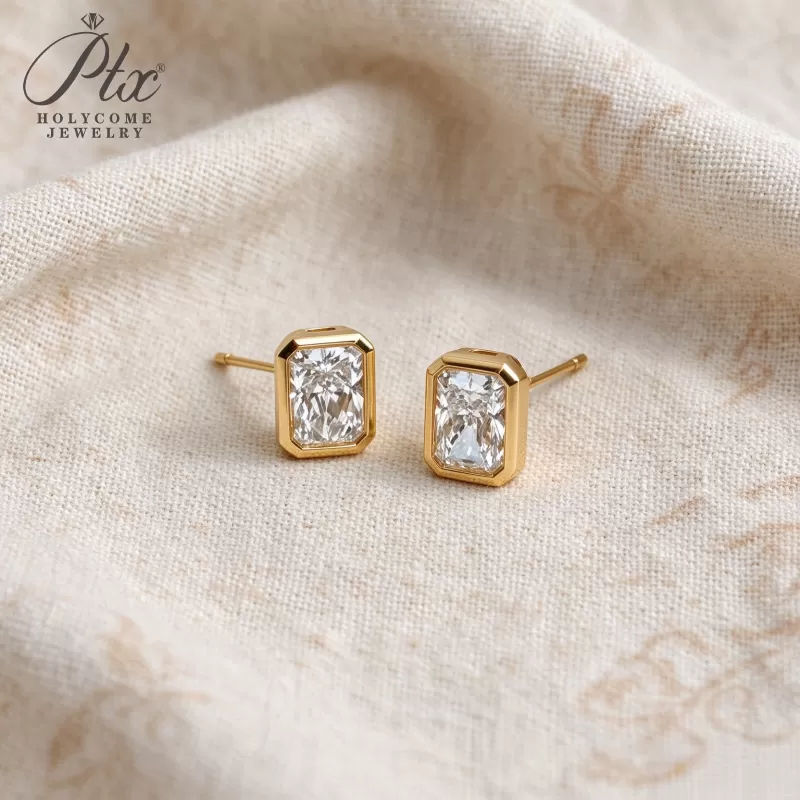
For most everyday lab diamond jewelry, the GIA premium is overkill. A well-graded IGI stone in a pendant or pair of earrings is the same diamond, at a better price. We discuss this in color and clarity. Reserve GIA for the pieces where the buyer specifically values the name, and use IGI for the rest. This lets you offer both value and prestige where each fits.
Reading the Certificate Without Overpaying
Once you have the certificate, read it for the specs, not just the lab's name. The color grade, clarity grade, and cut grade determine the stone's actual value, and those matter more than which lab printed the paper. We explain grades in color and clarity. A near-colorless, eye-clean IGI stone is a great buy, even without the GIA name. Judge the numbers, not the letterhead.
Compare two certified stones on their actual grades, and choose the better value. If an IGI stone and a GIA stone have the same specs, the cheaper one is the better buy, regardless of the lab. We discuss this in cost per carat. The certificate exists to give you these numbers; use them to compare fairly, and do not let the brand on top override the data.
This is the key insight: the certificate is a source of information, not a guarantee of investment. Use it to verify the stone and compare prices, and you buy well. We discuss the resale reality in lab diamond resale. The certificate helps you buy the right stone at the right price today, which is the value that actually matters. Buy the stone the certificate describes, at a price you love, and the cert has done its job.
Why Certification Matters More as Prices Fall
As lab diamond production gets cheaper, more sellers enter the market, and not all of them are honest. This makes the certificate more important, not less, because you need a trustworthy way to distinguish a real, well-graded lab diamond from a misrepresented one. We explain the falling-price trend in pricing. When prices are low and choices are many, the certificate is your anchor.
A buyer comparing cheap lab diamonds online may see wildly different prices for similar stones, and the certificate is how you separate the fair deal from the trap. A cheap uncertified stone might be a simulant or a misgraded stone. We discuss this in lab diamond versus moissanite. The small extra cost of a certified stone protects you from buying something that is not what it claims. In a crowded market, the cert is the safest path.
For retailers, the same logic applies to your suppliers. Buy certified stones from a factory you trust, verify the inscriptions, and you can sell confidently. We discuss this in wholesale margins. As the market grows, the retailers who sell honestly certified stones will outlast those who cut corners on verification. The certificate is a long-term asset to your reputation.
Keeping Your Certificate With the Stone
Once you own a certified lab diamond, treat the certificate as part of the piece. Store it with the jewelry, because if you ever sell, insure, or trade the stone, the certificate proves what it is. We discuss this in lab diamond resale. A certified stone without its certificate is harder to verify, so keep the paper safe. It does not take much effort, and it preserves the stone's provenance.
For a retailer, include the certificate with every sale, and tell the customer to keep it. This small step builds trust and prevents future problems. We discuss this in lab diamond FAQ. A customer who receives the certificate with their jewelry feels like they bought something legitimate, and that feeling justifies your price. The certificate is part of the experience.
Digitally, you can also record the certificate number and keep a photo, in case the paper is ever lost. This makes it easy to look up the specs later. We discuss this in care. Keeping good records means your lab diamond remains a known, verifiable piece for its whole life, which is the best value the certificate offers. It is a small habit with lasting benefit.
Frequently Asked Questions
Is GIA better than IGI for lab diamonds? GIA has more prestige, but both reliably certify lab diamonds. IGI offers the same verification at a lower cost. Choose based on your market, not on a quality difference.
Does the certificate add resale value? It helps the stone sell because it is verifiable, but it does not make a lab diamond hold value. Lab diamonds resell low regardless of the lab.
Should I buy an uncertified diamond to save money? No. You cannot verify the specs, and disputes are common. The small cert cost is cheap insurance. Always buy certified.
Which should a retailer stock? Offer IGI for price-sensitive buyers and GIA for those who ask for it. Ensure every certificate matches the stone.
Buy the Verification, Not the Prestige Premium
IGI versus GIA comes down to trust and market, not quality. Both reputable labs verify your lab diamond honestly, and the certificate's real job is to confirm what you bought. Buy a certified stone from a reputable source, keep the certificate, and pay the GIA premium only if your market specifically wants it. For most buyers, a well-graded IGI lab diamond is excellent value, because it delivers independent verification at an accessible price. The certificate protects your purchase; it does not need to be a status symbol to do its job.
Once you accept this, the choice becomes simple. Decide whether your buyer needs the GIA name, and if not, enjoy the savings of a trustworthy IGI stone. Either way, you end up with a real, verified lab diamond at a fair price, which is the value that actually matters. The certificate has done its job, and you can simply wear the stone with complete confidence for many years to come.
We supply certified lab diamond jewelry factory-direct, with clear IGI and GIA options and honest specs. Contact us directly today at service@holycome.com for fair wholesale pricing or any certification questions, and we will gladly help you buy with complete confidence every single time. Read more in IGI versus GIA, and see the category in lab grown diamonds.