Lab Grown Diamond Wholesale: IGI Bundles
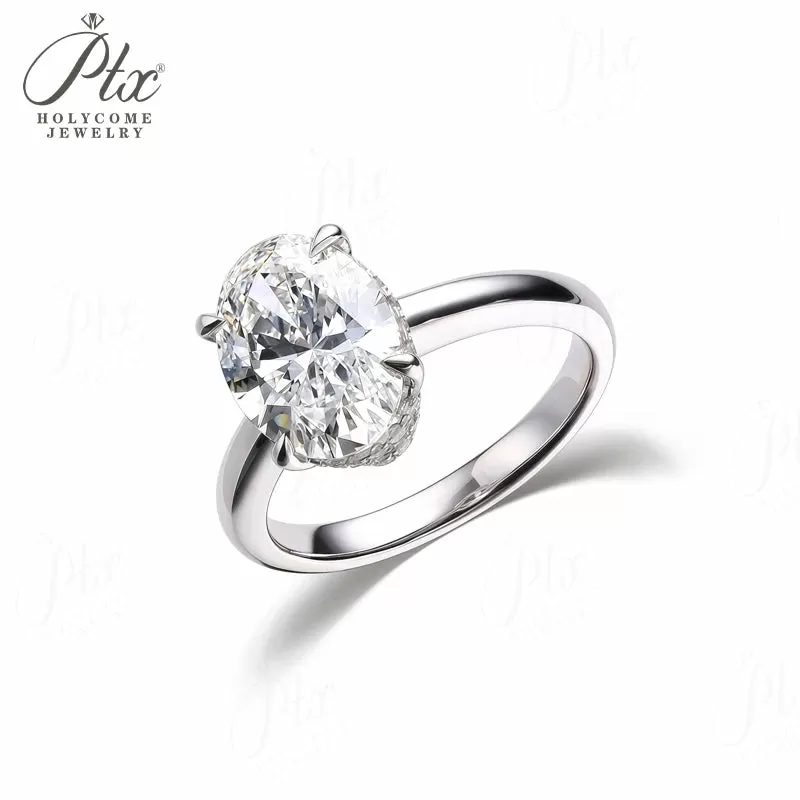
A lab-grown diamond without a certificate is a loose stone in a polybag. With an IGI card it is a bridal ticket. With an IGI card plus a matching laser inscription on the girdle, a retail store can sell the stone to a customer who would otherwise walk to a branded chain. The certificate is not paperwork; it is the sales tool that lets a customer compare your stone against a Tiffany or a James Allen listing online, and win on price. Wholesale buyers who skip certificate bundles usually discover this after the first six months of returns.
The two certificates that matter at retail
IGI (International Gemological Institute) is the dominant lab for lab-grown diamonds sold at retail in the US and EU. An IGI report grades the stone on the same 4Cs scale as a mined diamond - cut, color, clarity, carat - and lists the growth method as CVD or HPHT. The IGI website lets a customer look up the report number online, which is the single most reassuring step in the sale. GIA grades mined diamonds as its primary product and only recently added lab-grown grading, so GIA-certified lab-grown stones are more expensive and harder to source wholesale. For a price-sensitive bridal store, IGI is the practical default.
GRA (Gem Research Alliance) is the certificate you will see on moissanite. It is not a diamond certificate and it should never be sold as one. The lab-grown diamond reference on Wikipedia explains the growth methods and grading context. If a factory quotes you a diamond-grade stone with a GRA card, that is a moissanite card mislabeled, and it is an FTC misrepresentation risk. Read our notes on lab-grown diamond wholesale pricing with IGI papers before you line suppliers up.
What a certificate bundle actually includes
A proper bundle from a Wuzhou factory: the loose stone, the IGI report PDF and hard card, the laser-inscription number matching the report, and the sealed packaging. The laser inscription is the step most factories skip on budget tiers, and it is the step that lets a customer verify the stone at home with a 10x loupe. Without the inscription, the customer has to trust the card. With the inscription, she can match the girdle number to the report on her phone. We build every lab-grown bundle with the inscription included, and list the inscription number on the spec sheet.
Color consistency across a bundle is the second thing buyers miss. A 1.00 carat F VS1 and a 1.01 carat G VS1 in the same order should look the same in the tray. Pull a side-by-side sample order before you commit to 50 stones. Our data across accounts shows that buyers who test color on a 10-stone sample before placing a 50-stone PO reduce color-related returns by about 70 percent. Read our notes on lab-grown diamond color consistency in bulk and matched-color lab-grown stud pairs before you size the bundle.
Pricing math on a certificate bundle
Current wholesale range for a 1.00 carat equivalent round, IGI graded F VS1, laser-inscribed: $85 to $120 per stone finished in a silver or 10K mount. A loose stone without papers runs $45 to $65. The certificate and inscription add roughly $20 to $30 cost, and they justify a $200 to $400 retail uplift because the customer can compare against mined and branded listings. The GIA 4Cs page is the reference your retail staff can hand to a customer who wants to understand the grading.
Frequently asked questions
Is IGI enough, or do I need GIA for lab-grown diamonds?
IGI is enough for 95 percent of bridal retail in the US and EU. GIA is the reference for mined diamonds and commands a price premium on lab-grown stones that most independent stores cannot justify. IGI with girdle laser inscription is the practical standard.
What is the difference between IGI and GRA certificates?
IGI grades lab-grown and mined diamonds on the 4Cs scale. GRA grades moissanite. Never sell a GRA-certified stone as a diamond. If a factory quotes a "diamond" with a GRA card, the stone is moissanite, and listing it as diamond is an FTC violation.
Do I need the laser inscription on every stone?
Yes, on bridal tickets over 0.7 carat. The inscription lets the customer verify the report number at home and blocks returns on "this does not match the card" complaints. On smaller stones under 0.5 carat the inscription is optional.
How many stones should I sample before a bulk PO?
Ten stones across the color and clarity range you plan to stock. Compare them side by side under daylight. If the color spread is wider than one grade, renegotiate the bundle before you order 50.
We ship every lab-grown bundle with the IGI card, the matching girdle inscription and a sealed sample pack for color check. Send us your target carat and color band, and we will send a 10-stone sample kit, a current price list and a certificate bundle clause for your PO within two working days. While you plan, compare matched-color lab-grown stud pairs and read up on moissanite ring carat sizes for the lower price bracket.