Sizing a Wedding Band to Sit With an Engagement Ring
You measured your engagement ring carefully, it fits beautifully, and then the wedding band arrives and will not sit next to it. There is a gap, the band tilts, or the engagement ring suddenly feels tighter because two rings now stack on the same finger. This is one of the most common surprises in bridal jewelry, and almost nobody warns you about it until the band is already on your finger. Sizing a wedding band so that it sits flush and comfortably beside an engagement ring is its own small art, and it depends on the shape of the engagement ring, the width of both bands, and how your finger actually swells. We make bridal sets in Hengang, Longgang, Shenzhen, and we size the band to the engagement ring on purpose, because a set that does not sit together feels like a mistake on the wedding day.
The first thing to understand is that a wedding band is not sized to your finger in isolation. It is sized to your finger plus the presence of the engagement ring. When two rings sit next to each other on the same knuckle, they take up more vertical room than one ring alone, and they press against the skin from both sides. A band that is perfect on its own finger can feel snug when worn beside a solitaire, because the engagement ring's shank already occupies space. The solution is not to guess. It is to measure the finger while wearing the engagement ring, or to order the band in a shape that is cut to match the engagement ring exactly, called a contour or notched band. This guide walks through both approaches and the details most bridal checklists skip.
The stakes are higher than they look. A wedding band that does not sit flush with the engagement ring will tilt on the finger, rub against the solitaire, and over time wear a groove into the inside of one band. A band that is too tight when stacked will leave a mark and may need to be resized after the wedding, which is the last thing a new bride wants. A band that is too loose will slide around and bump the solitaire, chipping a moissanite edge over years of wear. Getting the stacked size right the first time is worth the extra measuring effort. We cover the basic finger measurement in our size guide, but the stacked fit needs a few extra steps.
Why Two Rings Take Up More Room Than One
When you wear a single ring, the band presses a narrow strip of skin. When you wear two bands side by side, they share the finger, and the combined width pushes against the knuckle and the base. A typical engagement ring shank is about two millimeters wide. A typical wedding band is two to three millimeters wide. Stacked, that is four to five millimeters of metal across the finger, plus the rounded edges of each band. That extra contact area makes the combined stack feel tighter than either ring alone, even though the inner diameter of each ring is the same.
This is why a common bridal mistake is sizing the wedding band to the bare finger, then finding it snug once the engagement ring is worn alongside it. The bare-finger size is correct for one ring but not for two. The fix is to measure the finger while the engagement ring is already on it, using a professional ring sizer that mimics the stacked width, or to add about a quarter to a half size to the band. We usually recommend a half-size larger than the engagement ring's size for a plain straight band, and an exact match for a contoured band that is cut to hug the solitaire. The contoured band is the cleaner solution, because it is shaped to the ring rather than fighting it.
There is also the matter of finger swelling. On a normal day, two rings feel fine. On a hot day, the finger swells and the stack becomes tight. Brides often notice this at the wedding itself, when stress and heat make the fingers puff up and the new band feels suddenly snug. This is why we advise sizing the wedding band to the looser side rather than the tighter side, and why we recommend trying on the engagement ring and band together at the end of a normal day, not first thing in the morning. You can read more about the daily swelling pattern in our guide to half sizes and fit, which is closely related.
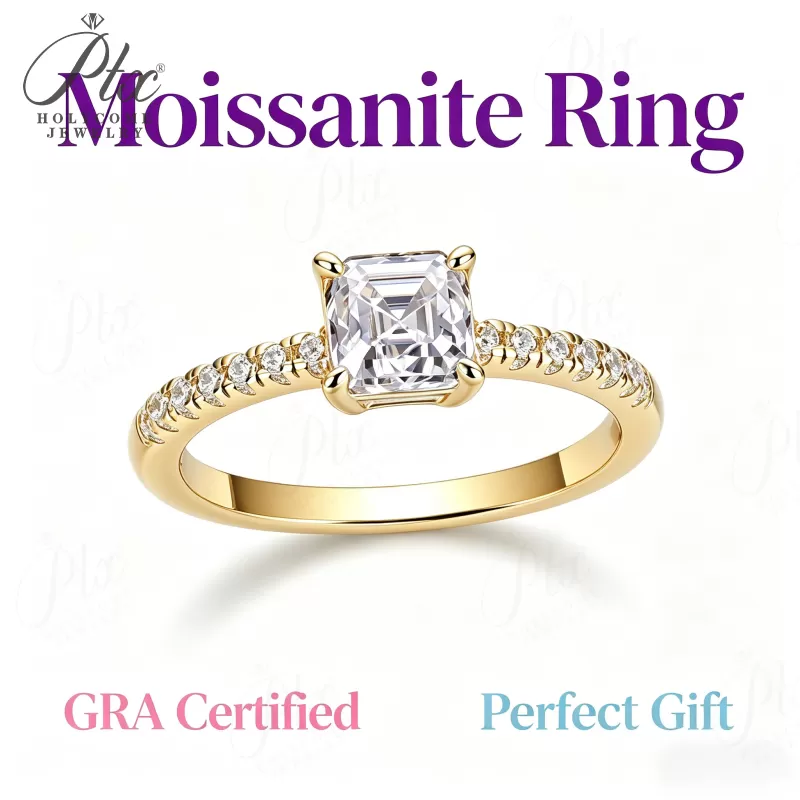
Straight Bands vs Contoured (Notched) Bands
A straight wedding band is a simple plain ring, flat on top, with no shaping. It sits next to an engagement ring with a flat shank, like a simple solitaire, reasonably well. But if the engagement ring has a raised center stone, a cathedral setting, or shanks that curve outward, the straight band will not sit flush. It will press against the upper part of the solitaire's shank and leave a gap at the bottom, tilting both rings. This gap looks untidy and causes rubbing over time.
A contoured band, also called a notched or curved band, is shaped to match the underside of the engagement ring. The inner edge of the wedding band is cut with a small curve that hugs the solitaire's shank, so the two rings sit flush against each other with no gap. A notched band goes further, cutting a small notch to clear a specific detail like a cathedral strut. Contoured and notched bands are the standard choice for engagement rings with raised settings, because they are engineered for the stack. The trade-off is that a contoured band cannot be worn alone as easily, because its inner curve is meant to sit against another ring. A straight band works alone and in a stack, but only with a flat-shank solitaire.
When you order a contoured band from us, we need the engagement ring itself, or at least a tracing of its shank profile, to cut the curve correctly. We build the band to match the solitaire exactly, so the two pieces feel like one set when they sit together. This is why bridal sets are usually bought together: the band is not a generic ring, it is the matching half of the solitaire. If you already own an engagement ring from elsewhere, send us a photo and a tracing, and we will cut the band to fit. We discuss the metal behind these sets in our article on 925 silver as the bridal metal, which is what most of our affordable bridal bands are made in.
| Band Style | Sits Flush With | Wears Alone? |
|---|---|---|
| Straight plain band | Flat-shank solitaires | Yes, easily |
| Contoured / curved band | Raised cathedral solitaires | Okay, curved inner edge |
| Notched band | Detailed cathedral settings | Less comfortably |
| Eternity band | Low-set solitaires | Yes, as a standalone |
Sizing the Band When the Engagement Ring Already Fits
If your engagement ring already fits perfectly, the wedding band should be sized to the same finger, but with the engagement ring on. The cleanest way is to go to a jeweler with a set of plastic ring sizers and put the sizer on over your existing engagement ring, so you feel the true stacked width. If you are measuring at home, wear the engagement ring and wrap string around the finger over the knuckle, measuring the way the full stack will feel. Then choose the band size that comes out a touch looser than the bare-finger measurement. In practice, for a straight band this usually means the band is a quarter to a half size larger than the engagement ring.
For a contoured band, the size can match the engagement ring exactly, because the curved inner edge is designed to sit against the solitaire and the two rings effectively share the finger space. The contour removes the gap that would otherwise cause the tilt, and the combined width is accounted for in the cut. This is why we prefer contoured bands for raised solitaires: they fit the finger and the ring simultaneously. If you order a contoured band, tell us the engagement ring size and we will size the band to match, rather than to a larger bare finger.
If the engagement ring is not with you when you order the band, be honest about that. A surprise wedding band is hard to size without the solitaire, because the contour depends on the solitaire's shape. The safer surprise is a straight band in a slightly larger size, which can be resized later if needed, rather than a contoured band guessed from a photo. We recommend that for surprise gifting. For a couple choosing together, measure with the rings on and order the contoured band to match. You can read more about the surprise-gift approach in our home measuring guide, and about resizing limits in our guide to half sizes.
Width and Profile: How Thick Should the Stack Be
The width of the wedding band changes how it sits with the engagement ring. A thin two-millimeter band sits neatly beside a solitaire and adds little to the finger load. A broad four-millimeter band looks bold but takes up more room and feels tighter in the stack. The most flattering bridal stack is usually a band narrower than the engagement ring's shank, so the solitaire remains the focus and the band does not compete. A 2.5 to 3 millimeter band pairs well with a 2 millimeter solitaire shank, and the combined stack looks balanced.
The profile of the band matters too. A comfort-fit band with a rounded inner edge glides over the knuckle and feels slightly looser, which is helpful in a stack where two rings share the finger. A flat inner band feels snug in a stack, because the flat edges press against the skin. For bridal sets, we almost always use comfort-fit inner bands, because they are more comfortable when stacked. The outer profile can be flat, dome, or angled, but the inner edge should be rounded. This is a small detail that makes a real difference on the finger after a long day of wearing both rings.
If you want a three-ring stack, with an engagement ring, a wedding band, and an eternity band added later, the width planning matters even more. Three bands on one finger take up serious room, and the finger will feel the load. We recommend narrower bands in a three-ring stack, two to two and a half millimeters each, so the total stack stays slim. We also recommend that the eternity band, added on a later anniversary, be sized to the stacked finger rather than the bare finger, so it fits alongside the other two. We discuss the longevity of the stones in these stacks in our article on moissanite on the hand, and the metal in 925 silver.
What Happens If the Band Is Too Tight in the Stack
If the wedding band feels snug once the engagement ring is worn beside it, do not immediately panic. First, check whether it is a temporary swelling. Take the rings off, wait ten minutes, and try them again in a cooler room. Fingers often swell slightly when you are warm or nervous, and the stack that felt tight at the jewelry store feels fine by evening. If after a cool, calm re-check the band still leaves a mark or is hard to remove, it is genuinely too small and should be exchanged for a half size larger before the wedding.
A band that is too tight in the stack causes two problems over time. It leaves a mark and can irritate the skin, especially in heat. Worse, a tight band that cannot expand with the finger can deform over years, because the constant pressure bends the shank. We see this in repair returns: bands sized too small for the stack arrive bent, because they were worn tight for years and the metal gave way. The fix is a half size up. A band that is a little loose in the stack is safe; a band that is tight will eventually deform. This is the same principle we discuss in our guide to half sizes, where the larger size is the safer mistake.
If the band is too loose in the stack, the problem is different. A loose band slides around and bumps the engagement ring, which can chip the moissanite edge over years of rubbing. The fix here is a sizing guard on the inside of the band, or a resize down by a half size. A guard is the reversible first step, and it works well for a band that is loose by up to a half size. We tell brides to keep a small guard in the wedding-day emergency kit, because fingers can behave unexpectedly on a hot day, and a guard solves a loose band in seconds without a jeweler visit.
Matching the Metal and Finish for a Coherent Set
Sizing the band is not only about the fit. The band also needs to match the engagement ring in metal tone and finish, or the stack will look mismatched. If the engagement ring is in rhodium-plated white 925 silver, the band should be the same. If the solitaire is in warm rose gold vermeil, the band should match. A white band next to a rose solitaire looks like an afterthought, even if the size is perfect. We build bridal sets in matching tones specifically so the stack looks intentional, and we discuss plating consistency in our article on rhodium plating on silver.
The finish should also match. A high-polish solitaire pairs with a high-polish band. A matte or brushed solitaire pairs with a brushed band. Mixing a polished solitaire with a hammered band is a deliberate style choice, but it should be deliberate, not accidental. When you order a matching band from us, we use the same plating bath and the same finish process as the solitaire, so the two rings age at the same rate. This matters because rhodium plating wears over years, and if the two rings were plated separately they may not match as they age. Matching them from the start keeps the set coherent for longer.
If you already own an engagement ring and are adding a band later, bring a photo or the ring itself so we can match the tone and finish. White silver can vary slightly between suppliers, and a band that looks close in the showroom may look off next to your solitaire. We will plate the band to match your existing ring, and we will cut the contour to fit. The result is a stack that looks like it was always meant to be together, rather than two rings bought separately and forced to share a finger. That coherence is part of what makes a bridal set feel special on the day.
Ordering a Bridal Set Together vs Separately
The easiest way to get a wedding band that fits the engagement ring perfectly is to order them together. When we build a bridal set, we cut the band to the solitaire's shank on the same bench, size both rings to the same finger measurement, and plate them in the same batch. The two pieces arrive matching in tone, finish, and size, and they sit flush out of the box. This removes almost all of the guesswork. The only measurement we need from you is the finger size, taken carefully at midday, and the choice of band shape, straight or contoured.
If you already own an engagement ring and are adding a band later, the process is a little more involved but still works. Send us the engagement ring size, a tracing or photo of the shank profile, and the metal tone. We will cut a contoured band to match and size it to the stacked finger. The band may need one small adjustment after it arrives, because every finger and every solitaire sits a little differently, but it will be close. We include a free resize adjustment on bridal bands within the first month, because we know the stacked fit is hard to judge from a photo. You can read about our wholesale and direct order process in our value guides.
The bottom line is that a wedding band is not a standalone ring. It is the companion to the engagement ring, and it has to be sized and shaped to share that finger. Measure with the engagement ring on, choose a contoured band for a raised solitaire, match the metal tone and finish, and size slightly looser rather than tighter. Do that, and the stack will sit flush, feel comfortable through the long wedding day, and stay that way for years of everyday wear. A well-fitted bridal set is one of those small details that is easy to overlook until you see it done right, and then you wonder how anyone wears rings any other way.
Frequently Asked Questions
Should my wedding band be the same size as my engagement ring? For a contoured band, yes. For a straight band, size about a half size larger, because two rings share the finger.
Why is my wedding band tight next to my engagement ring? Two bands take up more finger room than one. Size the band with the engagement ring on, or choose a contoured band cut to match.
Can I wear a straight band with a cathedral engagement ring? It will leave a gap and tilt. A contoured or notched band is the better choice for a raised cathedral setting.
What if my fingers swell on the wedding day? Size the band slightly loose, and keep a sizing guard handy. Heat and nerves make fingers swell, and a flexible band is safer than a tight one.
Can I add an eternity band later? Yes, but size it to the already-stacked finger, not the bare finger, so it fits alongside the solitaire and wedding band.
A wedding band has to be sized to the finger it shares with the engagement ring, not to the bare finger. Measure with the solitaire on, choose a contoured band for a raised setting, match the metal tone and finish, and size a touch looser for hot days and swelling. Get those details right and the two rings sit flush, wear comfortably through the long day, and age together as a matched set.
We are a bridal jewelry manufacturer in Hengang, Longgang, Shenzhen, building 925 silver and moissanite engagement sets and matching wedding bands in half sizes. If you want a contoured band cut to your existing solitaire, or our bridal set price list, email service@holycome.com and we will send photos, videos, and wholesale pricing. You can also browse our size guide library and read more about how 925 silver bands are sized and made.