Buying Rings Factory Direct Value - HOLYCOME
A $600 ring in a boutique and a $150 ring on a factory site can be the same silver, the same stone, and the same setting. The difference is not the ring. It is the chain of businesses between the maker and your hand. This guide pulls that chain apart and shows where ring markup actually lives, why factory-direct buying cuts it, what to watch out for, and how small retailers and individual buyers can both use direct sourcing to get more ring for their money. As a Wuzhou workshop that casts and sets rings daily, we see exactly how a ring's price grows as it moves from us to a retail shelf, and this is the honest breakdown.
The goal is not to bash boutiques. They offer service, try-on, and immediacy. The goal is to show you that if you know what you want, much of what you pay for at retail is not the ring itself. Once you see the math, choosing where to buy becomes much clearer.
How a Ring's Price Grows From Maker to Shelf
Follow a simple silver moissanite ring. The factory prices it at roughly the cost of its silver, the stone, and the labor to set and finish it, plus a modest margin. Say that comes to forty dollars. A wholesaler buys it and marks it up, say to eighty. A boutique buys it and, covering rent, staff, display, and its own margin, sells it to you for two hundred. The ring never changed. What changed is the number of businesses that each took a cut. You are not paying for more silver or a better stone at each step. You are paying for each layer's overhead, and once you see this chain clearly, the urge to pay boutique prices for an everyday ring usually fades.
This is the core of the value question. When you buy factory direct, you remove the wholesaler and the boutique. You still pay the factory a fair price for the silver, the stone, and the labor. What you skip is the cumulative markup. That is why a ring that costs two hundred in a store can cost fifty-five direct. The physical piece is comparable. The experience differs, but the substance is the same. Understanding this lets you decide whether the retail experience is worth four times the price, or whether you would rather pay for the ring itself.
The reason this matters more for rings than for other purchases is that rings are technical. You can compare the setting's metal, the stone's cut, and the weight yourself once you know what to look for. You do not need a salesperson to tell you a ring is good if you can judge the stamp, the weight, and the finish. That makes rings ideal for direct buying. The thing you are paying for, the physical ring, travels well in photos and is easy to compare. The middle layers add cost without adding much information you cannot get yourself. We break the supply-side pricing in Wuzhou cost breakdown, which shows how the base numbers build.
What Factory Direct Actually Buys You
Buying direct gives you three things. First, a lower price for the same physical ring, because the middlemen are removed. Second, access to the maker's knowledge, because you can ask directly about the alloy, the stone, and the setting rather than relying on a retail salesperson who may not know. Third, flexibility, because factories can offer designs, finishes, and small customizations that a reseller cannot. For a retailer, this means better margins and a distinctive product. For an individual, it means a better ring at a better price, bought from someone who actually made it, who stands behind it, and who can answer any question about it honestly.
The lower price is the headline benefit, but the access is underrated. When you buy from a factory, you can ask what the band is made of, how thick the plating is, how the stone is secured, and how to care for it. The maker knows these answers because they build the piece. A retail salesperson often cannot. That transparency makes the purchase more satisfying, because you understand exactly what you own. You stop buying blind. We discuss the broader direct-buying logic in buying silver factory direct, and rings are one of the clearest cases for it.
For retailers, direct sourcing is transformative. A boutique that buys from a wholesaler pays eighty for a ring it can sell for one-sixty, a thin margin after rent. A boutique that buys direct pays fifty-five for the same ring and can sell it for one-twenty, earning a stronger margin while still undercutting competitors. That margin is what lets a small store survive. Direct sourcing also lets a retailer private-label or customize, building a brand rather than reselling generic pieces. We see our most successful retail customers use direct sourcing not just for price, but to create a collection that is truly theirs.
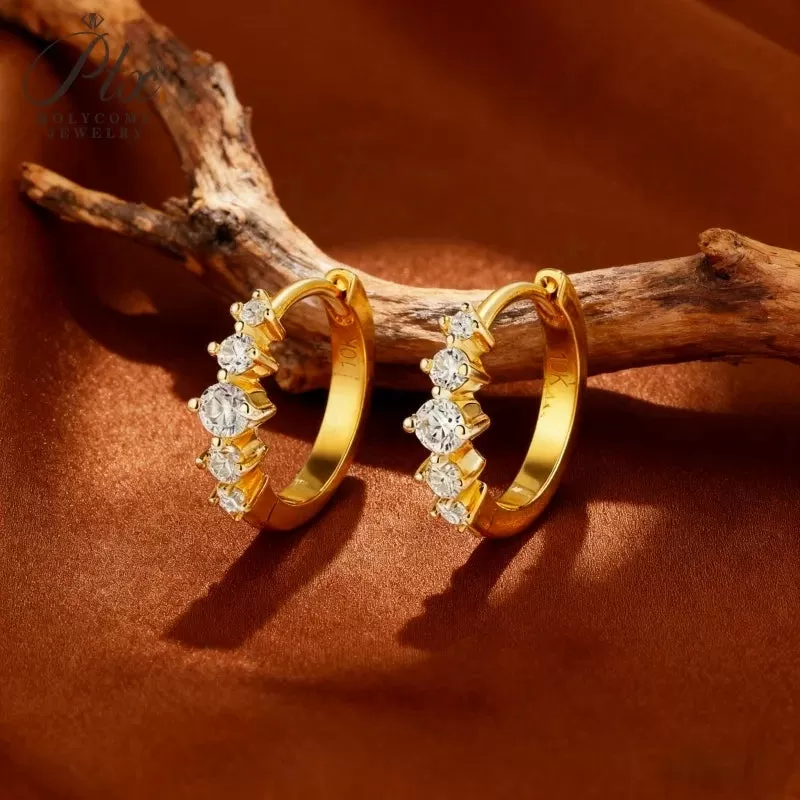
What to Watch Out For When Buying Direct
Direct sourcing has real risks, and recognizing them keeps the value intact. The first is quality inconsistency. Without a boutique inspecting every ring, you rely on the factory's own quality control. This is why choosing a reputable maker matters. A serious factory photographs, inspects, and guarantees its rings. A low-end source may skip plating thickness or prong security to hit a price. Ask for clear product photos, honest stamping, and a return policy before ordering. The second risk is minimum order quantities, which matter more to businesses than to individuals; most factories also run a retail storefront for single buyers.
For individual buyers, the best path is simply to order one ring and inspect it against expectations. Because the cost is low, this small test is reasonable, and it answers every doubt at once. If the ring arrives well-finished, properly stamped, and comfortable, you have found a reliable source. If it disappoints, you have lost only a modest amount and learned the seller's quality level. That low-risk trial is how most direct-buy relationships begin, and it is far wiser than committing to a large order based only on a website.
The third risk is hidden shipping and import costs. International shipping, customs, and duties can erode the savings if you ignore them. For a single ring, compare the total landed cost, not just the sticker price. For a wholesale order, the per-unit savings usually overwhelm shipping. Reputable factories quote shipping transparently up front. A seller that hides delivery until checkout is warning you off. The value of direct buying holds only when you compare what you actually pay at your door, so always factor in delivery.
The fourth risk is sizing. Buying a ring online means you must know your size, and a ring that does not fit returns. This is easily solved by measuring properly before ordering, using a reputable sizing guide. We cover that in measuring your ring size, and getting it right the first time removes the most common friction of online ring buying. With sizing sorted, quality confirmed, and shipping included in the price, direct buying is as safe as retail, and far cheaper.
The Myth That Cheaper Means Worse
The biggest barrier to direct buying is the assumption that a lower price must mean a worse ring. But in rings, price reflects the supply chain far more than the metal. Two identical rings, same silver, same stone, same setting, can carry wildly different prices depending on how many businesses touched them. The cheaper one is not inferior. It is sold by fewer layers. This does not mean every low price is a good deal; there genuinely are thin, poorly made rings. It means price alone is not the quality signal people think it is.
The way to build confidence is to judge the ring itself, not the price. Ask about the stamp, weigh the ring, examine the finish, and compare the stone's cut. A well-run factory can sell a high-quality ring cheaply because its production is efficient and direct. A boutique selling the same ring at triple the price is not selling better silver. It is selling its overhead. Once you can separate the two, direct buying stops feeling risky and starts feeling obvious. The ring you hold in your hand after delivery is the same one a boutique would have sold you for much more.
This is why so many buyers who try direct buying never return to retail. They order one modest ring, compare it to a boutique piece they own, and find the quality gap they expected never appears. The direct ring is solid, stamped, well-finished, and costs a fraction. That hands-on test is worth more than any argument. It turns the abstract idea of factory-direct value into a concrete ring you can feel. If you want to see this for yourself, start with one modest solid silver ring, and judge it against what you already own.
Building a Direct Relationship Over Time
The deepest value of buying direct appears over years, not in one order. Once you find a reliable maker, you build a relationship. They learn your taste, your sizes, and your quality expectations, and they can notify you of new designs, replate old rings, or help with small custom requests. For a retailer, this collaboration is how a brand is built. For an individual, it means having a trusted source for future rings, repairs, and gifts. That ongoing relationship is something a boutique chain cannot offer, because you are one of thousands of customers there.
For small retailers, this relationship is transformative. A boutique that works steadily with one good factory can private-label pieces, refine designs, and develop a ring line competitors cannot easily copy. That used to require huge capital; now an agile factory makes it possible. We see this repeatedly. We also cover the business side in OEM and custom production, and rings work the same way. Start with a small mixed sample, inspect the quality, test it with your customers, and let the relationship grow. The factories that welcome small test orders are usually the reliable ones.
Why a Wuzhou Factory in Particular Offers Value
The geography of ring production matters, and Wuzhou in China has earned its place as a moissanite and silver manufacturing hub. Concentrated workshops here benefit from local supply chains, skilled setters, and efficient production runs, which lower the cost of casting bands, setting stones, and applying plating. That efficiency flows into the per-unit price, which is why factory-direct rings from this region consistently undercut Western retail for the same physical quality. You are not getting a lesser ring. You are getting a ring made where making it is efficient, by artisans who do it every day.
This is not about cutting corners. The same 925 alloy, the same rhodium finish, and the same moissanite stones are used, stamped to the same standard. The difference is that labor and overhead cost less in a specialized production city than in a luxury shopping district. A skilled polisher in Wuzhou costs far less than a sales associate in a high-rent boutique, and that difference passes through when you buy direct. We cover the regional economics in Wuzhou hub advantages, but for a buyer the takeaway is simple: the price reflects where the ring is efficiently made, not a compromise in quality.
Scale amplifies the advantage. A workshop producing thousands of rings per week buys silver, stones, and packaging in bulk, negotiates better input prices, and spreads setup costs across large runs. A small boutique cannot do any of that. When you buy direct, you benefit from that production scale. This is why a factory can offer a fifty-dollar ring that a boutique sells for two hundred. It is not a trick. It is the arithmetic of high-volume, specialized production. Recognizing this lets you buy with confidence rather than suspicion.
How to Talk to a Factory Without Getting Lost
First-time direct buyers sometimes feel unsure how to approach a factory, but the process is simpler than it sounds. Start by browsing the maker's online catalog, because most ring factories now sell directly through a storefront. Pick the ring you want, confirm its metal, stamp, and stone details, and ask about sizing and shipping before ordering. You do not need to negotiate a custom wholesale deal to get good value; the published direct prices already reflect the factory cost structure. Treat it like buying from any reputable online seller, with the added benefit that behind the store is the actual maker.
If you are a retailer, the conversation is a little different. Ask about minimum order quantities, mixed styles, private labeling, and sample orders. A good factory will send a small sample so you can inspect quality before committing. Build the relationship gradually rather than placing a huge first order. The factories that welcome small test orders are confident in their quality and easy to work with. The ones that pressure you into large commitments up front are the ones to avoid. Clear, patient communication is the norm with professional makers, not high-pressure sales.
For everyone, the key is to ask the substance questions: what alloy, what plating thickness, what stone, what weight, what return policy. A maker who answers these plainly is worth buying from. A maker who gives vague marketing language in response is telling you something. Direct sourcing rewards curiosity, because the maker actually knows the answers. Once you have those details, you can buy with the same confidence as an expert, because you are getting information straight from the source rather than through a salesperson's script.
When Retail Still Wins
Factory direct is not for every ring, and being honest about that keeps the advice useful. If you want to try rings on in person, compare widths against your finger, or walk out with the piece today, a boutique or local jeweler is the better experience. The service of seeing and feeling a ring before you buy is real, and some people happily pay for it. If you are uncertain about your size, or you want the immediate gratification of an in-person purchase, retail is fine. The point is not that retail is bad. It is that retail's price includes that experience, and you should decide whether you want it.
Retail also wins for emergency or sentimental purchases. If you need a ring this weekend for a proposal, waiting for international shipping defeats the purpose. For those moments, local jewelry exists for a reason. What factory direct replaces is the planned, considered purchase, where you have time to choose, measure, and wait for delivery. If you know what you want and you are not rushed, direct sourcing saves you a great deal. If you need immediacy, retail earns its markup. There is no shame in choosing either once you understand what you are paying for.
The healthiest approach is to use both. Build your everyday rings and your collection through direct sourcing, where the savings are large and the fit is known. Reserve retail for the moment you truly want in-person service or immediacy. This way you never overpay for rings you could have bought smarter, and you still get the pleasure of a boutique experience when it matters. Most experienced buyers land in exactly this balance. They are not anti-retail. They simply refuse to pay boutique prices when they know the ring well and can wait for delivery.
You will also notice a difference in how direct-buy rings feel over time. Because you paid a fair price for solid silver and real craftsmanship, you are inclined to care for them rather than replace them. You polish, store, and enjoy them, and they last for years. Rings bought at retail markup, by contrast, sometimes carry a faint resentment: you paid too much, so you never quite love them. The psychological value of paying a fair price for something well made should not be underestimated. It changes your relationship with the piece. Direct buying does not just save money. It leaves you feeling that you got an honest deal, which makes the ring more enjoyable to wear every single day.
Frequently Asked Questions
Is a factory-direct ring lower quality? Not from a reputable maker. The same stamped silver and set stone is often sold to retailers; the price difference is the markup between maker and you.
Can an individual buy direct? Yes, usually through the factory's online storefront. Large wholesale orders with MOQs are for businesses, but most makers also sell single rings retail-direct.
Are there hidden shipping costs? Possibly. Factor in international shipping and any duties when comparing total cost. For small orders, compare the landed total; for large wholesale orders, savings usually beat shipping.
How do I know a direct factory is reliable? Look for clear photos, honest stamping, a stated return policy, and willingness to answer questions. Avoid sellers that pressure you into large upfront orders.
The Bottom Line
Factory-direct rings cost less because they remove the wholesaler and boutique markup, not because the ring is cheaper to make. The same solid silver and well-set stone costs a fraction direct from a specialized workshop. Buyers and small retailers can capture that value by choosing reputable makers, matching the channel to their order size, and comparing total landed cost. Start with one ring, judge it against retail, and the math usually speaks for itself. You will quickly learn to trust what you see in the photos rather than what a price tag wants you to believe.
If you want to see factory-direct ring pricing on solid, stamped 925, our Wuzhou team can walk you through options. Reach us at service@holycome.com, and browse our 925 silver collection to see the value you get when you buy from the maker rather than the middleman. Every ring we list shows its metal, weight, stone, and finish, so you buy with full knowledge of what it is made of. Start with one piece, compare it to any boutique ring you own, and let the difference in price and quality settle the question for you.