K-Gold Plating vs Solid Gold Wholesale
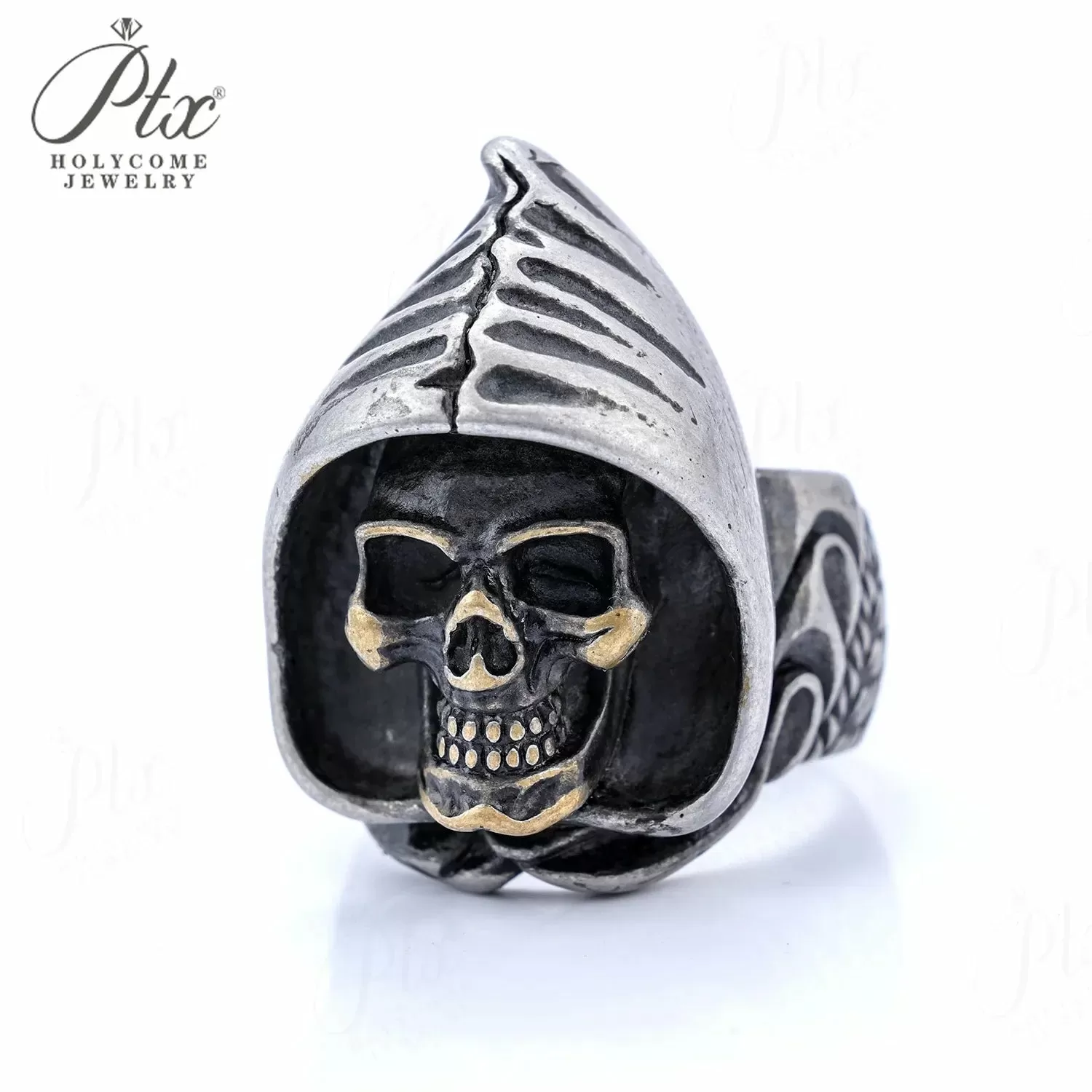
A buyer sees two listings for the same pendant: one at 3.20 USD, one at 28 USD. Both look gold. The difference is plating versus solid gold, and getting it wrong means either a tarnished customer complaint or overpaying for metal that your market will not support. Wholesale K-gold buying is a choice between a surface finish and a solid alloy, and each choice has a market that fits it.
What plated actually means at the factory
Plated gold jewelry starts from a base of sterling silver, brass, or copper, then electroplates a thin layer of gold on top. Gold vermeil, the highest plated grade, requires a sterling silver base and a minimum gold thickness that US FTC jewelry guides treat strictly; the federal labeling rules are published in 16 CFR Part 23 on eCFR. Standard gold plating may be only 0.5 to 1 micron thick and wears off in weeks against skin, perfume and sweat. Gold-filled (a thicker mechanical layer) sits between plating and solid but is a separate claim. If your setting is plated rather than solid, see the wholesale finish options so the listing wording matches the construction.
Solid 10k versus 14k weight and wear
Solid K-gold is alloyed gold mixed with copper, silver or zinc. 10k is 41.7 percent gold, harder and cheaper; 14k is 58.5 percent gold, the balance between durability and color. A solid 14k ring weighs 1.8 to 3.5 grams and carries a metal cost that moves with gold daily. A plated equivalent weighs the same but the gold layer is negligible. Buyers who sell to price-sensitive urban markets often start plated; buyers who sell engagement or bridal tiers step up to solid. Compare the tiers in the 10k vs 14k wholesale price note and the deeper the buyer guide before setting your margin.
Which market buys which
Plated (vermeil or gold-plated brass) fits daily-wear fashion, stackable rings, and promotional gift lines where the customer expects to replace the piece within a year. Solid 10k/14k fits bridal, sentimental pieces, and markets where the customer asks for a stamp and a hallmark. Choose the alloy against your customer profile in the karat choices by market, and see how 18k compares in the 14k vs 18k buying note if you are lifting the tier.
Read the price-per-gram signal
One quick check separates plated from solid: price per gram. A 14k ring weighing 2 grams has a metal cost that follows the daily gold fix, so its wholesale price moves week to week. A plated brass ring of the same visual weight is priced almost independently of gold. When a supplier quotes a fixed price that never changes, the piece is almost certainly plated or gold-filled, not solid. Asking for the weight and the karat stamp on a sample removes the guesswork. A genuine solid 10k or 14k piece should carry a stamp and a weight you can measure on a small jewelry scale.
Wear testing is the second check. Rub the back of the piece with a soft cloth and a little common silver polish. Plating moves; solid gold does not. For a buyer judging a new supplier, request three samples and wear one for two weeks under normal conditions before approving a bulk order. The 16 CFR labeling rules also mean you must not print gold on a plated piece that is not vermeil, and you must not print karat on a plated piece at all. Keeping the listing wording honest saves disputes with both the marketplace and the end customer. For a new buyer, start with one small plated line to test the market, then move the best-selling design into a solid 10k or 14k version once demand is proven; this staged approach limits the metal-cost risk while you learn which designs actually sell.
What is the difference between gold plated and vermeil?
Vermeil uses a sterling silver base with a thicker gold layer. Standard plating can use brass or copper with a very thin gold layer. The labeling rules in 16 CFR Part 23 govern which term you may print.
How long does gold plating last on a wholesale piece?
Thin plating (under 1 micron) typically wears in 2 to 6 months of daily wear. A thicker 2 to 3 micron flash lasts 12 to 18 months. Solid gold does not wear through.
Should a bridal pendant be plated or solid?
Solid 10k or 14k. Bridal customers expect a stamp, resale value and long wear; plating on a bridal piece generates returns.
Does gold weight change the wholesale price daily?
Yes, for solid K-gold. Factories quote a base price plus a gold surcharge that follows the daily metal fix. Plated pieces do not carry this surcharge.
Deciding between plated and solid K-gold for your line? Tell us your target retail price point and market, and we will quote both a vermeil/plated build and a solid 10k/14k build side by side.
Frequently Asked Questions
What gold purities and platings do you offer?
Solid 10K, 14K and 18K, plus gold-filled and vermeil. Plated fashion lines use 1–2 micron PVD over brass or 316L.
How do I avoid mislabeling gold products?
Label by construction: solid, gold-filled, vermeil or plated. Mislabeling plated as vermeil is the most common compliance complaint in this category.
Can you stamp karat marks?
Yes. Every solid-gold and vermeil piece is stamped with karat and maker marks, which supports customs and resale claims.
What is the MOQ for gold lines?
50 pieces per design for stock settings; custom CAD work starts at 100 pieces.